Old Bitcoin Wallets Move $40 Million After Years of Silence
Galaxy Research saw 553.59 BTC move from six old wallets; five transfers went to unknown addresses, and one went to Boerse Stuttgart Digital. A New York lawsuit over allegedly abandoned Bitcoin is also in play.
Key Takeaways
- Six old Bitcoin wallets moved a combined 553.59 BTC between August 16 and 26, worth about $40 million.
- Most of the coins went to addresses with no known exchange link; one wallet sent 40 BTC to Boerse Stuttgart Digital.
- Galaxy Research is seeing less activity from dormant Bitcoin, while not every transfer points to a sale.
Bitcoin wallets that had been quiet for more than ten years are moving again. Between August 16 and 26, six wallets that were last active between 2011 and 2014 moved a combined 553.59 BTC, worth about $40 million (€34.4 million), according to data from Galaxy Research. One of those wallets had not moved a single coin for more than 15 years.
These moves are getting attention fast because old Bitcoin is often seen as a sign that early holders are adjusting their positions. At the same time, a transaction on the blockchain does not automatically mean a sale happened. Coins can also be moved to a new wallet, a custodian, or another storage solution.
Activity Remains Low
What stands out is that broader dormant Bitcoin activity has actually cooled off. According to Alex Thorn, head of research at Galaxy Digital, the amount of dormant Bitcoin moving onchain fell in the second quarter to its lowest level since the third quarter of 2022. Galaxy counts a coin as dormant if it has sat at the same address for at least a year.
That follows two unusually busy years. In 2024 and 2025, old Bitcoin moved at levels only matched during the 2017 bull market. Galaxy previously called that period a major distribution and expects 2026 to be on track for less than half of last year's movement.
Why Old Coins Move
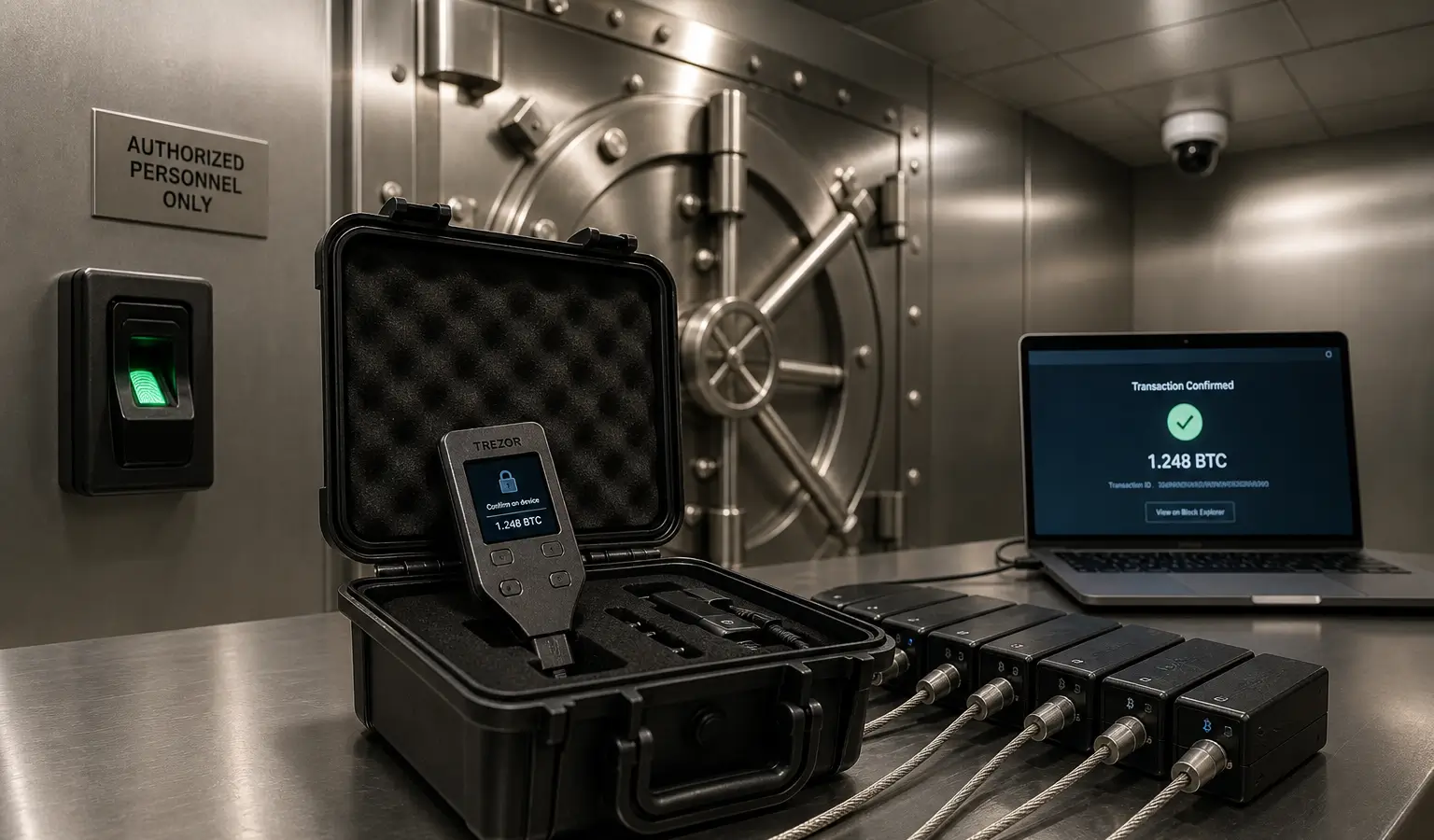
Not every transfer points to selling. Of the six wallets, five sent their BTC to addresses with no known link to a crypto exchange. The sixth moved 40 BTC to Boerse Stuttgart Digital, a German crypto custody and trading provider.
A legal case in New York is also involved with two wallets. There, an anonymous plaintiff, Noah Doe, is trying to gain control of Bitcoin from 39,069 dormant addresses through the abandoned property law. The plaintiffs sent small amounts to those addresses, along with onchain legal notices, to argue that the coins can be treated as abandoned if no one proves ownership.
Security is also a factor. After the vulnerability in certain Coldcard hardware wallets in July, users moved coins en masse to new wallets or regulated storage, according to earlier onchain data. Incidents like these show that old wallets do not only move because of selling pressure, but also because of caution and restructuring.
Why This Matters for Bitcoin Holders
For European crypto readers, this matters mainly because old wallet movements often get extra attention in a market that is sensitive to signals from large holders. These transfers can fuel the debate around custody, security, and who still has access to early Bitcoin. At the same time, Galaxy's data shows that not every eye-catching transaction fits into a broader pattern of mass selling.
The moves also fit into a broader trend where major players are expanding their storage and trading infrastructure. For example, Citi announced Bitcoin custody for institutional clients, showing that custody and access to BTC are increasingly handled through regulated firms.