
Polymarket Seeks U.S. Approval for Margin Trading
The filing with the NFA and CFTC is part of Polymarket’s effort to return to the U.S., where margin trading on prediction markets remains politically sensitive.
Key Takeaways
- Polymarket has filed in the US to offer margin trading to American users.
- That requires approval from the National Futures Association and the CFTC.
- The regulator and some senators are debating risks, manipulation, and the regulation of prediction markets.
Polymarket has taken a new step toward reentering the American market by filing to offer margin trading to users there. If regulators approve the necessary rules, traders would be able to open positions with less money upfront.
License Application in the US
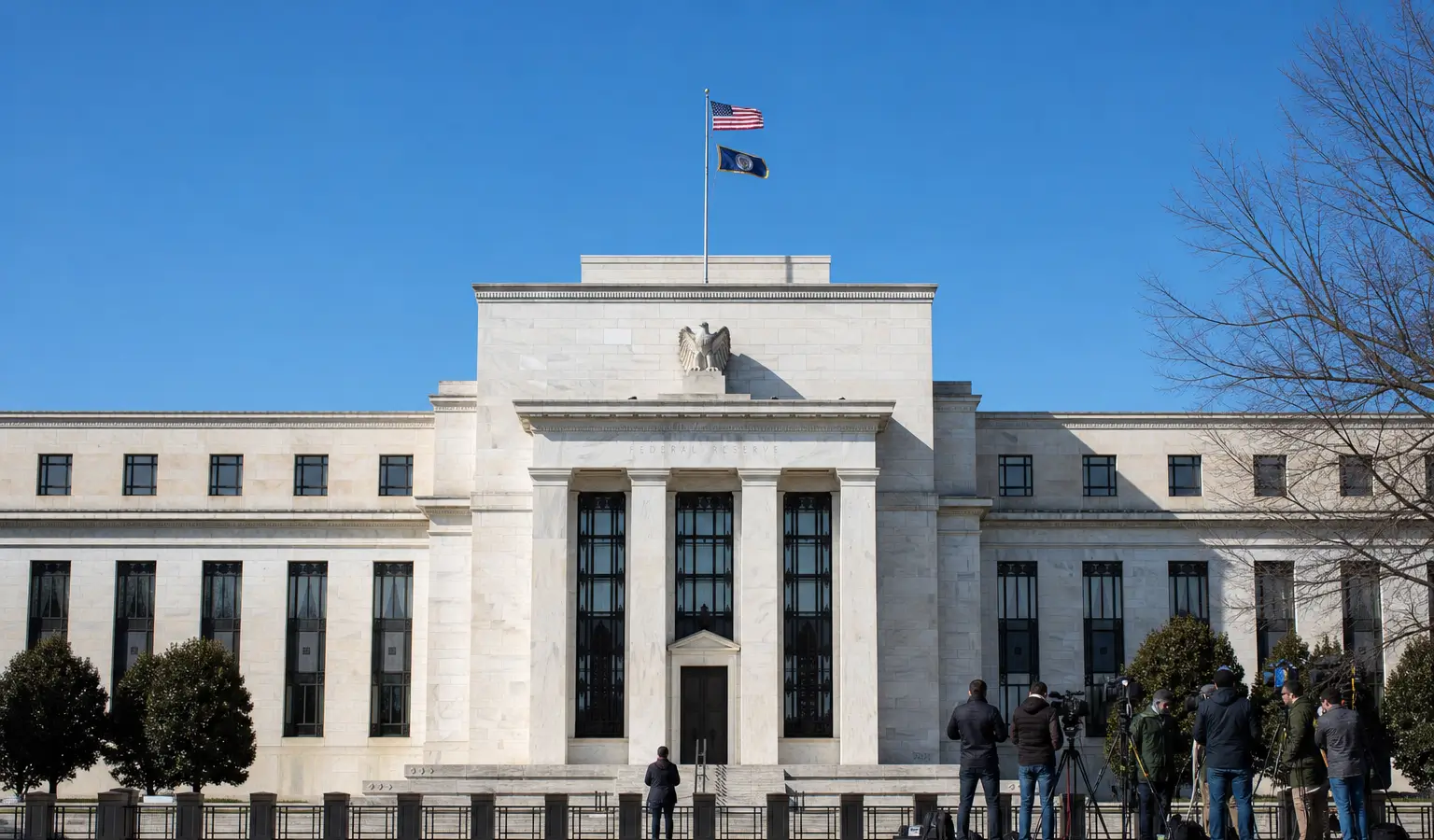
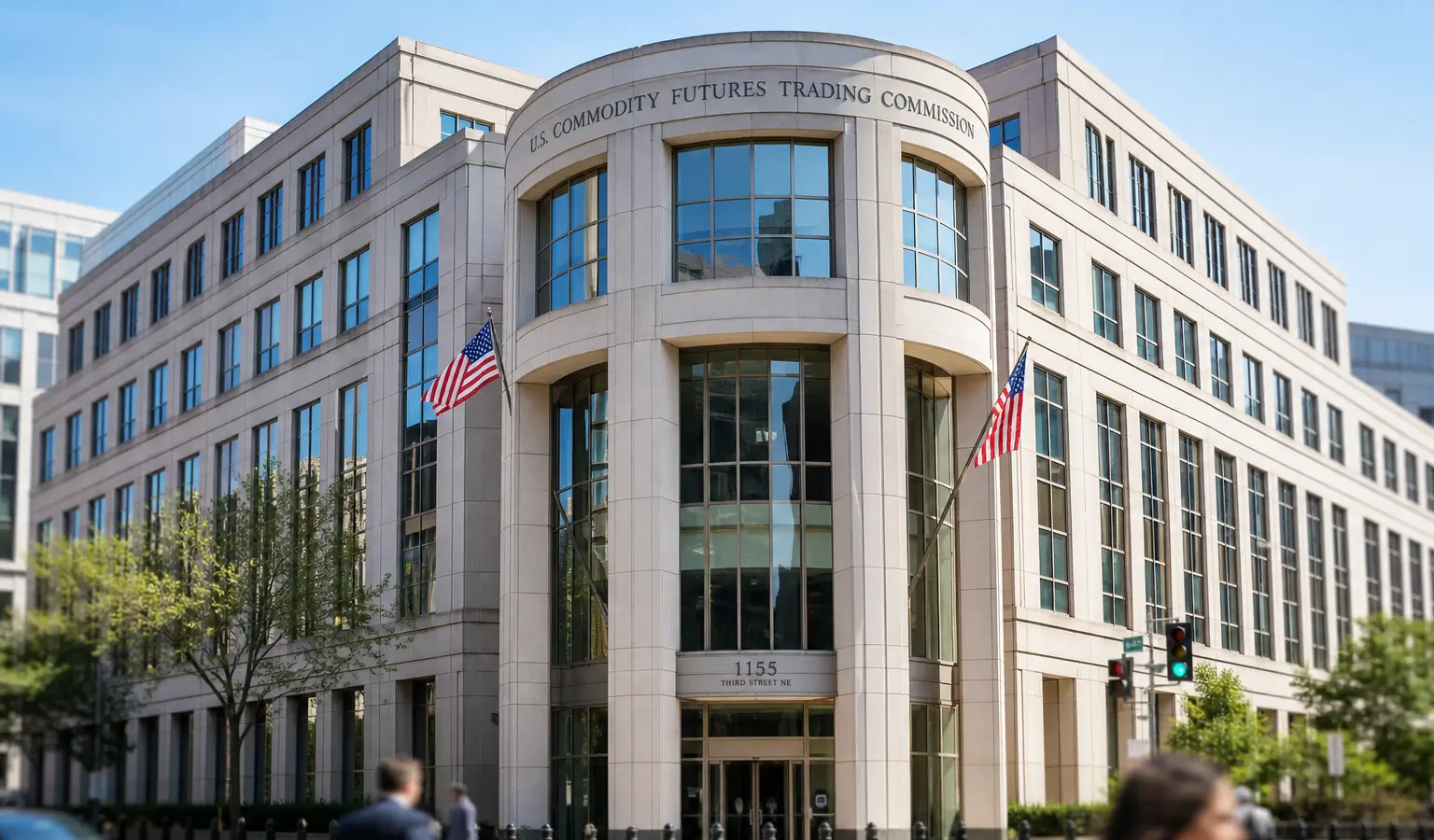
According to Bloomberg, Polymarket’s US entity, Coming Home GBA LLC, has applied for a futures commission merchant license with the National Futures Association. It also needs the Commodity Futures Trading Commission, or CFTC, to sign off on rule changes that would allow trading without full collateral.
Prediction markets such as Polymarket and Kalshi let users make yes-or-no bets on outcomes ranging from weather to sports and elections. Margin trading is routine in traditional finance, but it is more controversial in this corner of crypto because it lets people take positions with less of their own capital. Kalshi already received approval in March to offer margin trading. The wider sector is also facing scrutiny: Goldman Sachs limits employees on Kalshi and Polymarket to sports and entertainment bets because of compliance risks.
Oversight Remains Front and Center
The filing lands as the CFTC takes a closer look at prediction markets. The agency has asked the public for feedback on how event contracts should be regulated, with questions centered on core principles, the public interest, and the risk of manipulation.
Meanwhile, Senators John Hickenlooper and Jack Reed have urged the CFTC to ban margin trading on prediction markets. In their view, these products could increase investor risk and undermine state gambling laws.
The CFTC says it has exclusive jurisdiction over prediction markets and argues that they can serve a legitimate economic purpose, including as a risk management tool. That debate is relevant for European crypto readers too, since the outcome could help shape how major regulators approach new event-linked trading products and derivatives.
Polymarket Tries to Win Back Trust
Polymarket linked the filing to a marketing push it announced Wednesday, aimed at convincing policymakers, regulators, and potential users that the platform can be trusted. The move is notable because four years ago, the company agreed to stop serving US customers after a $1.4 million (€1.2 million) settlement with the CFTC.
The timing suggests Polymarket is trying to do more than regain users. It is also seeking a formal path back into a stricter regulatory setup. How quickly that happens will depend on approval from several agencies and on the CFTC’s broader view of margin trading in prediction markets.