POSCO Brings Trade Receivables Onchain With LG and Injective
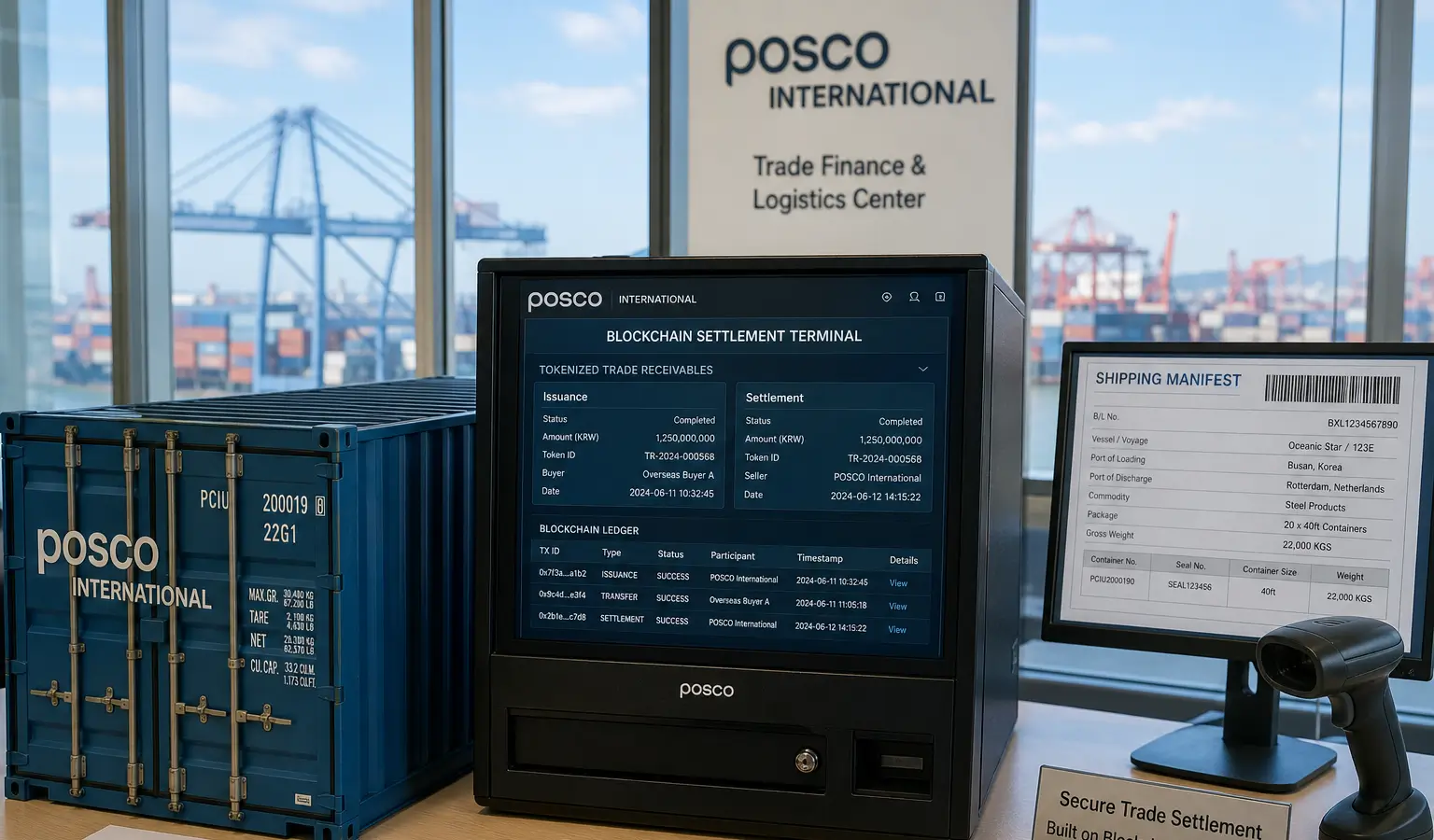
The pilot with LG CNS and Injective uses real trade receivables from POSCO International, a move that could speed up trade finance and settlement in South Korea.
Key Takeaways
- POSCO International is testing blockchain tokenization of trade receivables using real shipments between its international subsidiaries.
- The company is partnering with LG CNS and using the Injective layer-1 network to issue, transfer, and settle those receivables.
- The pilot reflects a wider move as tokenization expands beyond funds and stocks into trade finance and day-to-day business operations.
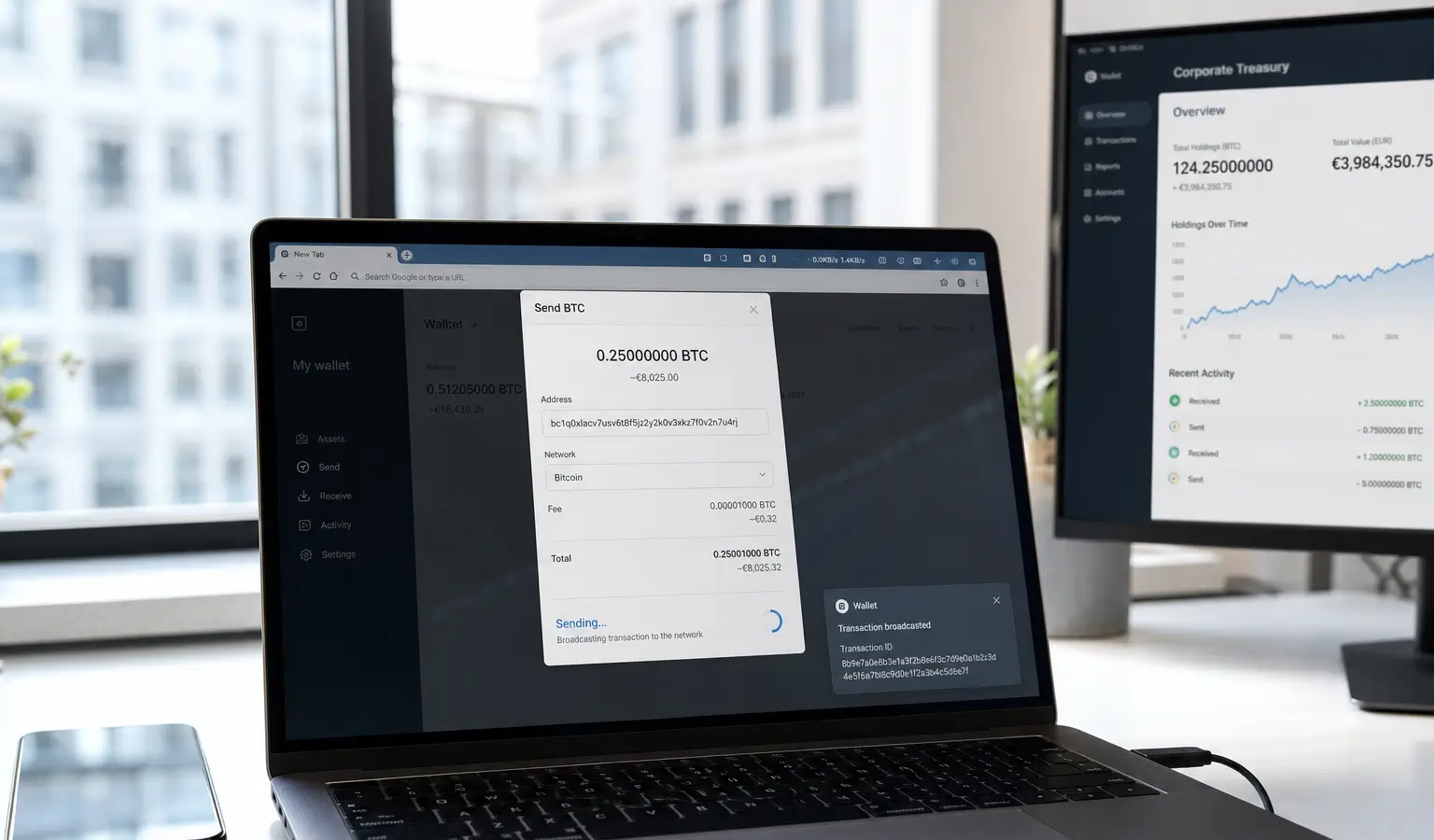
POSCO International has begun testing the tokenization of trade receivables on blockchain as part of an effort to make cross-border payments between its subsidiaries faster. The South Korean trading firm is working with LG CNS and using the Injective layer-1 network to issue, move, and settle receivables tied to real trade activity.
Real Trade as the Test Bed
This pilot is built around actual trade receivables, not a simulated setup. The assets are linked to real shipments between POSCO's overseas subsidiaries and their counterparties, which makes the test more practical than a typical proof of concept. In other words, the companies are checking how existing trade flows can work on a shared ledger in real conditions.
Trade receivables are the amounts a company is still waiting to collect after goods have been delivered but before payment arrives. Under the traditional process, those claims are often tracked separately by the buyer, seller, and bank, which can slow down reconciliation and delay the release of cash for several days.
The companies said a shared blockchain ledger gives everyone the same record, while also allowing the receivable itself to be transferred and settled with compliance rules attached to the asset. POSCO said the proof of concept mainly demonstrated that AI and blockchain can be used together with real trade data and existing business processes.
More Than Fund Tokenization
The pilot also points to a broader shift in tokenization, which is moving well beyond funds and stocks. Large firms including BlackRock, Franklin Templeton, Apollo, Fidelity, Janus Henderson, and Mubadala Capital have already put investment products onchain, and the market for tokenized assets is now estimated at about $35 billion (€30.8 billion).
That matters especially for trade finance. Trade receivables are real commercial obligations between companies, and on blockchain rails they could potentially be used more efficiently as working capital. At the same time, banks and financing partners would have a shared view of the asset.
Banks are exploring this direction as well. KB Kookmin Bank, for example, announced a blockchain-based payment service for importers and exporters that is meant to speed up settlement of trade payments.
South Korea Keeps Moving Faster
The pilot also shows how quickly South Korea is adopting blockchain in corporate finance. Earlier this year, POSCO issued the first digital bonds among non-financial companies in Korea, aiming to improve security and shorten settlement times in financing. LG CNS has also spent years building digital financial services and took part in a pilot with the Bank of Korea focused on AI-based automatic payments using digital currency.
For European crypto readers, the main point is that these use cases show blockchain moving deeper into business finance. If POSCO turns the pilot into a live product later this year, it could be another sign that tokenization is moving beyond the familiar funds and ETF segment and into operational trade processes.