Record-High Diesel Margin Puts Bitcoin in a Mixed Macro Picture
The record-high diesel margin points to persistent inflation pressure, while a weaker dollar could give Bitcoin support. U.S. interest rates and Fed expectations are keeping the macro picture mixed.
Key Takeaways
- Bitcoin is in a macro environment with both support and headwinds from a weaker dollar and rising interest rates.
- The diesel margin rose to a record $102.20 per barrel, pointing to higher inflation pressure through energy and transportation.
- For European investors, U.S. macro data matters because it quickly feeds into sentiment around Bitcoin.
Bitcoin is once again moving in a macro environment that offers both support and headwinds. While the dollar is weakening and the market is still pricing in a milder Federal Reserve in September, new oil and inflation data are pointing to stubborn price pressure. For BTC, that means a mixed picture, with several factors partly canceling each other out.
Diesel Margin at a Record High
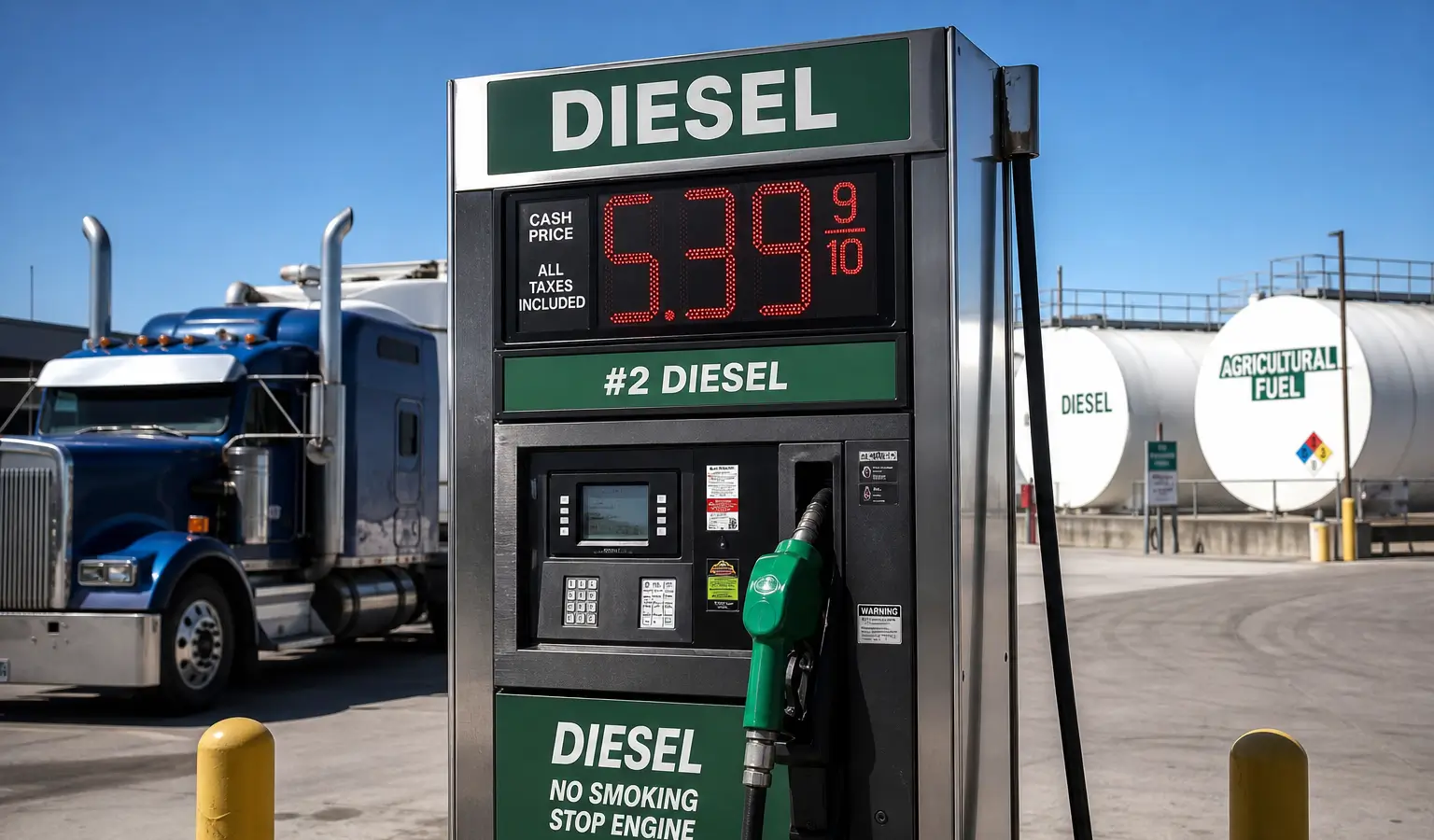
The biggest new factor is the so-called crack spread between crude oil and diesel. That margin has climbed to a record $102.20 (€88) per barrel, a sign that refining capacity and fuel supply are under pressure. The wars in Iran and Ukraine are disrupting global oil supply, while seasonal demand is peaking because farmers need diesel for tractors and the harvest.
That does not just affect the energy market. Higher diesel prices ripple through transport, agriculture, heating, and freight, which can widen inflation pressure. In practice, that can lead to higher fuel surcharges and price adjustments across multiple sectors, putting more pressure on purchasing power.
Rates and the Dollar Are Pulling on BTC
At the same time, yields on U.S. Treasuries and other developed-market bonds have kept rising. That increases the opportunity cost of holding other assets and can limit room for Bitcoin, especially if inflation expectations start climbing again. Crude oil also does not seem done yet: the price has broken out of a four-month downtrend, and concerns about tanker traffic through the Strait of Hormuz remain.
That fits a broader market where Bitcoin is often pulled back and forth by rates, oil, and liquidity. In an earlier phase, Bitcoin was already holding up despite higher rates and more expensive oil, but the room for further gains remains limited as long as the bond market stays nervous.
On the other hand, the Dollar Index fell to 99.29 on Monday, its lowest level in two and a half months, and broke below a bullish trendline. A weaker dollar has historically often been a favorable backdrop for Bitcoin, since the coin then looks relatively more attractive to international buyers.
What This Means for European Readers
For European crypto investors, this is especially relevant because macro factors from the U.S. often quickly spill over into the broader crypto market. If inflation rises again because of energy prices, that could affect the Fed's rate path and, in turn, sentiment around Bitcoin. The combination of higher bond yields and a weaker dollar makes the market especially sensitive to new macro data in the short term.