Ripple CTO explains: This is what makes the XRP Ledger so unique
The crypto market is buzzing with activity, with more and more companies launching their own blockchains.

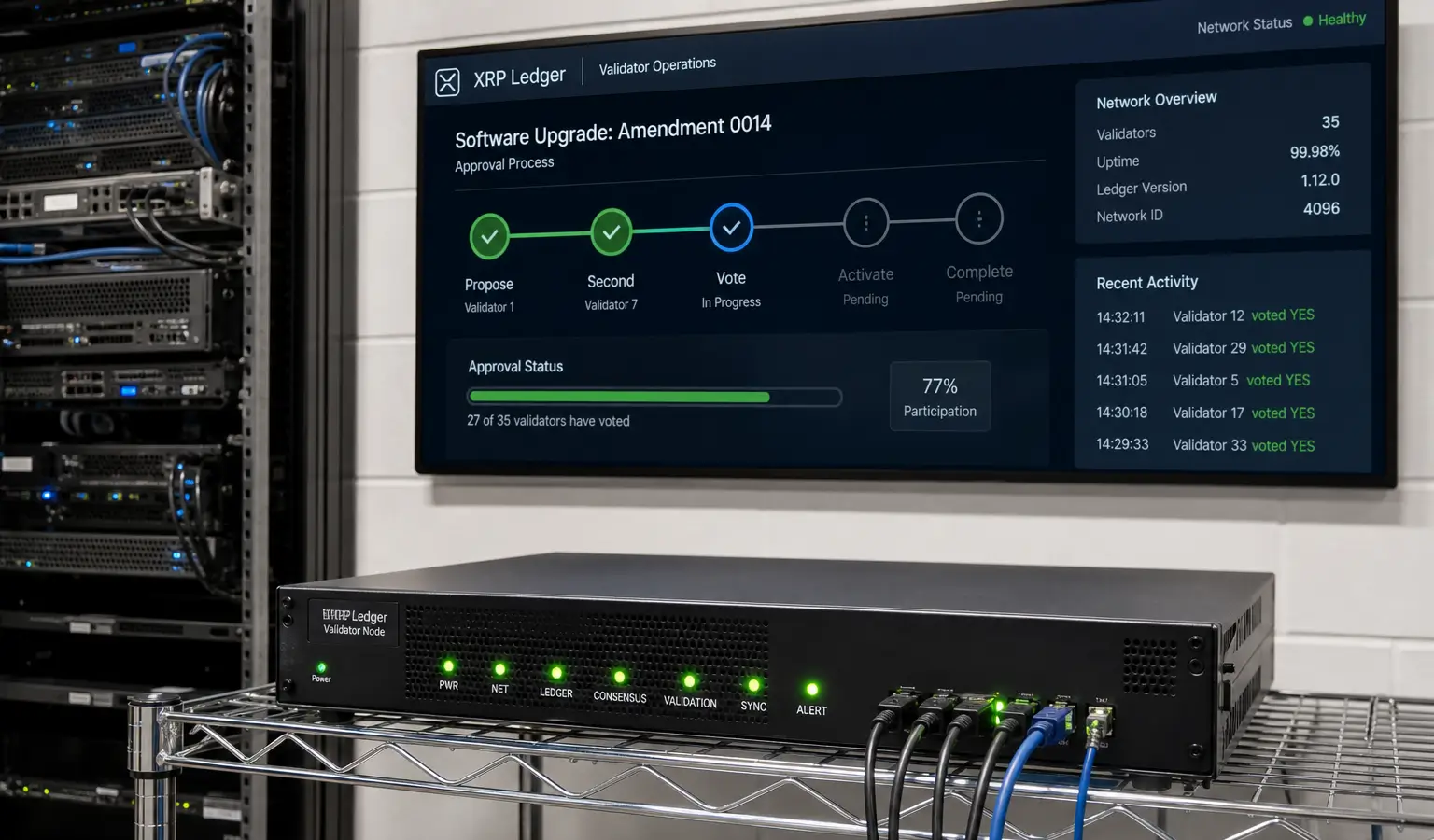
The crypto market is buzzing with activity, with more and more companies launching their own blockchains. Yet Ripple-CTO David Schwartz isn't worried about this growing competition. In an extensive View post on X on X he emphasizes: “The XRP Ledger has real traction and is being embraced by institutions because it has been tested, updated and refined for more than ten years.” New entrants in the market should build that experience, he says.
Recently Circle, the company behind the second-largest dollar-stablecoin USDC, announced the launch of its own Layer-1 blockchain named Arc. Market leader Tether and payments giant Stripe are also working on similar projects.
Yet the XRP Ledger clearly distinguishes itself, according to Schwartz, among other things by its ultra-low and predictable costs: mere fractions of a cent, with no separate gas token. Moreover, any issued asset can be "paid directly in XRP," reducing friction and hidden costs. At the time of writing XRP, the XRP Ledger's native token, trades at $3.13, down 4.2% in 24 hours. Like Ethereum, the token took a hit Thursday evening after a broader Bitcoin sell-off.
Decentralization also plays a decisive role: “XRP has no counterparty, is accessible to everyone, and acts as a bridge asset with real use cases in payments, settlement and liquidity.” Although XRP is frequently criticized for alleged centralization, critics point to the large amount of tokens Ripple itself holds and the company's active lobbying, Schwartz is not deterred. On the contrary: he welcomes the new blockchain competitors with open arms. “Welcome to the party! The crypto tent is getting bigger.”