Ripple Invests in ZILO and Licuido as XRP Stays Stuck
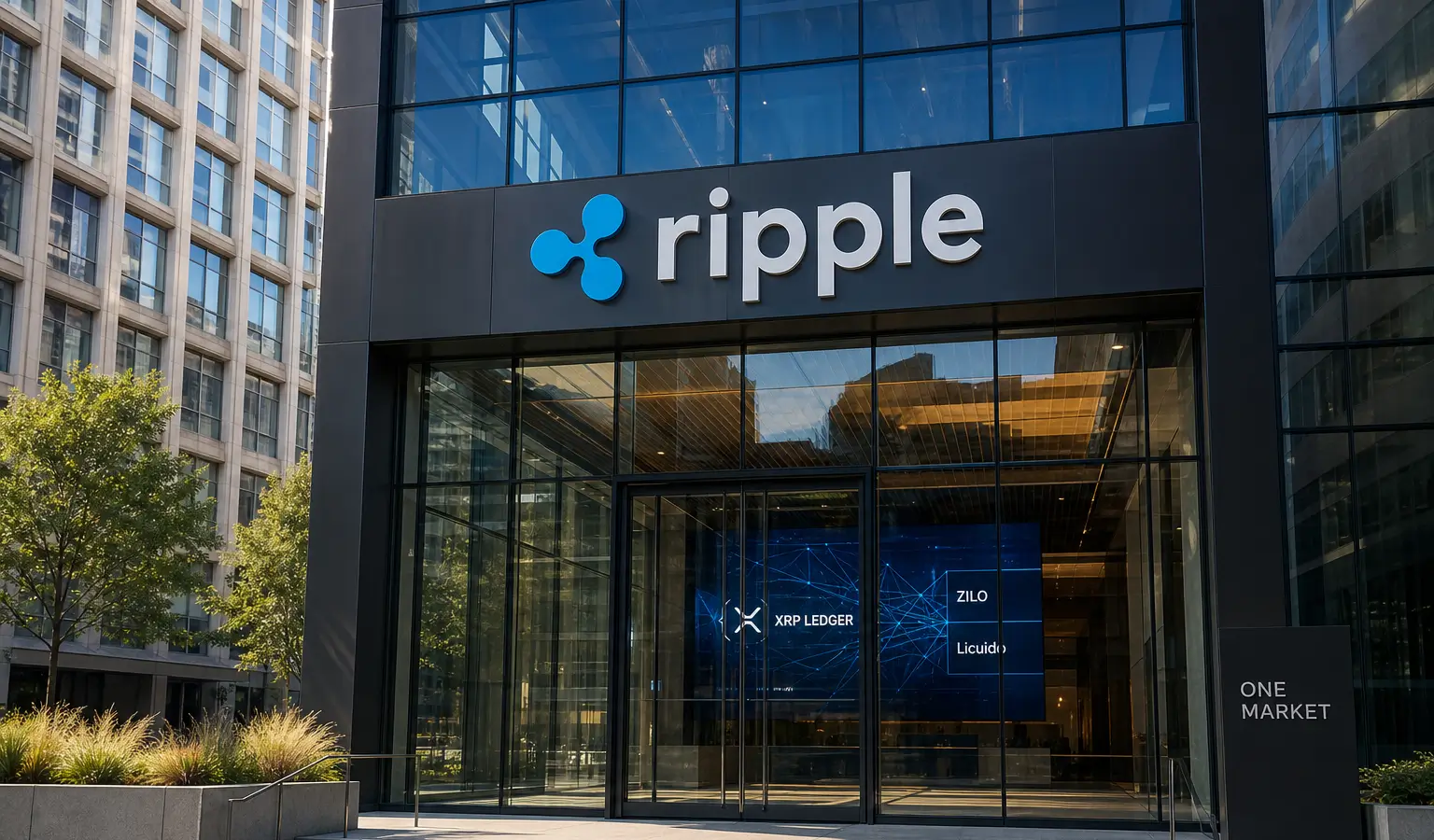
Ripple is expanding its institutional infrastructure through ZILO, Licuido, and FXRP collateral in a $280 million pool. Still, XRP’s price remains lagging, partly because a lot of the new activity is centered on RLUSD.
Key Takeaways
- Ripple invested in ZILO and Licuido to support institutional workflows on the XRP Ledger.
- FXRP was allowed as collateral in a $280 million lending pool, letting XRP be locked up without being sold directly.
- Despite more corporate news and acquisitions, XRP is still hovering around $1 and more than 70% below its previous peak.
Ripple has invested in infrastructure companies ZILO and Licuido, while XRP is still trading around $1 (€0.87). At the same time, wrapped XRP was allowed as collateral in a $280 million (€243 million) lending pool, and Mastercard completed its acquisition of payment partner BVNK. For XRP investors, that once again shows how big the gap is between company news and the coin’s price itself.
What ZILO and Licuido Add
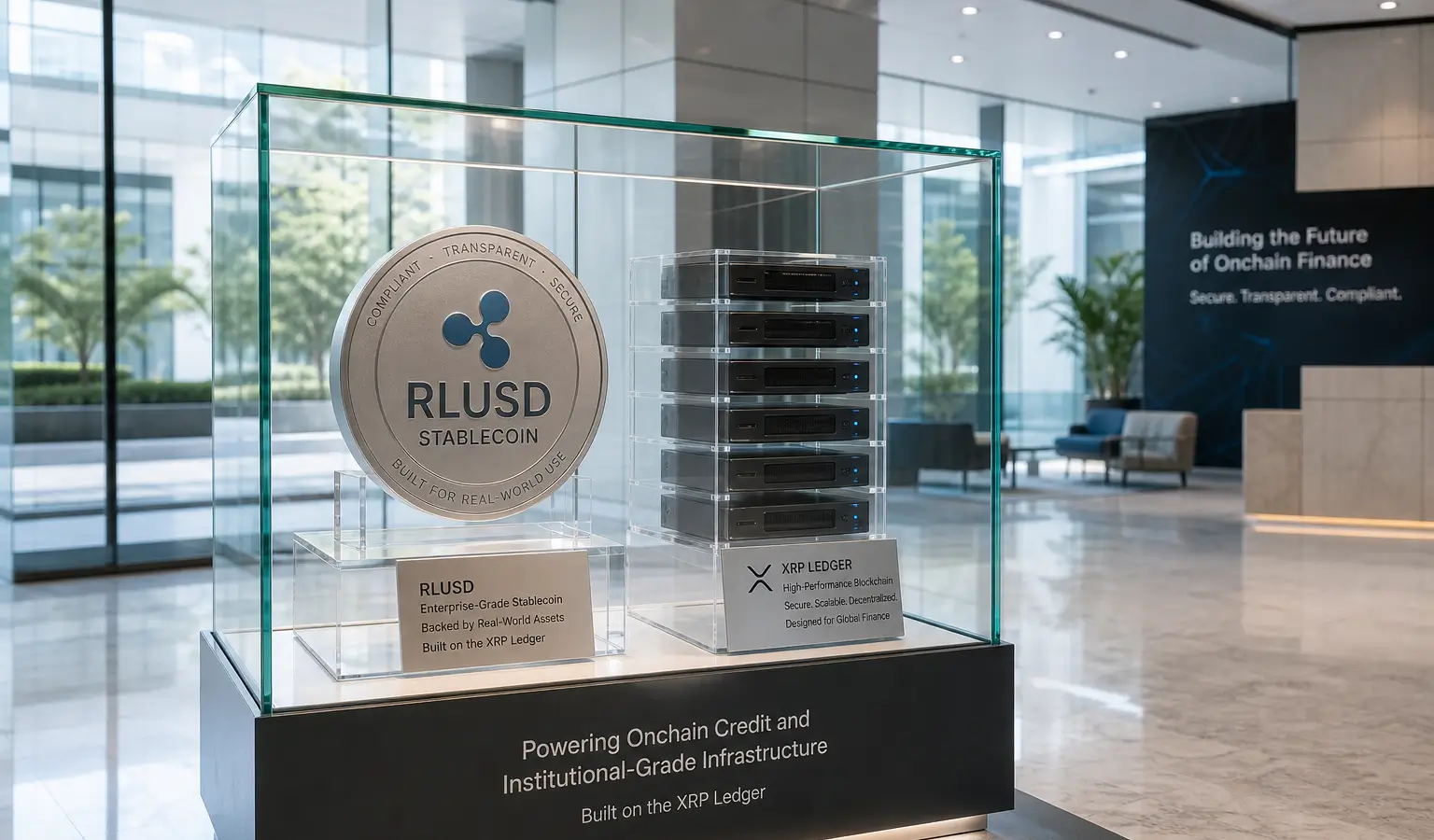
ZILO provides technology for tokenized investment funds. Licuido is a UK-regulated platform for collateral in digital assets. Ripple connects both services to the XRP Ledger, with the goal of getting more of the institutional workflow to run on one network.
That puts Ripple’s focus on four steps that matter to professional players: issuing funds and other tokenized assets, custody under regulatory oversight by a regulated party, collateral without selling the underlying position, and settlement in RLUSD instead of through correspondent banks. That fits into the broader strategy of making the XRP Ledger more useful for firms that want more than just a payment rail. Ripple is also pushing that institutional line elsewhere: in a separate effort, the company is working with Aviva Investors on tokenized fund structures on the XRP Ledger.
Why Collateral Makes a Difference
Allowing FXRP as collateral is the most concrete development in the whole setup. The pool is worth $280 million (€243 million) and makes it possible to lock up XRP for loans in RLUSD without selling it right away. For holders, that can be attractive because their position stays intact and there is no immediate extra selling pressure on the market.
At the same time, there is a clear risk. If the value of the collateral drops sharply, positions can be liquidated automatically. In a large lending pool, that can actually increase downward pressure, especially when a lot of positions end up underwater at the same time.
What This Says About XRP
The broader picture is still that Ripple as a company is building more and more infrastructure, but that growth does not automatically translate into XRP one for one. The lawsuit with the regulator is over, seven ETFs were launched, there is a conditional banking license, and acquisitions worth about $4 billion (€3.5 billion) were completed. Still, XRP remains more than 70% below its previous peak.
That is mainly because a lot of the new activity is centered on RLUSD. A payment corridor that settles in dollars does not necessarily use a bridge currency like XRP. For European crypto followers, that matters because it shows that the value of a token and the growth of the network do not always move in the same direction.