Russians Rush to Buy Hardware Wallets Ahead of New Crypto Rules
Retailers M.Video and Wildberries are seeing strong growth as Russia prepares to roll out stricter crypto rules on September 1. Lawyers say non-custodial wallets are not covered by the ban.
Key Takeaways
- Demand for hardware crypto wallets in Russia jumped sharply in the first half of 2026, partly because stricter crypto rules are coming soon.
- M.Video reported 107% more sales in Q2 than in Q1; Wildberries saw an 84% year-over-year increase in H1 2026.
- Starting September 1, crypto transactions must go through regulated parties, while lawyers say non-custodial wallets are not banned.
Demand for hardware crypto wallets in Russia climbed sharply in the first half of 2026 as the country prepares to bring in new crypto rules. Two major retailers are already seeing strong demand, a sign that more Russian users may be looking to keep their crypto off online platforms as oversight tightens.
Strong Growth at Retailers
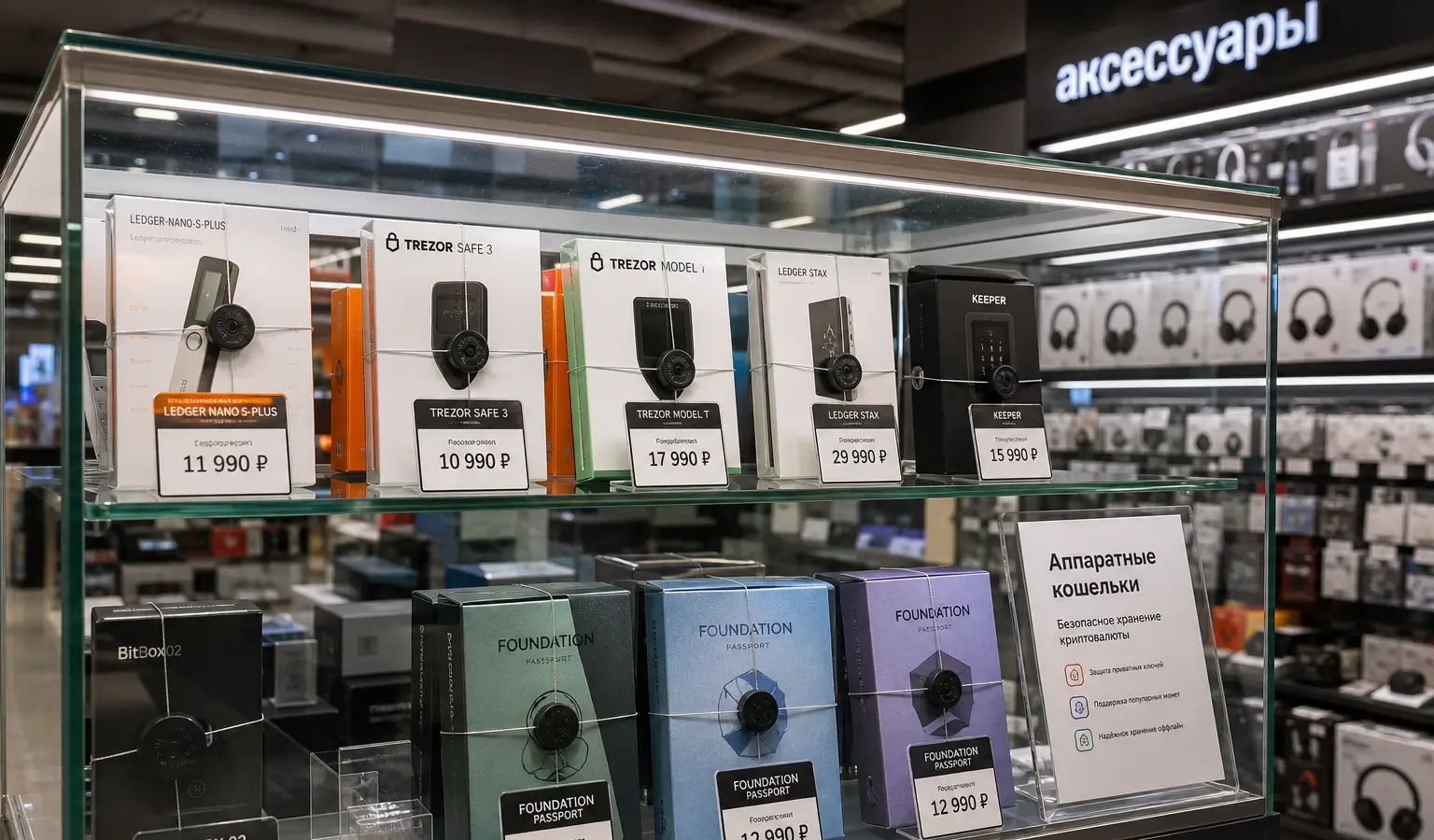
M.Video said sales of hardware wallets on its marketplace were 107% higher in the second quarter than in the first quarter. Revenue from those sales rose 92% over the same period. The company did not disclose the total number of devices sold.
Wildberries also reported a clear pickup in demand. According to RIA Novosti, based on figures from parent company RWB, unit sales in the first half of 2026 were up 84% from a year earlier. Sales value rose 60% over the same stretch. The average price at Wildberries fell 13% to 7,900 rubles, while M.Video expanded its selection, though neither retailer said what was driving the increase.
Rules Are Setting the Tone
The timing is hard to miss. Russia is set to roll out a new crypto framework on September 1 that will require transactions to pass through regulated parties, including exchanges, brokers, and digital depositories. The Bank of Russia has also said some retail investors may buy liquid crypto after passing a test and staying within an annual limit of 300,000 rubles per intermediary, while domestic crypto payments remain banned.
According to lawyers RBC spoke with, non-custodial wallets are neither banned nor illegal. For now, though, withdrawals from Russian digital depositories to personal wallets are not allowed, although there is a transition period for that until July 1, 2027. After that, crypto transactions will have to go through regulated entities, and banks will be required to reject transfers that fall outside that system.
Why This Matters
For European crypto readers, this is a good example of how quickly demand for self-custody can rise when a market moves toward tighter oversight. At the same time, Russia is building a system that gives regulated intermediaries a bigger role, while users still want to keep their own private keys on a separate device. That makes hardware wallets more than just a consumer product. They also show how market participants are adjusting to new rules.
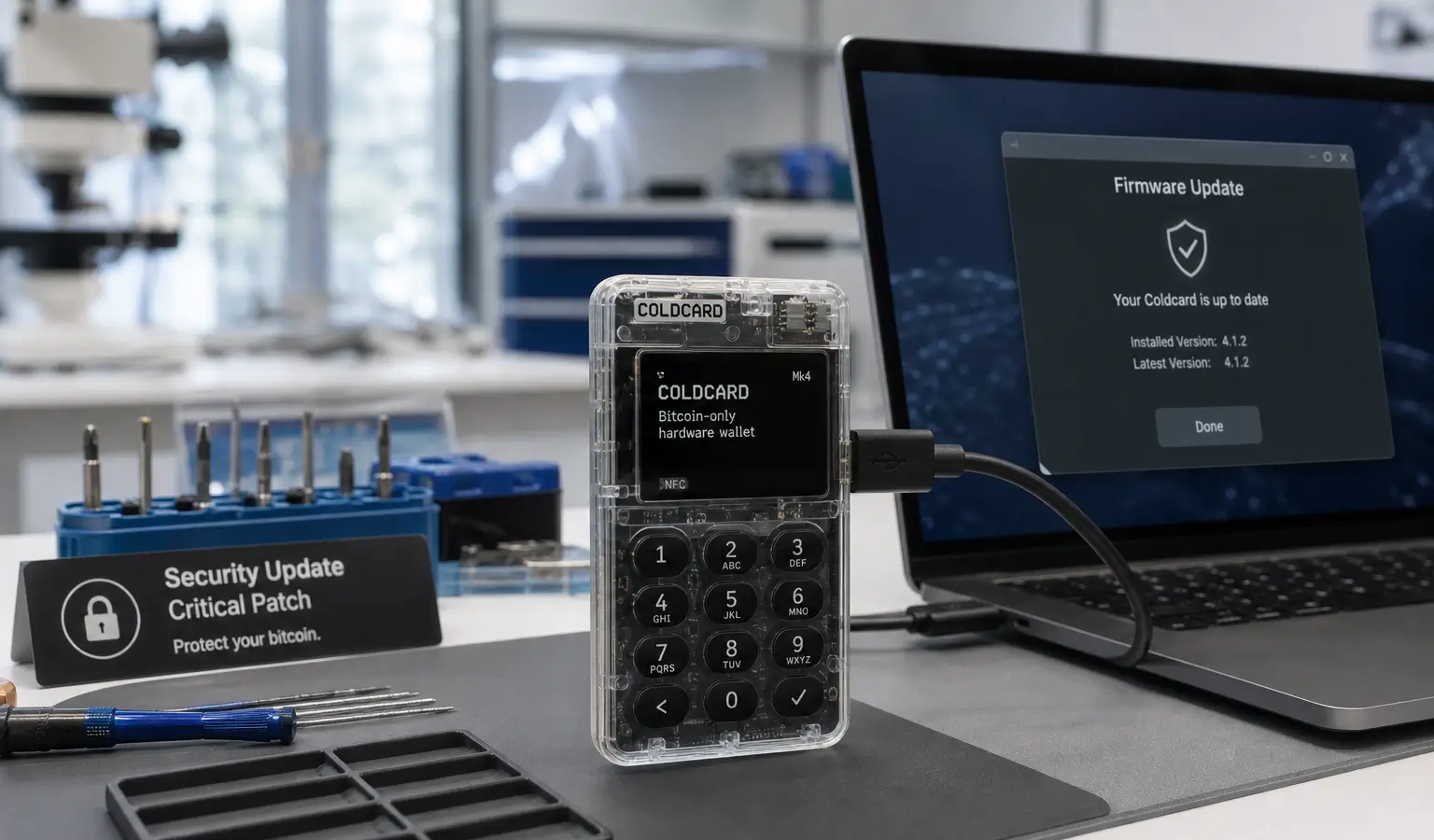
Hardware wallets are built to store the private keys that control crypto on a separate device instead of on an internet-connected service. That reduces exposure to online risks, although technical vulnerabilities can still happen. For example, on July 30, Coinkite reported a firmware bug in the Coldcard that weakened seed generation, with estimated losses of more than $116 million (€101 million).