China Expands Digital Yuan Network With Eight Banks
The PBOC is further linking the e-CNY to the banking system, with new players like Ping An Bank and Bank of Shanghai first needing to go live technically.
Key Takeaways
- China has tripled the number of banks on the digital yuan network this year to 30 by adding eight new institutions.
- New participants such as Ping An Bank and Bank of Shanghai are connected to the e-CNY system, but they still need to finish their preparations first.
- The PBOC reported 3.48 billion transactions worth 16.7 trillion yuan through November 2025.
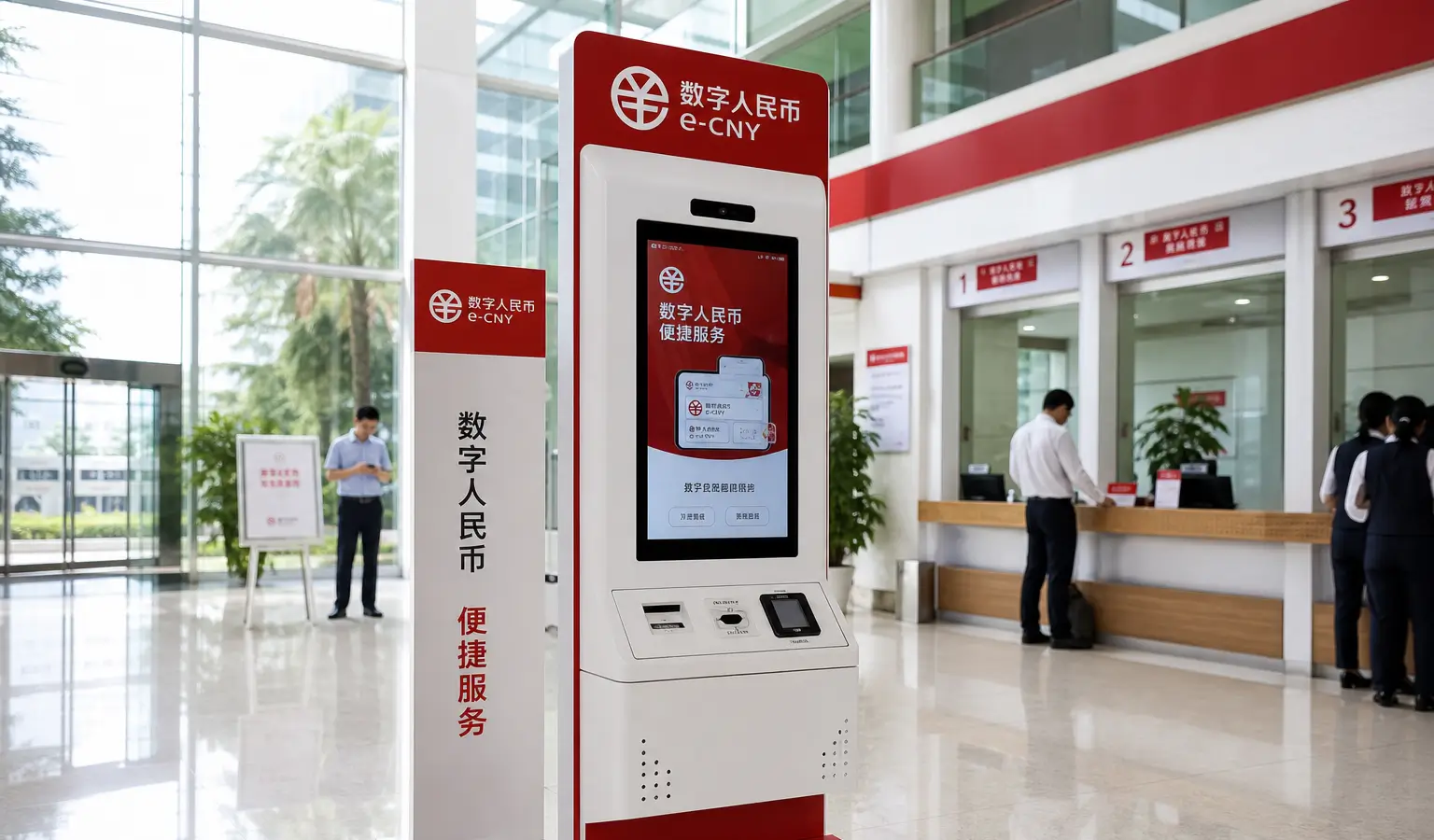
China has tripled the number of banks on the digital yuan network this year to 30 after the central bank added eight new institutions this week. That expands the reach of the e-CNY even further, although the new banks still need to finish their operational and technical preparations before they can offer services.
New Banks Connected
Among the new participants are Ping An Bank, Hengfeng Bank, Bank of Shanghai and Bank of Hangzhou. They are now linked to the central e-CNY system, but customer services will only go live once implementation is complete. This is the second expansion round of the year: in April, the People’s Bank of China added 12 institutions, bringing the total to 22 at the time.
The growth fits into the two-tier model of the digital yuan. The central bank runs the core system, while authorized banks handle the customer layer. Through those banks, users can open personal and business wallets, exchange digital yuan, process payments, and carry out anti-money laundering checks.
More Than Just Distribution
The expansion follows a broader overhaul that took effect on January 1. Since then, digital yuan balances in commercial bank wallets have been treated as deposit liabilities, which means banks have to pay interest on them and include those funds in their normal asset-liability management. That makes the e-CNY more than just a distribution channel for banks; it also affects how they manage their balance sheets.
Why This Matters
For European crypto readers, this is especially relevant because China is embedding the digital yuan more and more into the regular banking system instead of treating it as a standalone experiment. The PBOC reported that by November 2025, 3.48 billion transactions had already been processed, worth 16.7 trillion yuan, about $2.5 trillion (€2.2 trillion). That shows how large the operational scale has become, even though the central bank still keeps a tight grip on the system.
China’s approach is not happening in isolation: central banks and regulators elsewhere are also testing how digital currencies and tokenized finance fit into existing banking structures. For example, the Bank of Korea is working with nine banks on a live CBDC pilot with real transactions.