Sheriffs Reverse Course on CLARITY Act After Talks With U.S. Officials
After talks with the White House, the sheriffs group is taking a neutral stance, which appears to be easing some of the resistance to the CLARITY Act in the Senate.
Key Takeaways
- The Major County Sheriffs of America is dropping its opposition to the CLARITY Act and is now taking a neutral stance.
- The change follows talks with the U.S. government over Section 604, which is designed to protect non-custodial blockchain developers.
- MCSA still wants a role for local governments, more funding, and seats on advisory groups, while the Senate still needs 60 votes.
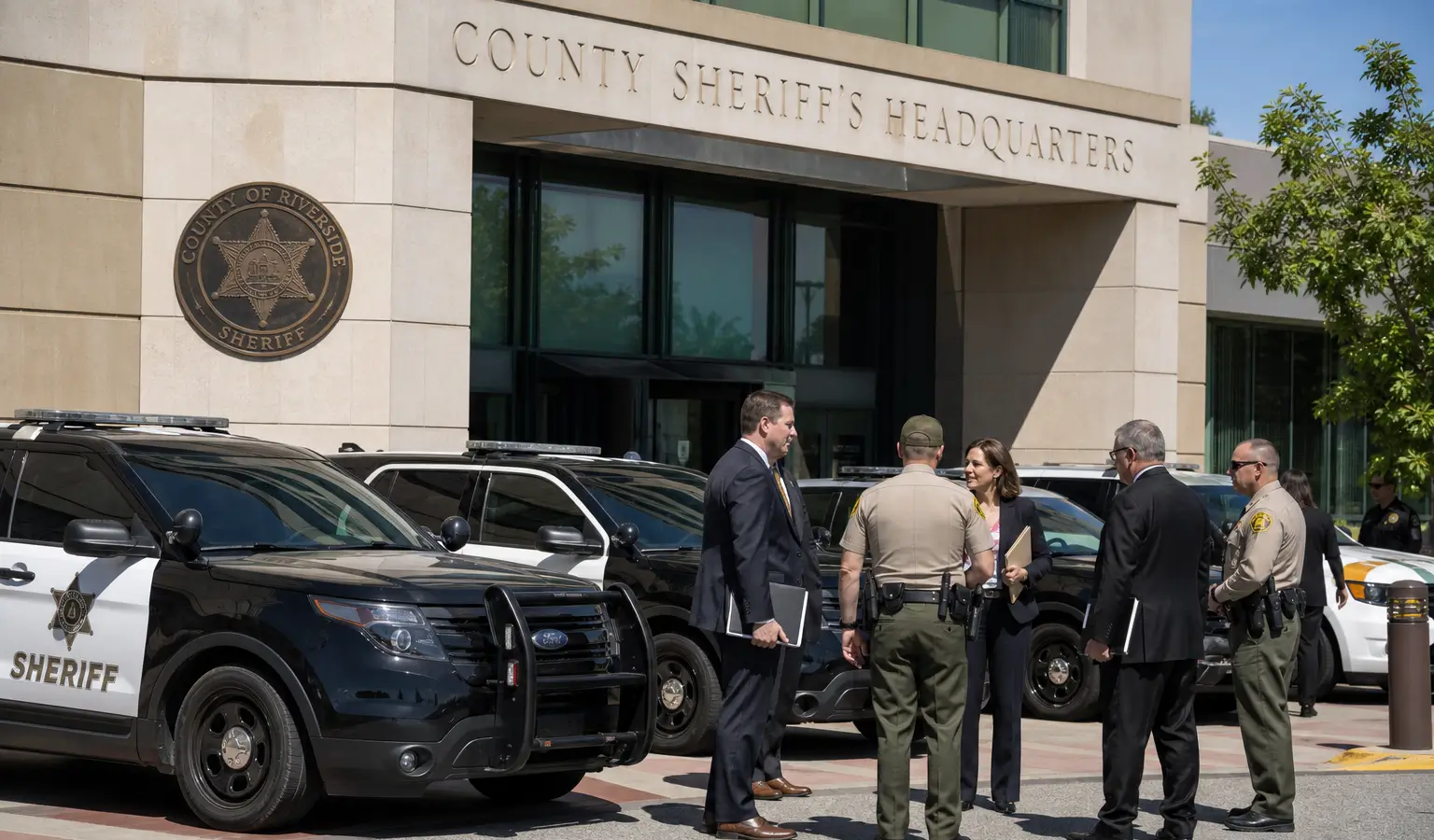
The Major County Sheriffs of America (MCSA) has backed away from its opposition to the CLARITY Act and is now neutral on the bill. The change came after discussions with the U.S. government about Section 604, the part of the legislation that addresses how non-custodial blockchain developers are treated. For crypto markets, that is a meaningful shift because it suggests the bill may face less pushback in the Senate.
Objections to Section 604
Section 604 is also called the Blockchain Regulatory Certainty Act. Its goal is to shield developers who never take control of customer funds from automatically being treated as money transmitters. That is where law enforcement groups raised concerns, arguing the language could make crypto-related financial crime harder to investigate.
MCSA represents sheriffs in counties with 500,000 residents or more and says it serves more than 120 million Americans, or about one-third of the U.S. population. That made its May 14 objection an important part of the CLARITY Act debate. The group now says the interpretation and enforcement of Section 604 are clearer than before.
What the sheriffs want now
MCSA is not endorsing the bill. Even so, it wants state and local governments to have a formal role in the Treasury review under Section 309. The group also wants representation in the advisory bodies and interagency working groups that would be created under the law.
It is also pushing for funding tied to training, technology, and blockchain forensics. The sheriffs say local agencies are the ones most likely to deal with digital crime, including fraud, ransomware, narcotics, and child exploitation. That matches broader law enforcement worries that Section 604 could create gaps in oversight as well as in KYC and AML checks compared with traditional financial rules.
Pressure on the Senate is easing
The timing is notable. Just one day earlier, NOBLE became the first law enforcement group to support the bill. Senator Cynthia Lummis defended the text against criticism from Elizabeth Warren and said it includes more than 16 safeguards against illegal financing.
For European crypto watchers, the shift is another reminder of how tightly regulation and enforcement remain linked in the U.S. debate. The CLARITY Act still needs 60 Senate votes before the summer recess, and Galaxy Research recently put the odds of passage at 50%. Losing a major local opponent could make the politics around the bill a little easier, even though the final outcome still depends on more talks in Washington.