

South Korea Wants to Ease ICO Ban After Nine Years
The FSC wants to allow token sales again, but only with advance disclosure, prospectuses, and oversight. Won stablecoins and issuer liability are also part of the new framework.
Key Takeaways
- South Korea wants to allow initial coin offerings, or ICOs, again for the first time since 2017, under the supervision of the Financial Services Commission.
- Issuers must submit white papers and prospectuses; the regulator can demand corrections and impose heavy penalties for violations.
- The proposals fit into broader crypto oversight, including plans for stricter rules around won-pegged stablecoins.
South Korea wants to allow initial coin offerings, or ICOs, again for the first time since 2017. The Financial Services Commission (FSC) wants crypto companies to first submit detailed information to the regulator before selling tokens to investors. That would put crypto fundraising in the country back under oversight after years of a strict ban.
Strict Disclosure Rules
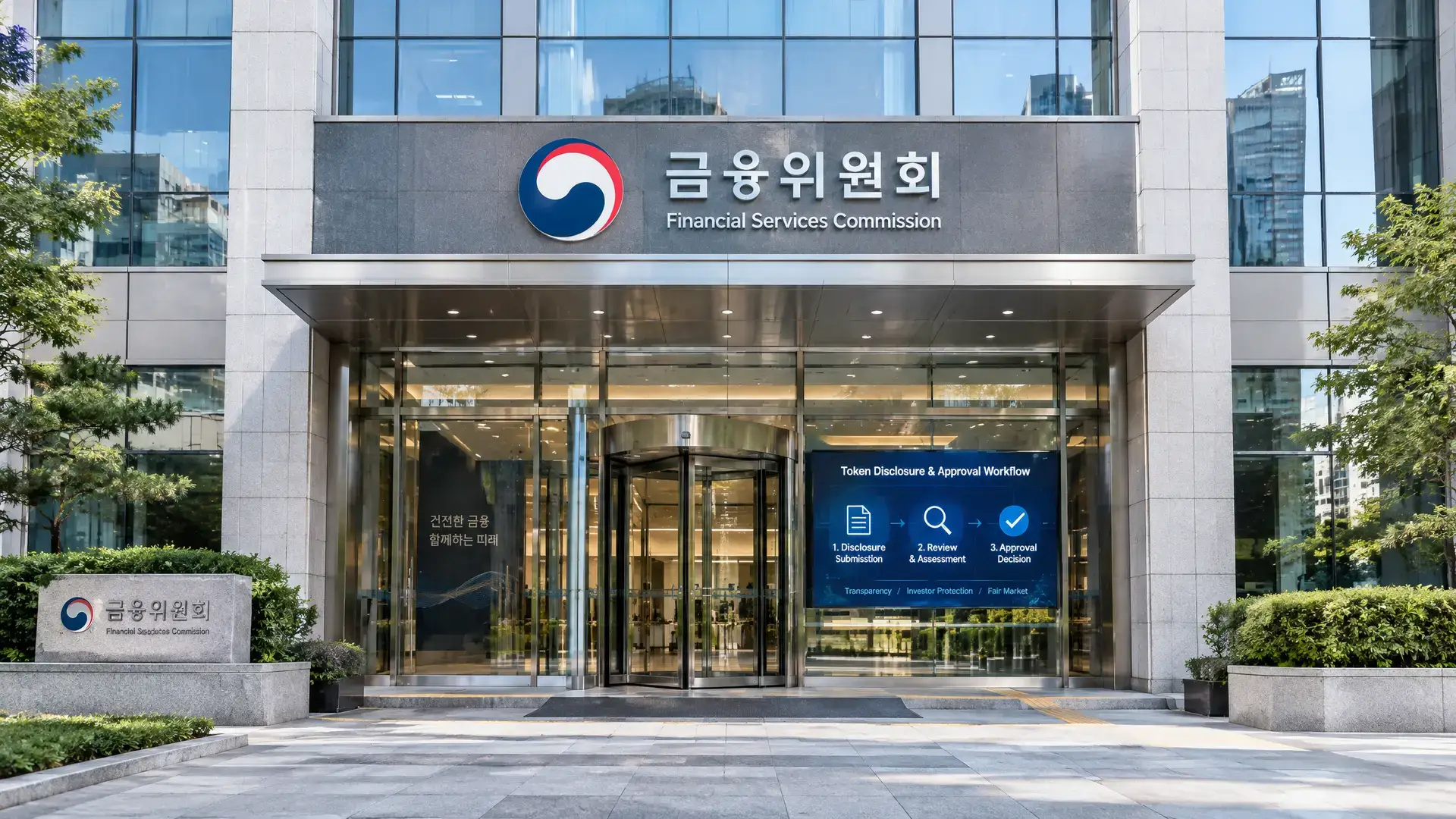
Under the proposal, issuers would have to submit white papers with information about their project, token supply, how the proceeds will be used, and the risks for investors. Retail buyers would also get a shorter prospectus. The FSC would review the documents in advance and can demand corrections if information is missing or unclear.
The rules go beyond just selling new tokens. Issuers and executives could face civil liability, fines, or even criminal charges if they make false statements or withhold information. Sellers would also have to observe a waiting period, possibly seven days, before sales can begin.
An End to an Old Ban
South Korea banned ICOs in September 2017, after concerns about fraud, speculation, and losses for investors. Even so, the ban proved hard to enforce. Some developers set up companies and foundations abroad, including in Singapore, and then brought their tokens back to South Korean investors and exchanges. In 2019, regulators found that some projects had raised money from Koreans even though the ICO formally took place outside the country.
The Bank of Korea already called for the ban to be rolled back in 2022, saying foreign registrations made it possible to get around domestic rules. John Cho, CEO and co-founder of Ratio and chief stablecoin officer at the Kaia DLT Foundation, told CoinDesk that regulated ICOs could help South Korean startups raise capital. In his view, that does not make ICOs safe, but it does give retail investors a better basis for judging projects.
Broader Regulatory Framework
The ICO plans are part of the same legislation in which the FSC also wants to step in on won-pegged stablecoins. For that, the regulator previously proposed limiting issuance to bank-led consortia. At the same time, the FSC is showing that it wants to bring digital assets more and more into the existing financial framework, instead of keeping them outside the market.
That matters for European crypto readers, because South Korea is often seen as an important test market for new rules around tokens and exchanges. If parliament approves the proposals, it could show how a major market is trying to combine crypto issuance with stricter disclosure and oversight.
Meanwhile, South Korea is also tightening controls elsewhere: the regulator wants to freeze more crypto accounts to tackle suspicious money flows and financial crime faster.