

South Korea Wants to Freeze More Crypto Accounts
The FSC wants to tighten anti-money laundering rules and get more room to block suspicious crypto accounts. Foreign exchanges and private wallets are also coming into sharper focus.
Key Takeaways
- South Korea wants to tighten control over crypto transfers to foreign exchanges and private wallets even further.
- The regulator may get more room to freeze accounts suspected of financial crimes.
- By the end of October, more than 11,500 accounts had already been temporarily frozen, according to an FSC report.
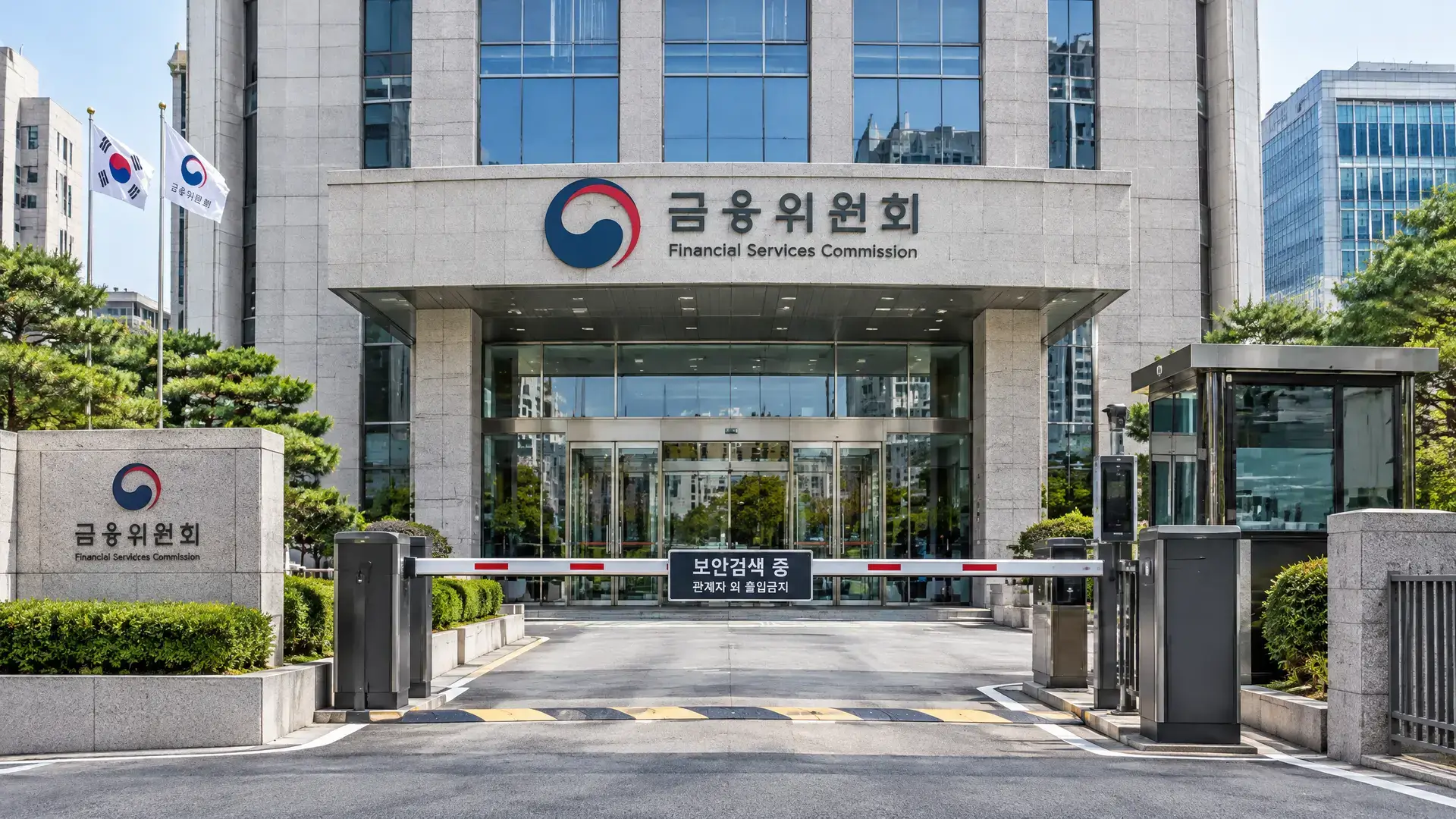
South Korea wants to tighten control over crypto transfers to foreign exchanges and private wallets even further. At the same time, the regulator may get more room to freeze accounts suspected of financial crimes. The plans were announced Monday by FSC Chair Lee Won-geon during South Korea’s 20th Anti-Money Laundering Day.
Stricter Screening for Crypto Companies
Lee said the regulator will raise registration and screening requirements for crypto companies through changes to the financial information laws passed in August. According to him, the government needs to be able to act faster against fraud that is becoming more organized and more advanced.
The new approach also focuses on transfers to risky foreign platforms and on personal wallets. With that, the FSC wants better visibility into money flows outside regulated trading platforms. That fits into a broader trend in which South Korea has long been cracking down on foreign crypto exchanges without local registration.
More Pressure on Foreign Platforms
In October, South Korean regulators already blocked access to 27 unregistered exchanges, including KuCoin, BitMart, and MEXC. Their mobile apps had also been restricted earlier. The move shows that the government is stepping up enforcement against foreign firms without local registration.
The FSC also wants to expand its transaction-stop system. That system was introduced on June 30 for suspected phishing accounts and could, after a law change, also apply to other serious financial crimes. By the end of October, more than 11,500 accounts had already been temporarily frozen, according to an FSC report.
What This Means for the Market
For crypto readers in Europe, the main takeaway is that South Korea is tightening the rules around exchanges, wallets, and anti-money laundering checks even further. The country has long been seen as an important market where regulators move hard against unregistered providers and suspicious transactions. The planned Digital Asset Basic Act, which according to Yonhap will be explained on Tuesday, could further shape that approach for crypto exchanges, custodians, and won-pegged stablecoins. The earlier block of 27 foreign exchanges also shows how far Seoul has already gone with that approach.