

South Korea Wants Banks to Control Won Stablecoins
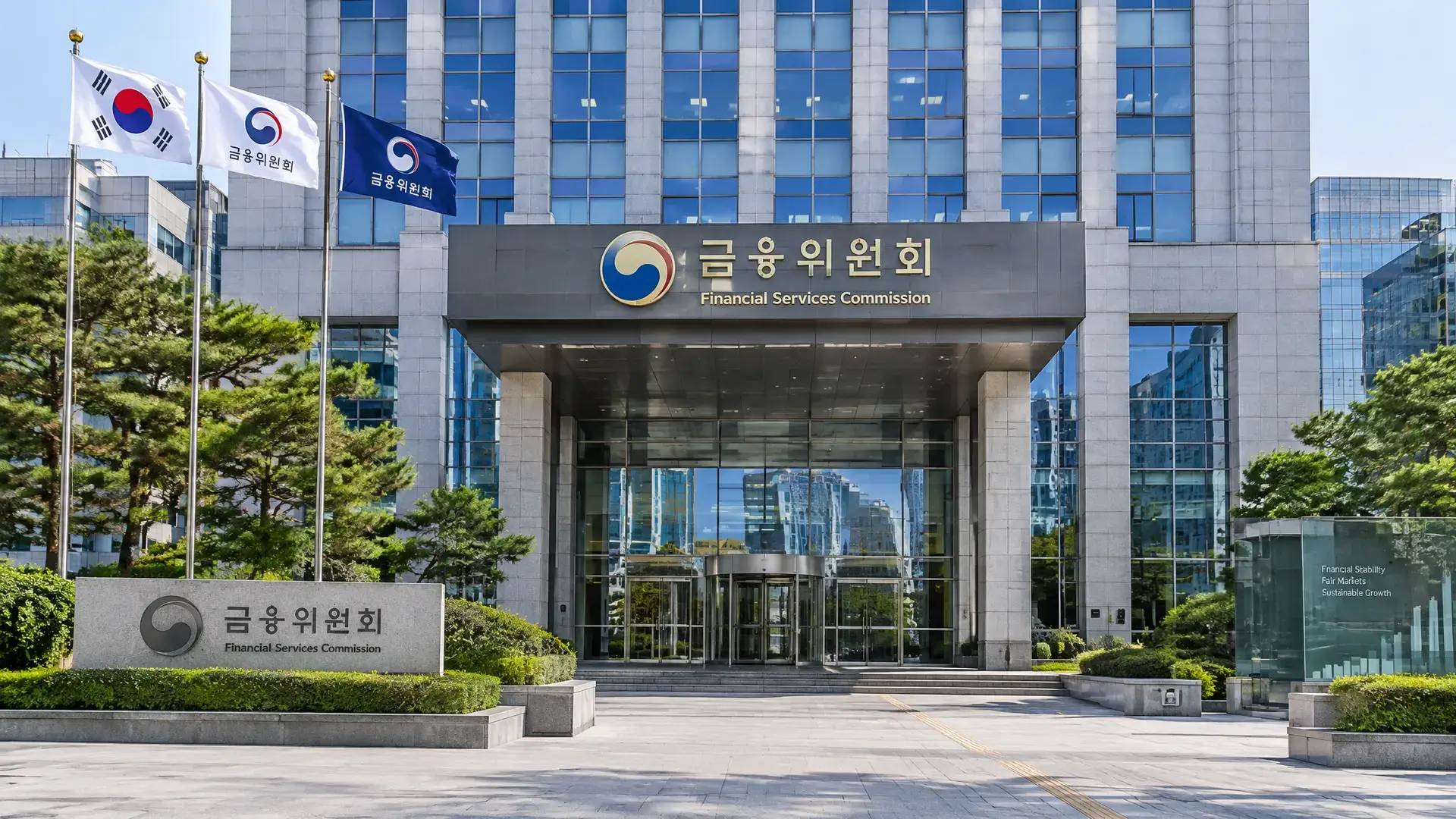
The FSC wants banks to control more than 50% of won stablecoin issuers, with 100% reserves and strict requirements for exchanges and foreign firms.
Key Takeaways
- South Korea wants won stablecoins to be issued only by parties in which banks together own more than 50%.
- Issuers must hold at least 5 billion won in capital and have reserves for 100% of all outstanding tokens.
- Foreign stablecoin issuers may only operate with a local office and approval from the regulator.
South Korea wants won-stablecoins to be issued only by parties in which banks hold the majority. The Financial Services Commission (FSC) has put forward a proposal that more tightly defines the role of banks and fintech companies in the market, after months of debate over who should be allowed to issue these tokens.
Banks Get the Lead Role
Under the proposal, banks must together own more than 50% of a stablecoin issuer. A fintech company may still be the largest individual shareholder, but it cannot have the deciding power. The FSC wants to end the deadlock that also delayed approval of the Digital Asset Basic Act last year.
The central bank had previously warned that stablecoins, which are tied to another value, often the U.S. dollar, could be used to bypass currency rules and capital controls. It could also reduce the central bank's room to steer monetary policy.
Strict Requirements for Issuers
According to the proposal, issuers must hold at least 5 billion won in capital, which is about $3.4 million (€3.1 million). In addition, reserves must cover 100% of outstanding tokens. Stablecoins must be redeemable on demand, monthly reserve checks will be introduced, and issuers may not pay interest to holders.
The rules affect not only issuers, but also the market structure around them. The FSC also wants a 20% cap on crypto exchanges owning stablecoin issuers, with room to raise that to 34% after regulatory approval. Existing players will have three years to adapt.
Foreign Firms and the Local Market
There will be a separate path for foreign stablecoin issuers. They may operate in South Korea if they open a local office and receive approval from the regulator. Tokens without that approval may not be listed or traded on South Korean exchanges.
For European crypto watchers, this matters because South Korea shows how strictly a major market can structure stablecoins. The mix of bank dominance, reserve requirements, and exchange restrictions can also say something about how regulators elsewhere are looking at market structure and oversight, especially now that stablecoins are getting more attention worldwide. Banks are also moving more clearly into the spotlight elsewhere: major banks are now working on their own stablecoin initiatives, just as demand and regulation are maturing faster.