Tether Buys Farmland Alongside Bitcoin and Gold
The stablecoin issuer is now also spreading its reserves across farmland in South America, alongside gold, Bitcoin, and US Treasuries. At the same time, the buffer behind those reserves is shrinking, fueling the transparency debate around Tether.
Key Takeaways
- Tether bought about 70% of Adecoagro for around $600 million, adding farmland to its reserve strategy.
- According to KPMG, Tether's reserves exceeded its liabilities by $6.8 billion at the end of 2025, but the audited documents have not been made public yet.
- Tether reported a $4.1 billion buffer in June; that fell because of unrealized losses on gold and Bitcoin.
Tether, the issuer of the world's largest stablecoin, bought a majority stake in a South American agricultural group for about $600 million (€516 million). That adds farmland to a reserve strategy that already includes billions in gold and Bitcoin, while the buffer behind those reserves has actually gotten smaller.
Farmland Alongside Gold and Bitcoin
Tether took about 70% of Adecoagro, a Nasdaq-listed agricultural company that manages more than 200,000 hectares in Argentina, Brazil, and Uruguay. The deal grew to about $600 million (€516 million) in September 2025, after an initial $100 million (€86 million) stake in 2024.
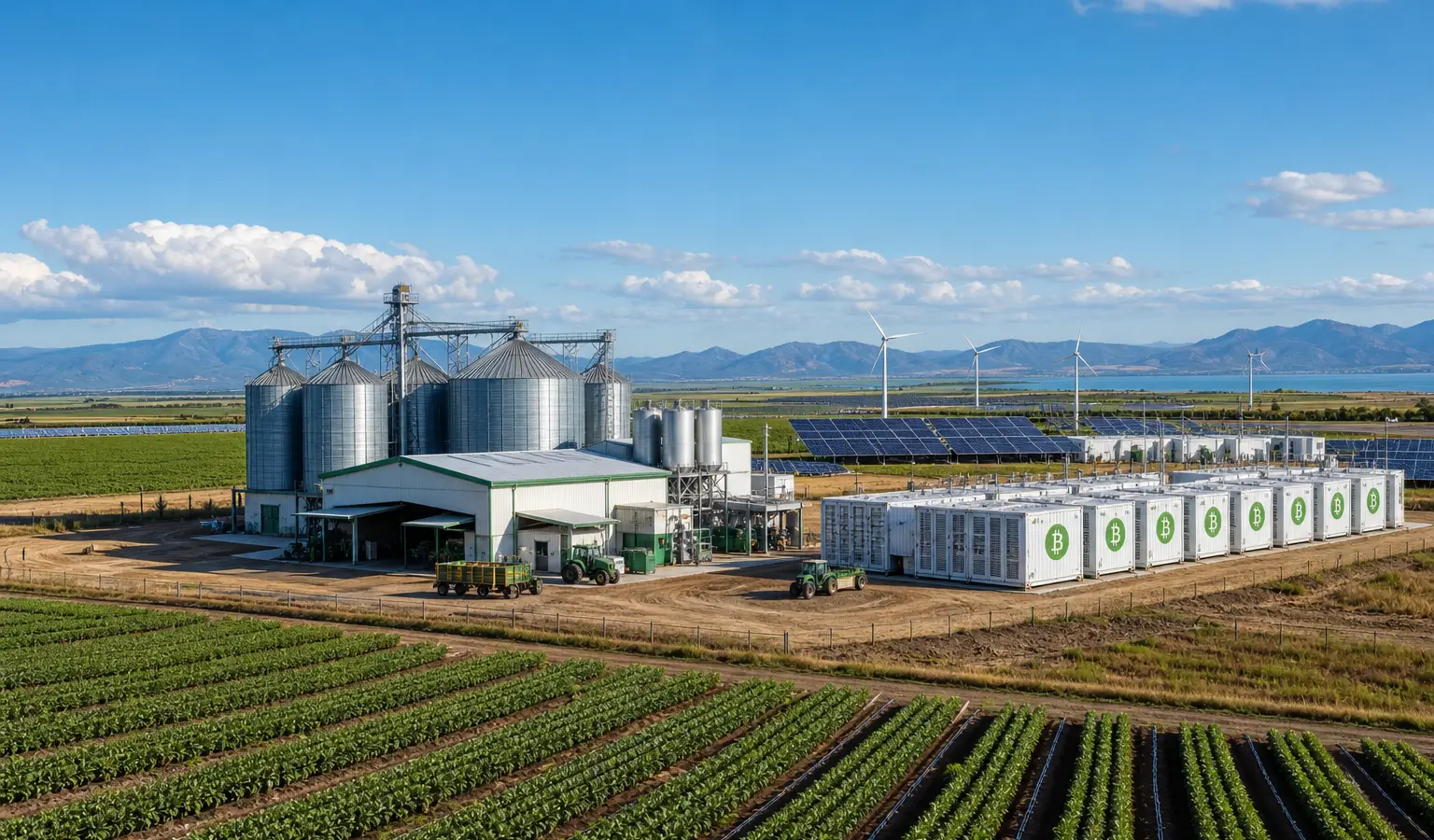
According to Tether, the purchase fits the same idea as its positions in gold and Bitcoin: protection against dollar weakness and inflation. CEO Paolo Ardoino said the company sees itself as an entity that should stay standing even in a worst-case scenario. He also called the agricultural group a source of real, tangible assets. Tether also wants to use the company's renewable energy for Bitcoin mining.
Buffer Shrinks After the Audit
The timing stands out because KPMG recently gave Tether a clean audit of its reserves. According to that review, the reserves exceeded liabilities by $6.8 billion (€5.9 billion) at the end of 2025. Ardoino called that the strongest statement an accountant can make, but the underlying audited documents have not been made public yet.
At the same time, Tether's June attestation, reviewed by BDO, still showed a $4.1 billion buffer. That's about 40% lower in six months. The drop was mainly tied to unrealized losses on gold and Bitcoin, exactly the assets that are supposed to protect the balance sheet.
Tether also remains one of the biggest holders of US Treasuries. In its first-quarter 2026 attestation, that position stood at about $141 billion (€121 billion). So the company is spreading out across hard assets, but it still keeps most of the balance sheet tied to the currency it is trying to hedge against.
Why This Matters for Europe
For European crypto followers, this matters because Tether plays a central role in the stablecoin market and because the transparency debate around reserves has been going on for a while. The mix of farmland, gold, Bitcoin, and Treasuries shows how broadly Tether is trying to build its buffer, but also how hard it is to sell those assets quickly if cash is needed right away. In a stricter environment for stablecoins, such as under MiCA in the EU, that reserve approach could get extra attention. That fits into the broader debate about stricter reserve requirements for stablecoins, where regulators are increasingly looking at full backing and the quality of the underlying assets.