Ethereum Takes a Step Toward Paying Gas Without Ether
EIP-8141 is meant to make wallets more flexible within account abstraction, so fee payments can also run through stablecoins or an app. The feature is locked in for the next Ethereum upgrade, but it is not live yet.
Key Takeaways
- Ethereum has included EIP-8141, also known as Frame Transactions, in the next major network upgrade.
- With Frame Transactions, transaction fees can be paid by someone other than the sender of the transaction.
- The feature is still a draft and is not live on Ethereum today.
Ethereum is taking an important step toward transactions where users no longer need to hold ether to pay gas. Core developers have officially included EIP-8141, better known as Frame Transactions, in the network’s next major upgrade. That moves the proposal from a candidate to a fixed part of the roadmap.
What Frame Transactions Does
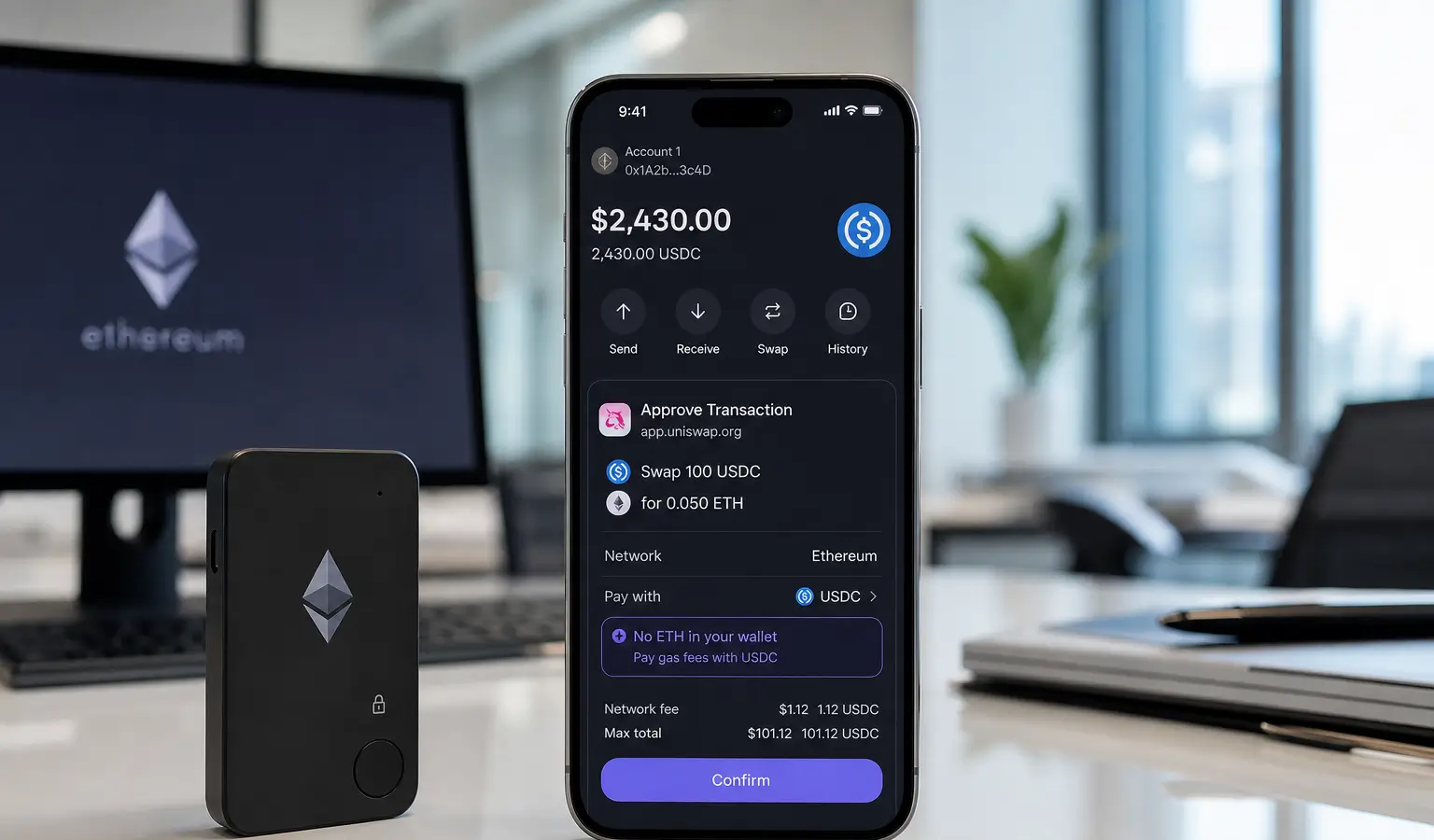
The problem is simple. A wallet can be full of stablecoins or other tokens, but without ether that wallet still cannot send a transaction. Ethereum settles the cost of every transaction in ether, and that stays the same under Frame Transactions.
The new setup splits a transaction into multiple steps. First, it checks whether the user approved the action. Then it determines who pays the fee, and the remaining instructions follow. That means the sender of the payment and the party covering the costs no longer have to be the same.
In practice, a payment app could cover the fee, or a wallet could handle the gas bill with the user’s stablecoins. That would happen within Ethereum’s normal transaction flow, without separate bundlers or other middlemen. According to Vitalik Buterin, there has already been a lot of quiet progress around Frames over the past few months.
Why This Matters
For users, this could lower the barrier to moving around on Ethereum, especially if they have tokens but no ether in their wallet. The proposal also fits into the broader move toward account abstraction, where an account can get its own rules for approving transactions. That could make wallets more flexible without forcing users to switch to a new address first.
The technology also touches on security. Frames can bundle multiple steps into one atomic transaction, so a failed trade does not get left half-executed. The proposal also makes it possible for an account to later use different rules or a different type of cryptography, which matters when it comes to post-quantum security.
Still Not a Live Feature
The specification is still a draft, and details could still change before Hegotá arrives in 2027. Ethereum has already locked the feature in for that upgrade, but nobody can use Frames yet today. For the crypto market, it is mainly a sign that Ethereum is continuing to build a wallet experience that depends less on separate services and sits more directly in the protocol itself. Earlier, privacy technology for banks already showed that there is more demand for Ethereum applications that bring payments and settlement more directly onto the network.