White House Weighs CFTC Reset as Crypto Fears a Stricter Line
The issue is futures, options, and other crypto derivatives; the outcome could decide whether the CFTC becomes stricter or more innovation-friendly under new leadership.
Key Takeaways
- The White House had candidates vetted for all four open CFTC seats, CNBC reports.
- The CFTC oversees futures, options, and swaps, but not the crypto spot market directly.
- A fully staffed commission could bring more clarity, but it could also mean stricter review of new crypto products.
The White House had candidates vetted for all four open CFTC seats, CNBC reports. For the crypto market, that matters especially because the commission plays a major role in U.S. derivatives, while the seat split does not automatically have to work in crypto’s favor.
CFTC May Get a New Makeup
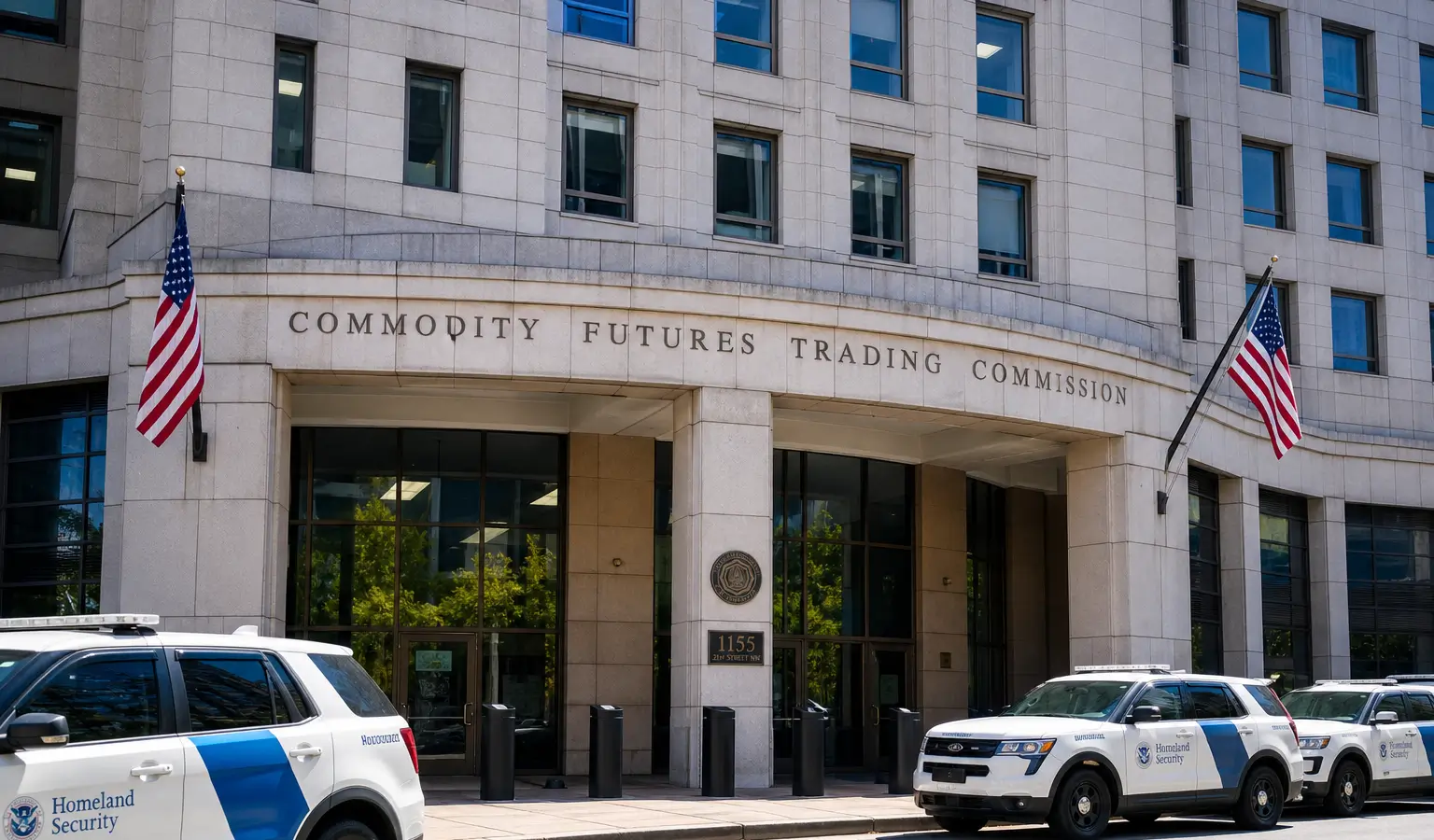
The Commodity Futures Trading Commission has five seats, but the law does not require all of them to be filled. One party may hold no more than three. That means it is legally possible for two Democratic seats to stay empty, while Chair Michael Selig votes alone for now.
That makes the political math more important than the simple idea of a fully staffed commission. Under the current rules, members are appointed after Senate approval, and the president names one of them as chair. So the party split is a cap, not a guarantee that the minority seats will actually be filled.
Why Crypto Is Watching This
For crypto, the CFTC is not a side issue. The regulator oversees futures, options, and swaps, and it does not have direct power over the crypto spot market. That means the makeup of the commission matters most for products like derivatives, margin, and other investment tools that fall under its oversight.
The previous full commission already showed how different the approach can be. Under former Chair Rostin Behnam, the focus was on enforcement against platforms serving Americans without registration, while commissioners like Summer Mersinger and Caroline Pham were more often looking for room for crypto innovation. In her final months, Pham was still working on a pilot for Bitcoin and ether as collateral, and Selig has partly kept that line going.
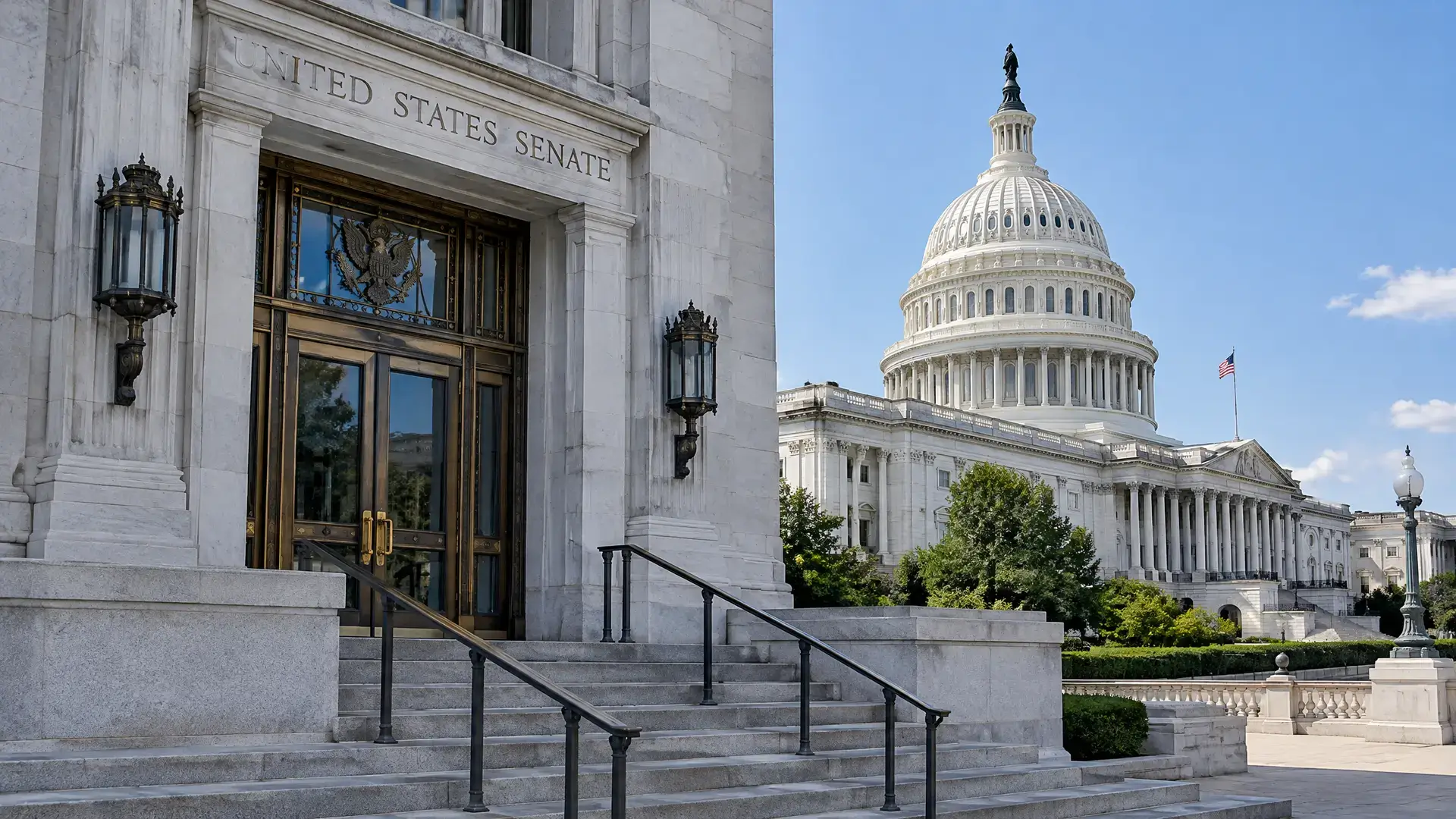
The appointments also come as broader debates over U.S. market structure continue. In the Senate, the Clarity Act remains an important file, because that law is meant to clarify how oversight is split between the SEC and CFTC.
More Than Just Seat Allocation
For European crypto readers, this matters mainly because U.S. rules often ripple through the wider crypto market. If the CFTC is fully staffed, that could bring more clarity, but it could also lead to stricter review of new products like perpetual futures or margin structures. At the same time, the debate around the CLARITY Act shows that the fight over oversight of digital assets is still not settled, including between the CFTC and the SEC.