Tether Gets Two Years to Align USDT With U.S. Rules
The GENIUS Act is putting pressure on USDT. Tether may need to adjust its reserves and structure to keep access to U.S. platforms, while foreign issuers face tighter stablecoin rules.
Key Takeaways
- USDT is facing pressure from the U.S. GENIUS Act, which raises the bar for stablecoin issuers.
- If Tether does not change its structure, USDT could be pushed off U.S. crypto platforms within two years.
- Tether launched USAT as an alternative, but the transition rules and regulatory details are still not fully settled.
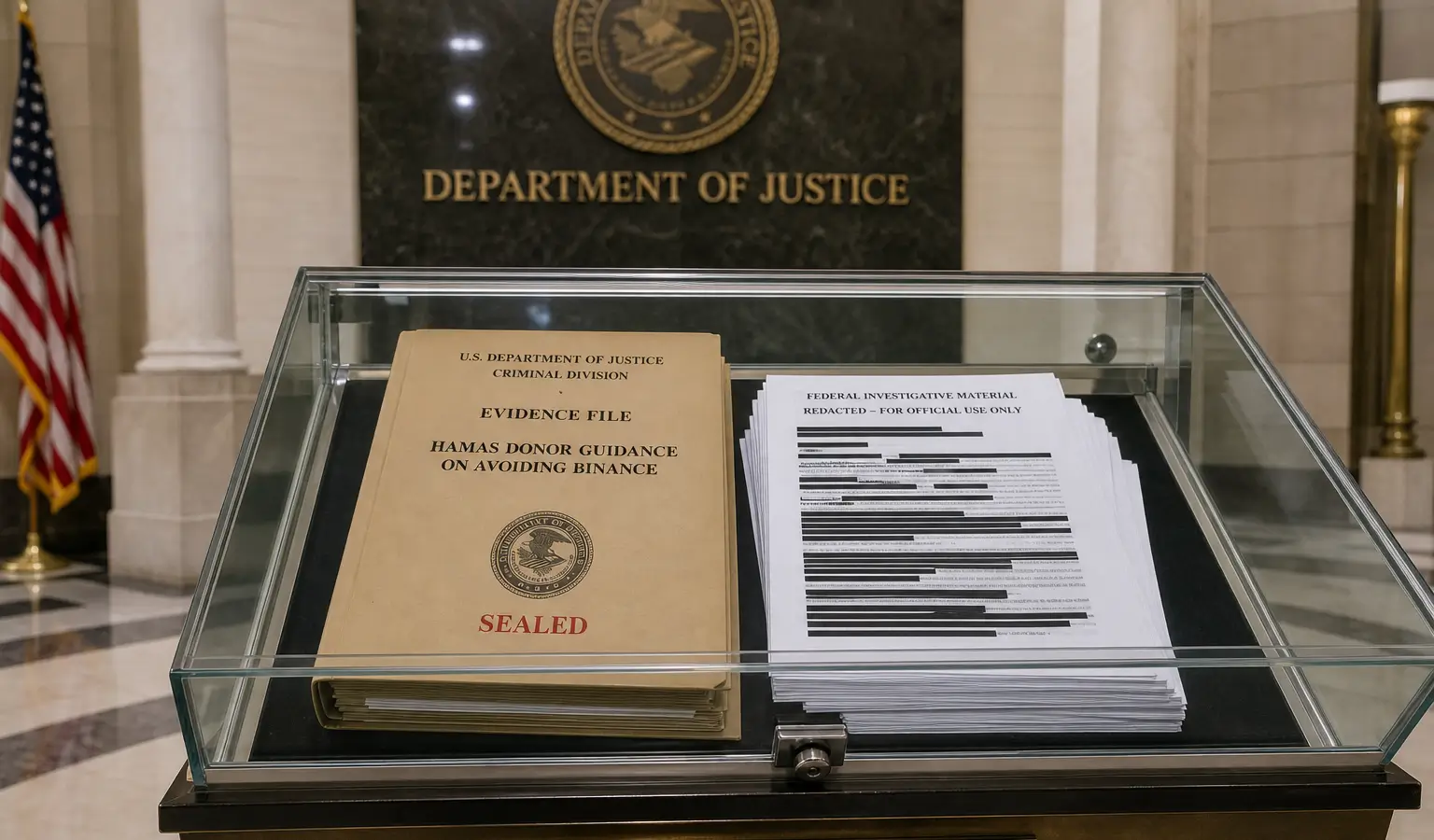
Tether’s USDT is under fresh pressure as the U.S. stablecoin law GENIUS pushes the market toward tougher rules. Unless Tether makes significant changes to its structure, the largest stablecoin by volume could lose access to U.S. crypto platforms within two years.
Deadline for Stablecoins
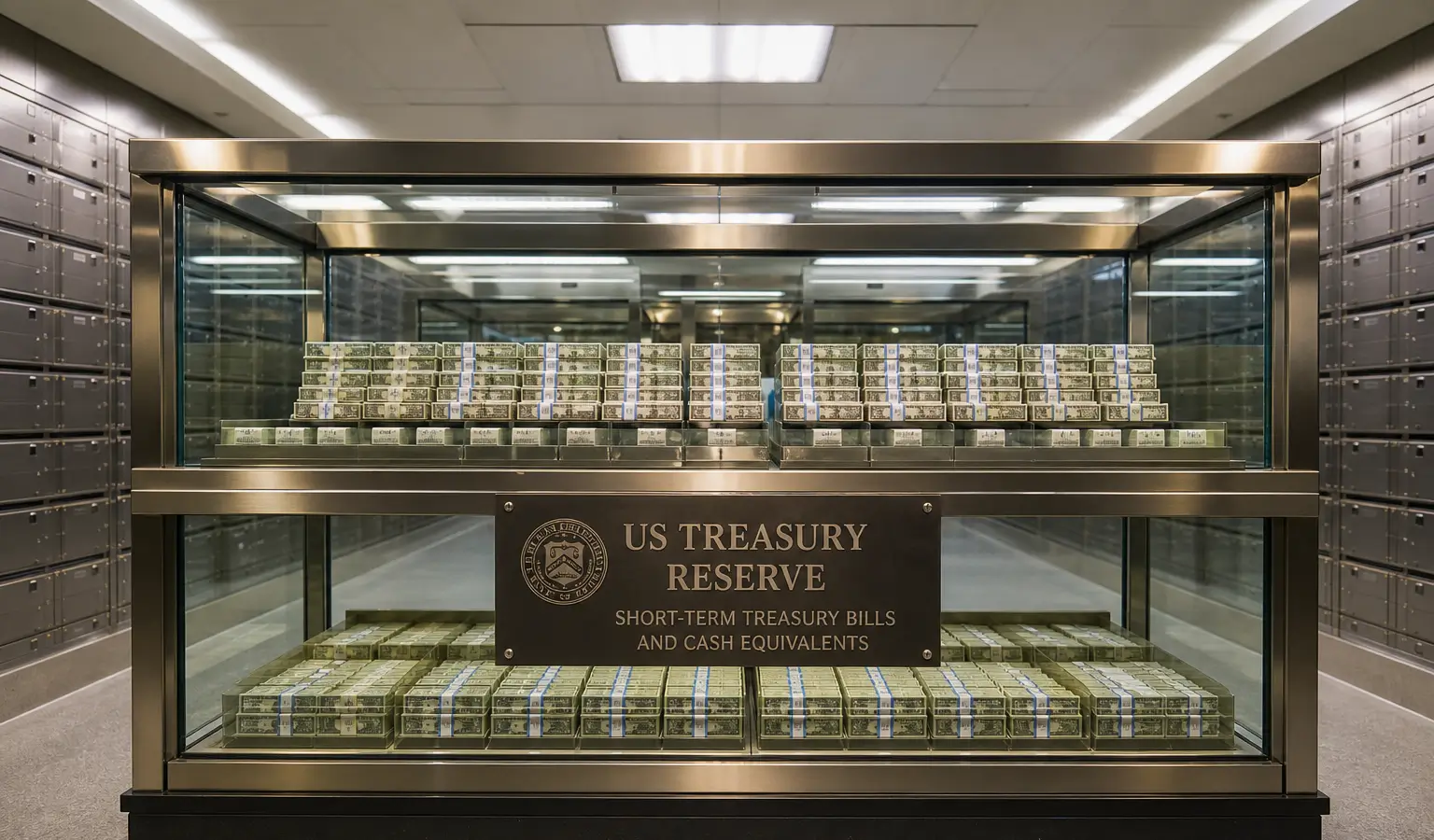
The law, signed a year ago by President Donald Trump, gives payment stablecoin issuers a transition period, but that clock is now clearly ticking down. Under the current reading, issuers will eventually need to be backed entirely by highly liquid, dependable assets such as cash and U.S. Treasuries. Tether said in its latest disclosures that as much as a quarter of its reserves may still sit in assets that do not meet those standards, including precious metals, loans, and Bitcoin.
That makes the USDT debate even more sensitive. Tether CEO Paolo Ardoino said last year that the company would comply with U.S. requirements, but there has still been no clear move toward GENIUS compliance. At the same time, Tether launched USAT this year, a token built with U.S. standards in mind and issued through Anchorage Digital, although adoption so far has been limited. The market is adding to the pressure as well: the stablecoin market recently posted a sharp decline, led by USDT and USDC.
Rules Are Lagging Behind
The timeline is still murky. The law includes a three-year transition period, but lawyers disagree on whether foreign issuers like Tether get the same runway as U.S. firms. Some expect the deadline to land in July 2028, while others think foreign issuers may have to meet certain requirements much sooner once the law fully kicks in, likely in January.
Regulators also have not finished writing the implementation rules. So while companies know where the law is headed, they still do not know exactly what will be locked in. For foreign issuers, there is also a major operational hurdle: registering with the Office of the Comptroller of the Currency, having their home regime recognized as comparable, and keeping reserves at a U.S. financial institution.
What This Means for European Readers
For European crypto readers, this matters because U.S. stablecoin policy often shapes the wider market. If major platforms change how they handle listings, that could affect which tokens keep the most trading volume and liquidity around the world. It also shows how quickly stablecoin issuers may need to adapt to a system where compliance, reserve quality, and oversight matter more than market share alone.