This Week Will Be Important for Bitcoin and Crypto
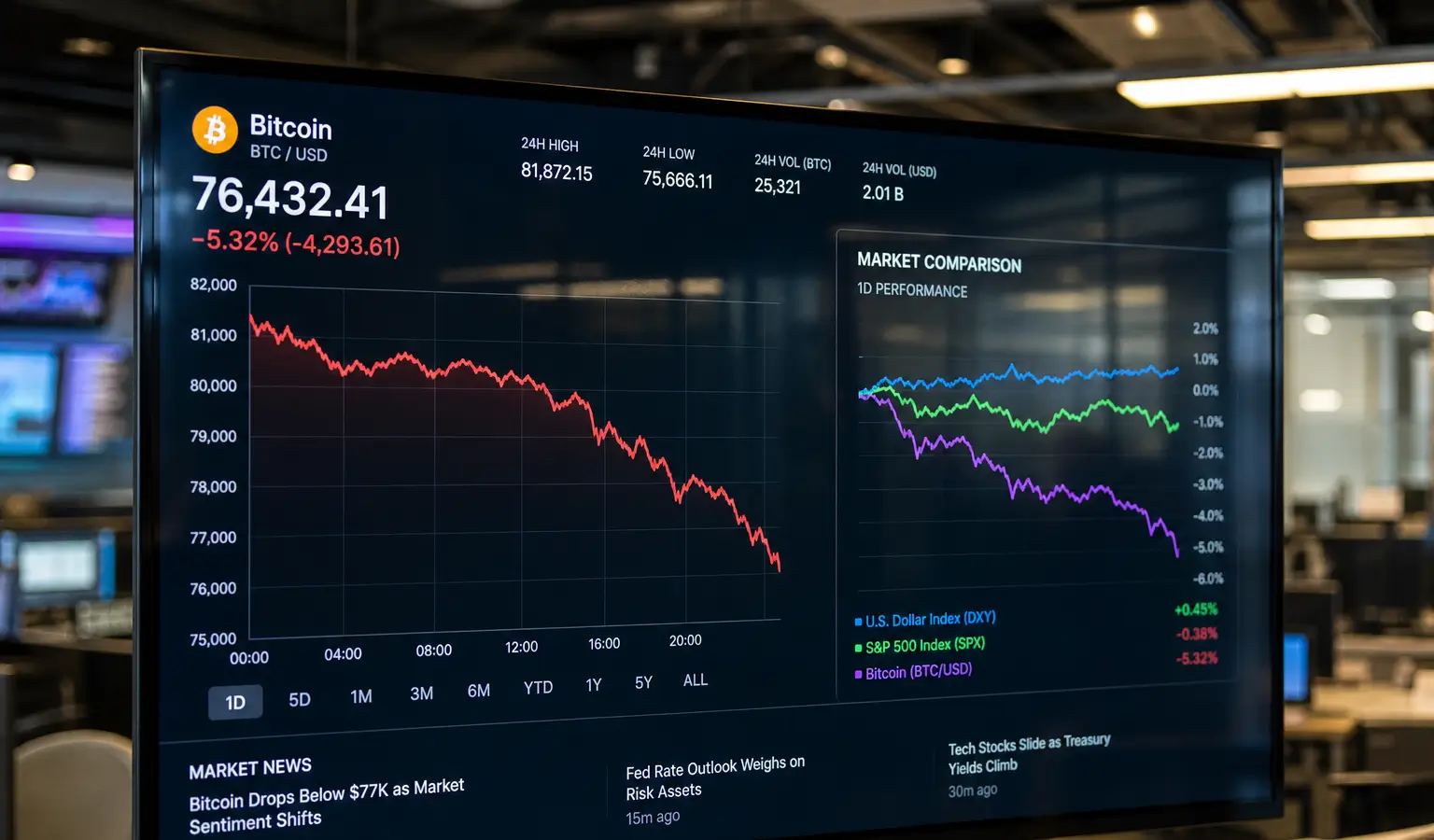
Bitcoin's price has held up relatively well despite a heavy sell-off in global financial markets.

Bitcoin's price has managed to hold up relatively well despite a heavy sell-off in global financial markets. Still, BTC had to briefly give up the $80,000 level before the close of the trading week. The market cap of the altcoin sector mirrored the weak trajectory of the Nasdaq-100, the US tech index, which fell about 11% in the second half of the week, and also declined in double digits. Given that tech giants like Apple and Nvidia dropped roughly 16% in just two trading days, the price weakness of big altcoins such as Solana (SOL), Ethereum (ETH), and Ripple (XRP) isn’t all that surprising. As the new trading week starts, investors will mainly be watching the latest US inflation data (CPI). Read this overview to see what other key economic data are on the calendar this week.
The key economic figures of the week
The second trading week of April kicks off with the release of the minutes from the latest Federal Reserve rate-setting meeting on Wednesday evening. On Thursday, the CPI consumer price index for March follows. And on Friday, the economic week wraps with producer prices, followed by consumer confidence and inflation expectations of American households, measured by the University of Michigan. Investors are also eagerly awaiting the first-quarter results from the US corporate season, with heavyweights like JPMorgan Chase, Wells Fargo, Morgan Stanley, and asset manager BlackRock set to report results.
FOMC minutes midweek
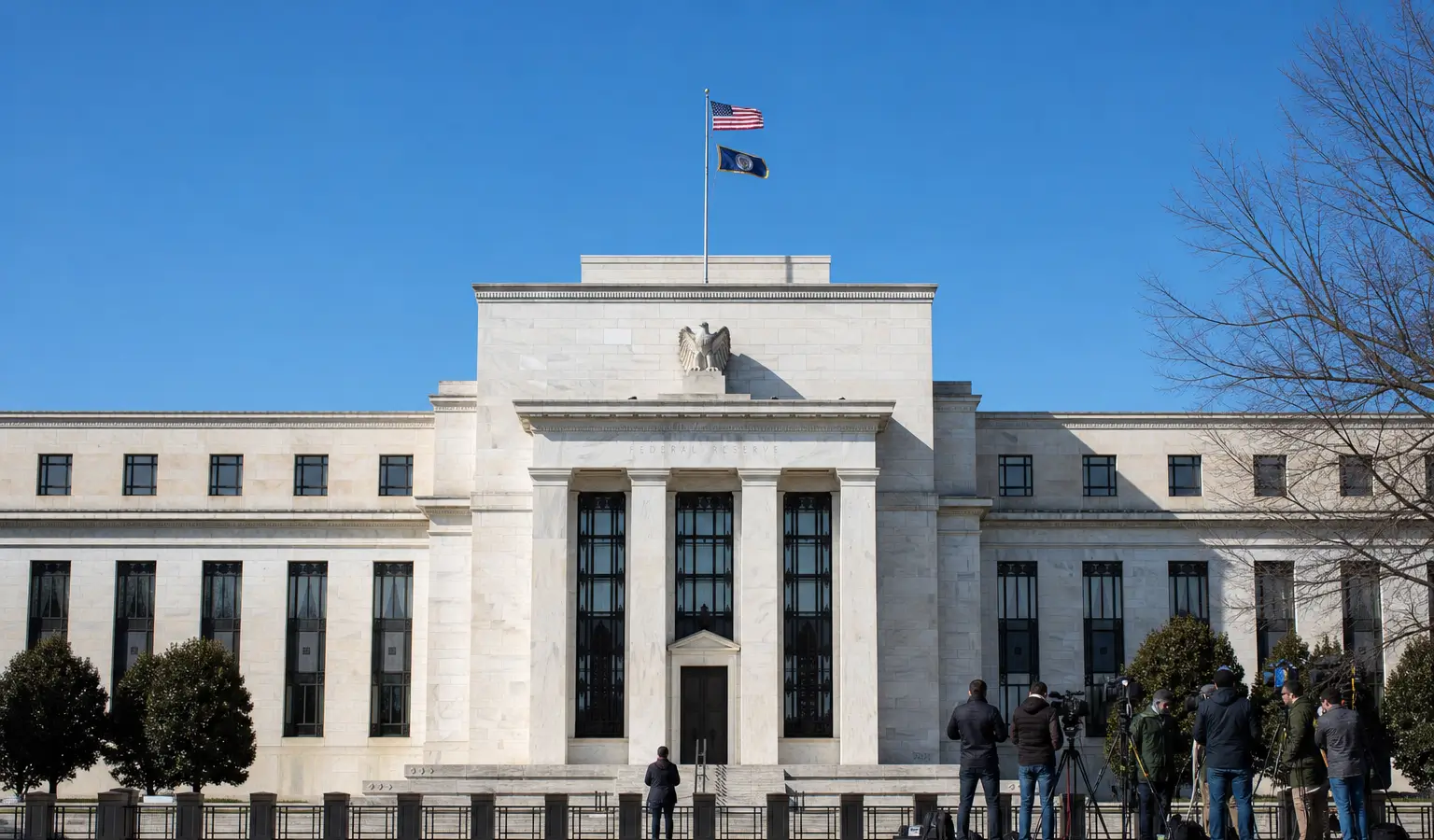
Wednesday, April 9, 2025 – 20:00 CET The Federal Reserve will publish the minutes of its March 19 policy meeting. Investors are hoping for further clarity on future interest-rate policy, especially after Chair Jerome Powell’s recent dovish speech. Although Powell explicitly said on April 4 that cuts aren’t on the table for now, the odds of a US recession rose to 60% according to the betting market Polymarket, helped by rising global trade tensions. If the economy worsens, the Fed could feel compelled to cut rates and take stimulus steps. At the same time, inflation risks are mounting, helped by higher US import tariffs.
According to the CME FedWatch Tool, market participants now expect up to 4.5 rate cuts in 2025. About 33% even anticipate the first cut at the next Fed meeting on May 7. The evolution of inflation data and the US labor market will be decisive for the Fed's future policy. New signals from the minutes could further fuel the already high volatility in financial markets.
US consumer prices on Thursday
Thursday, April 10, 2025 – 14:30 CET The US Bureau of Labor Statistics will release the CPI for March. In February, consumer prices rose 2.8%, just below the 2.9% expectation. For March, analysts expect another drop to 2.6% year over year. If this forecast is met or beat, it could give the Fed some room for quicker rate cuts. That could spark a rebound in US stocks—and the crypto market, including Bitcoin, could benefit.
But if inflation comes in higher than expected, that’s a clear warning sign for the Fed. The probability of rapid rate cuts would decline. Persistently high prices would be read as negative by investors, potentially leading to more selling pressure in both stocks and crypto markets.
Producer prices on Friday
Friday, April 11, 2025 – 14:30 CET The latest Producer Price Index (PPI) for March will be released. The previous reading was 3.2%, below the 3.3% expected and the lowest since November 2024. Analysts now expect a slight uptick back to 3.3%. If producer prices come in below expectations again, that could reassure investors and trigger a short rally in equities and crypto.
But if prices rise and the readings beat forecasts, that could point to a impact from the new US import tariffs on production prices since March. Inflationary pressure could rise again. The substantial tariffs on goods from China, the EU, and other trading partners, along with announced countermeasures, increase the risk of a negative price spiral. Risky assets like crypto would stay under pressure.
Consumer sentiment and inflation expectations close the week
Friday, April 11, 2025 – 16:00 CET The University of Michigan will publish the preliminary April figures for consumer confidence and inflation expectations. In March, consumer confidence came in at 57.0, the fifth month in a row below expectations. For April, a drop to 54.0 is expected. If this is met or beaten, it would signal a further decline in consumer confidence. That would put extra pressure on both US stocks and the crypto market.
Inflation expectations for the next 12 months will also be released. The last reading was 5.0%, a notable rise from 4.3% previously. Worries about higher prices in the future, fueled by US tariffs, continue to grow. If this expectation rises again, it could lead to more cautious buying by consumers, adding strain to the domestic economy.
A decline in these inflation expectations would, on the other hand, be a positive signal and could pave the way for a recovery toward the end of the week.
Conclusion The coming week centers on US inflation indicators, central bank policy, and the first-quarter results from major financial institutions. For Bitcoin and the broader crypto market, that means: all eyes on macro data. Depending on the data, the market could recover—or slide further.