Trump Cancels Iran Strikes, Oil Prices Fall, and Bitcoin Rebounds Above $63,300
The canceled strikes are pushing oil prices lower, while Bitcoin is rebounding above $63,300. But markets are still sensitive to the deal with Iran, which has not been signed yet.

Key Takeaways
- Trump canceled planned strikes on Iran after a deal backed by Iranian leaders and allies.
- Oil prices quickly dropped from above $92 to around $88 per barrel after the news.
- Bitcoin bounced back from around $62,460 to above $63,300, while uncertainty over the deal remained.
President Donald Trump canceled the planned military strikes on Iran after a deal approved by Iran's top leaders and supported by eleven regional and allied groups. This unexpected turn sent oil prices sharply lower and pushed Bitcoin back above $63,300 (€54,900).
Impact on Oil Prices and Geopolitics
Oil prices in the United States fell from above $92 (€80) to around $88 (€76) per barrel within an hour and a half after Trump announced the news. That drop reflects the war premium coming out of the market. At the same time, the U.S. naval blockade of Iran remains in place until the deal is officially signed. The blockade includes the Strait of Hormuz, a critical passage through which about 20% of global oil trade flows. It is still unclear when and where the deal will actually be signed.
Bitcoin Rebounds Despite Uncertainty
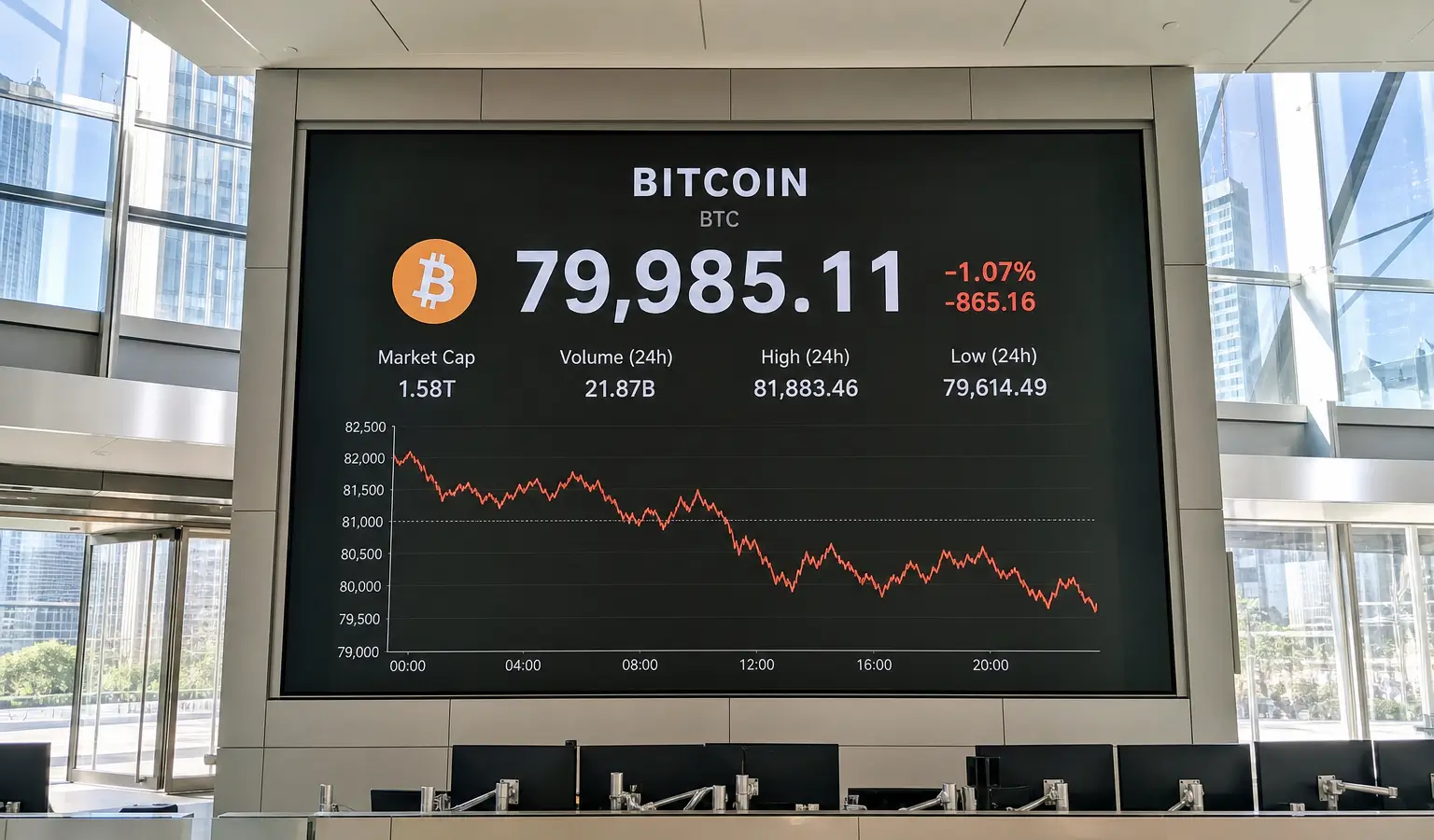
Bitcoin recovered after dropping to around $62,460 (€54,100) and climbed back above $63,300 (€54,900), just below the $64,000 (€55,500) level. This move fits the pattern of sharp price swings tied to geopolitical tensions around Iran. Earlier, the same buildup in tension had already pushed oil prices higher and caused a brief pullback in Bitcoin. Even though Bitcoin is sometimes seen as an alternative store of value, its link to traditional safe havens like gold is still limited. Bitcoin's volatility during conflicts shows that it is not a guaranteed shield against geopolitical risk.
Why This Matters for European Investors
For European crypto investors, this development may point to the ongoing impact of international political events on both traditional commodity markets and crypto markets. The absence of an immediate military escalation may calm markets for now, but the ongoing blockade and uncertainty around the deal keep the situation fragile. It also highlights how important geopolitical factors are in pricing both oil and Bitcoin, which still matters for risk management and trading strategies in Europe.