Ukraine Places $8.3 Million in USDT Under State Control
ARMA is now directly managing a state wallet holding seized Tether for the first time. The case involves an alleged international hacking group and money laundering through real estate and cars.
Key Takeaways
- Ukraine has placed more than $8.3 million in seized USDT under state control.
- ARMA now has direct control of the wallet, but final forfeiture still depends on a court conviction.
- The tokens are tied to a case involving an alleged international hacking group that authorities say caused more than $100 million in damage.
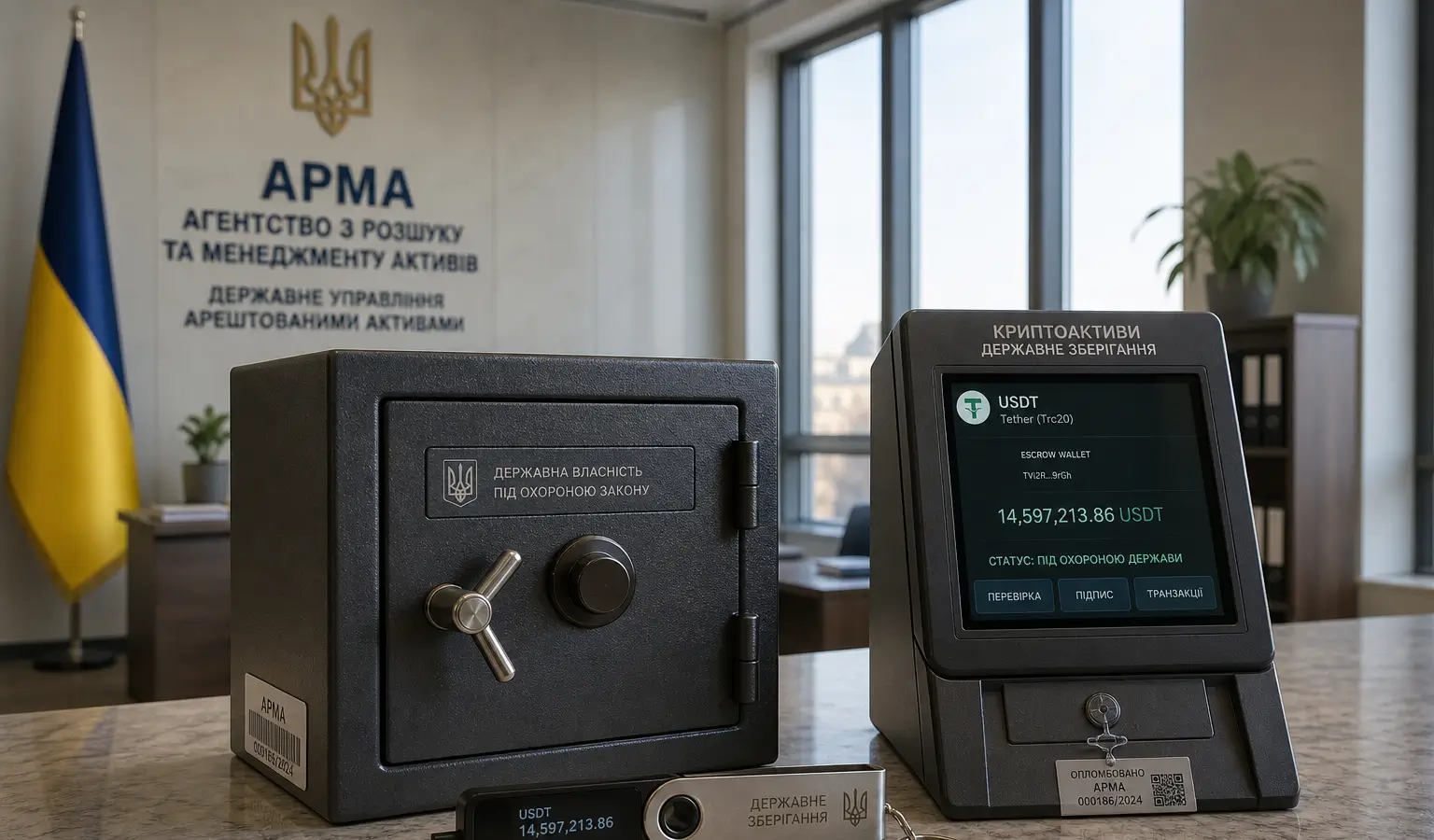
Ukraine has put more than $8.3 million (€7.3 million) in seized crypto under state control, marking the first time the country has moved confiscated digital assets directly into a state-managed wallet. The assets are Tether (USDT), and the transfer gives Kyiv a new way to handle crypto seizures.
Money From a Hacking Case
Prosecutors say the funds came from wallets connected to an alleged member of an international hacking group. At the time of the transfer, the USDT was worth more than 372 million Ukrainian hryvnia. According to the authorities, the group targeted victims and companies in Europe and the United States.
The case also reflects a wider pattern of stablecoin-driven crypto crime. Investigators say the group stole sensitive data, demanded ransom, and then laundered the proceeds in Ukraine through real estate and cars. Authorities estimate the total damage at more than $100 million (€87.7 million). Four suspects, including the alleged organizer, remain in custody.
ARMA Gets Direct Control
So far, seized tokens in Ukrainian cases were usually frozen rather than actively managed by an agency. This transfer changes that: ARMA, the National Agency for Finding, Tracing, and Management of Assets, now has direct control of the wallet. That still does not amount to final forfeiture, since a court conviction is required first.
The move also fits into Ukraine’s broader asset management reforms. Since early 2025, ARMA has been working on legislation designed to bring the rules closer to EU guidelines and make the management and recovery of seized assets more efficient. That reform effort was part of the conditions tied to hundreds of millions of euros in European support.
Why This Matters
For European crypto watchers, the main point is that a government is now directly managing a wallet holding seized crypto for the first time. That could shape how states handle stablecoins and other tokens in criminal cases, especially because Tether is relatively easy to value and seen as a more stable asset. At the same time, the case is a reminder that crypto laundering often runs alongside traditional assets like real estate and vehicles, which makes enforcement more difficult.