
UNI Hits Record High on Exchanges as Whales Keep Buying
CryptoQuant sees a record supply of UNI on centralized exchanges, especially on Binance, while new whales keep withdrawing tokens. The tension comes as Uniswap’s CME futures plans and fee switch add to the mix.
Key Takeaways
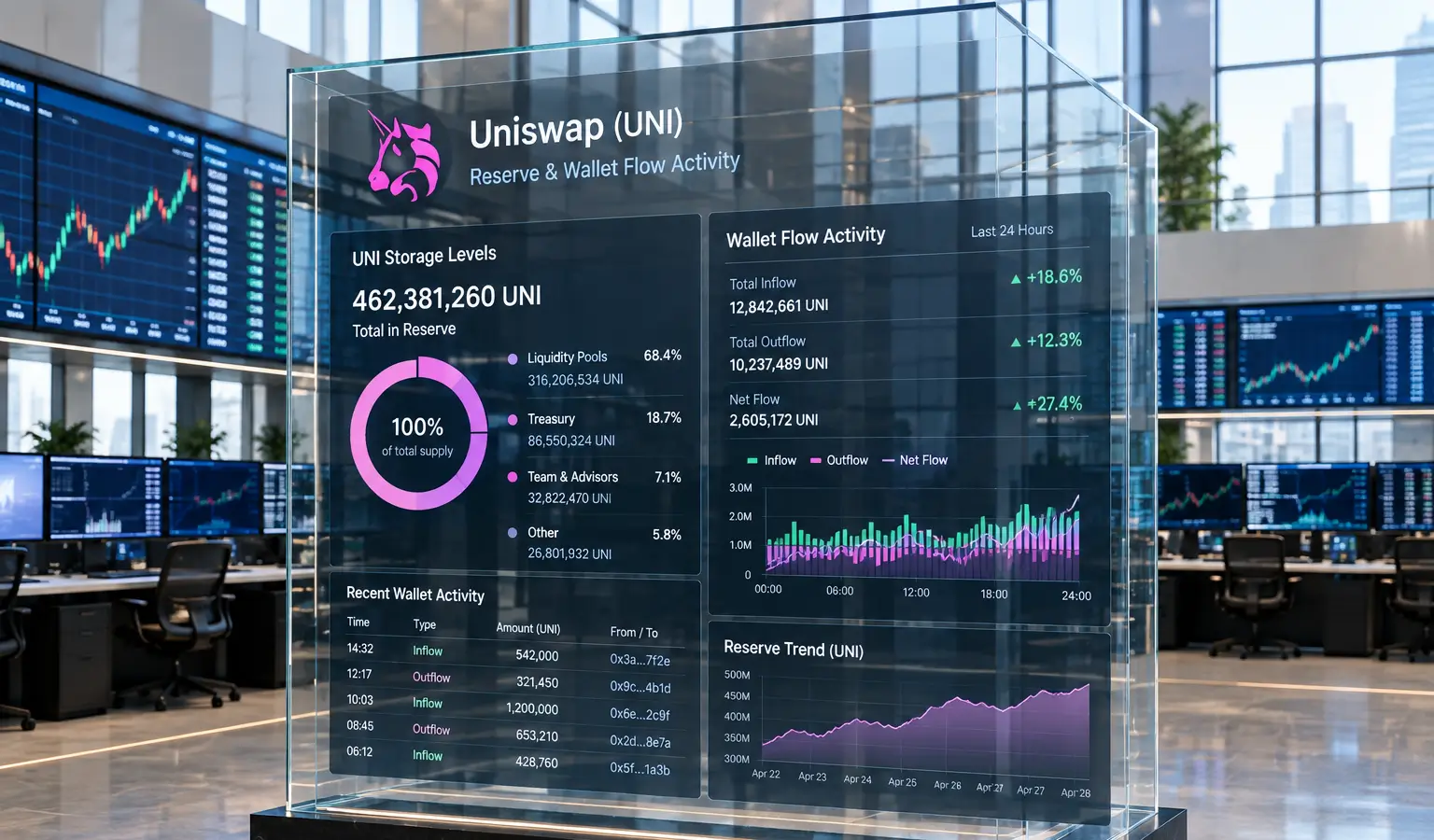
- The UNI supply on centralized exchanges rose to 113.9 million tokens, the highest level since CryptoQuant started tracking it in 2020.
- Large wallets keep pulling UNI off exchanges, while Binance received millions of tokens and one wallet sold 788,000 UNI.
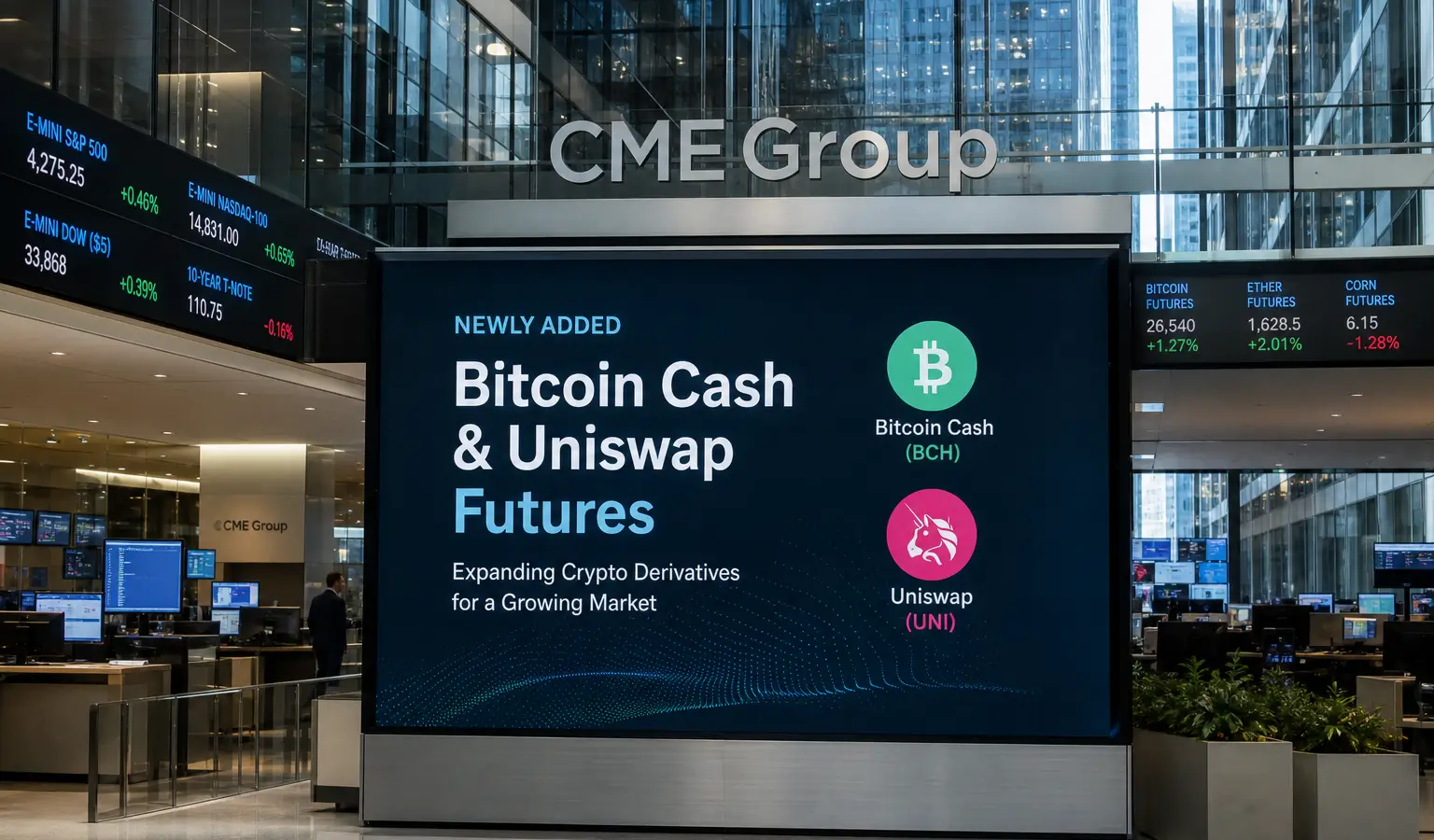
- UNI rose 11.9% on Wednesday after CME futures plans, but then fell back with the market and is still up more than 113% on the month.
Uniswap token UNI is sitting at a record amount on centralized exchanges, while large wallets keep withdrawing tokens. According to CryptoQuant, the balance on exchanges climbed to 113.9 million UNI, the highest level in the data set. At the same time, the price swung hard this week: UNI rose 11.9% on Wednesday after plans for CME Group futures, but slipped back on Thursday along with the broader market. Over the past month, the token is still up more than 113%.
Exchanges Are Filling Up
The 113.9 million UNI is the highest level since CryptoQuant started tracking it in late 2020. The buildup did not happen all at once, but in steps since early 2024. In August, the balance was still around 100 million tokens.
Binance holds a big chunk of that supply. The exchange held more than 73 million UNI on September 23. Analyst CryptoOnchain reported that Binance received 2.6 million UNI on September 18 and another 1.89 million on September 22.
That increase lines up with a period when the market also saw more activity around UNI. According to CryptoQuant, rising exchange reserves and higher active addresses came together at moments that have often come before more selling pressure, although that does not automatically say anything about the next price move.
Whales Are Pulling UNI Out
On the other side of the market, large wallets keep pulling UNI off exchanges. Earlier this week, three newly created addresses accumulated a total of 782,130 UNI, worth $6.97 million (€6.1 million). Two of them withdrew a combined 652,129 UNI from Binance, Gate, Bybit, and OKX. A third wallet received 130,000 UNI from Galaxy Digital. Another address bought 269,477 UNI worth $2.84 million (€2.5 million).
Not everyone is buying. Wallet 0xA799 sold 788,000 UNI for $8.85 (€7.76) per token, less than a week after that same wallet bought at $6.26 (€5.49). The sale brought in about $2.04 million (€1.8 million) and is almost equal to the combined purchase of the three new wallets.
Fee Switch Adds Extra Context
The tension around exchange supply comes against a broader backdrop of more activity on Uniswap itself. In December 2025, Uniswap activated the UNIfication proposal, where a fee switch sends part of trading fees into a revenue pool. That creates a mechanism that looks a bit like a buyback, although the effect still depends on trading volume on the protocol.
A burn of 100 million UNI was also announced then, about 10% of the total supply. At the same time, the recent burn is still small compared with the inflow to exchanges. Uniswap burned 184,000 UNI on September 4, of which 150,000 came from Robinhood Chain. Binance alone added about 14 times as much UNI to its supply on September 18.
For European crypto followers, this matters because it shows how DeFi tokens move not just on market sentiment, but also on exchange supply, wallet behavior, and protocol rules. With UNI, those three factors are all coming together right now, which makes the token extra sensitive to fast shifts in liquidity.