U.S. and Iran Reach 60-Day Roadmap Deal, Markets Set to Open Monday
The talks produced a 60-day roadmap, with agreements on security and shipping. That could calm markets on Monday, but the deal still looks fragile.

Key Takeaways
- The U.S. and Iran reached a roadmap in Switzerland for a final deal within 60 days.
- The deal includes a High-Level Committee, working groups, and a communication link for security in the Strait of Hormuz.
- The development could push oil prices lower and support market sentiment, including crypto, while the Federal Reserve remains a key factor.
The first round of high-level talks between the United States and Iran ended Monday in Switzerland with a major confirmation: there is now a roadmap for a final deal within 60 days. The development, laid out in the Islamabad Memorandum of Understanding, brings some clarity after worries about a possible escalation that could have hit markets hard on Monday.
Diplomatic Progress and Security Measures
The joint statement from the mediators from Qatar and Pakistan highlights the creation of a High-Level Committee to provide political oversight. In addition, working groups have been set up to focus on nuclear energy, sanctions, and dispute resolution. A key part of the plan is the communication link meant to prevent incidents and ensure the safe passage of shipping through the Strait of Hormuz. This strait is a vital part of the global oil supply, with about 20% of the world's oil passing through it every day. Setting up a deconfliction cell between the U.S., Iran, and Lebanon is meant to end military operations in that region.
Market Impact and Risks
Confirmation of these mechanisms removes the sharpest concerns that could have dominated markets on Monday. When the memorandum was announced on June 14, oil prices fell more than 12% and the Dow Jones hit a record high. The expectation is that a credible, institutional setup around the Strait of Hormuz could bring further relief to oil prices. That could, in turn, support stock markets by lowering energy costs, which may ease inflation expectations and improve earnings outlooks.
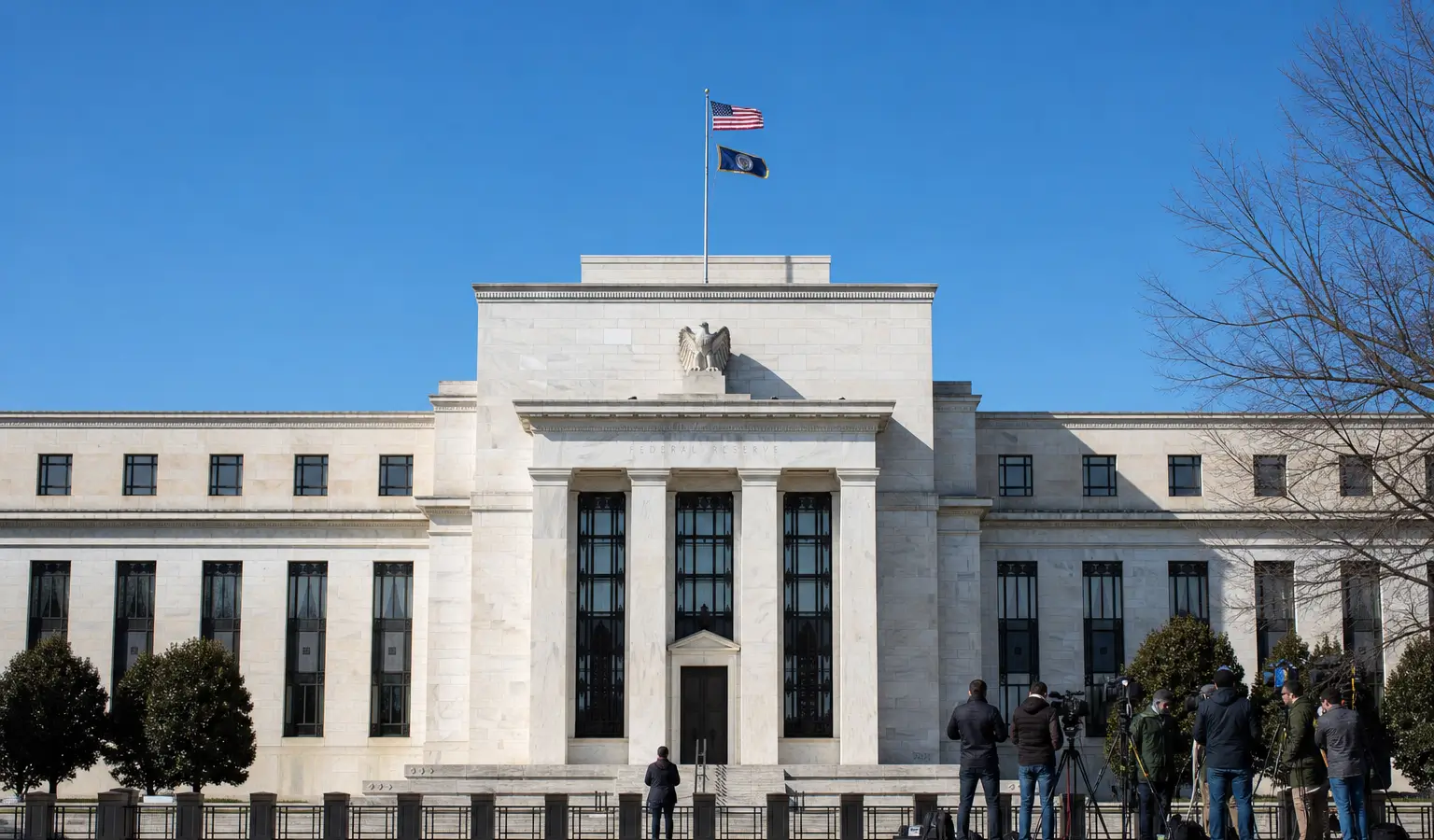
The crypto market is also watching sentiment closely. Bitcoin, which reacts strongly to geopolitical tensions, was holding around $64,200 (€56,000) ahead of the open. The Federal Reserve, however, remains a major factor, since its recent tight policy has erased earlier gains in stocks and crypto. The situation in Lebanon, where the deconfliction cell is active, is seen as a critical test of the deal. Any escalation there could quickly push investors toward risk-off mode, which could affect all asset classes.
Why This Matters for European Crypto Investors
For European crypto investors, this diplomatic development matters because geopolitical tensions usually affect risk sentiment and, in turn, the volatility of digital assets. A more stable situation in the Middle East could temporarily boost confidence in riskier assets like Bitcoin. At the same time, the Federal Reserve's monetary policy remains a key driver of market dynamics worldwide, including in Europe.