What does a Middle East crisis mean for Bitcoin?
Crypto expert Arthur Hayes shares grim predictions from his ski vacation in New Zealand.

Crypto expert Arthur Hayes shares grim predictions from his ski vacation in New Zealand. In his latest blog he explains what a further escalation of the Middle East conflict could mean for Bitcoin and crypto. His analysis focuses on a severe scenario: "The conflict between Israel and Iran escalates, leading to the destruction of part or all of the oil infrastructure in the Middle East, the closure of the Hormuz Strait and/or a nuclear attack." What would such a geopolitical shock mean for the crypto market? Could it spell the end of the next Bitcoin bull run?
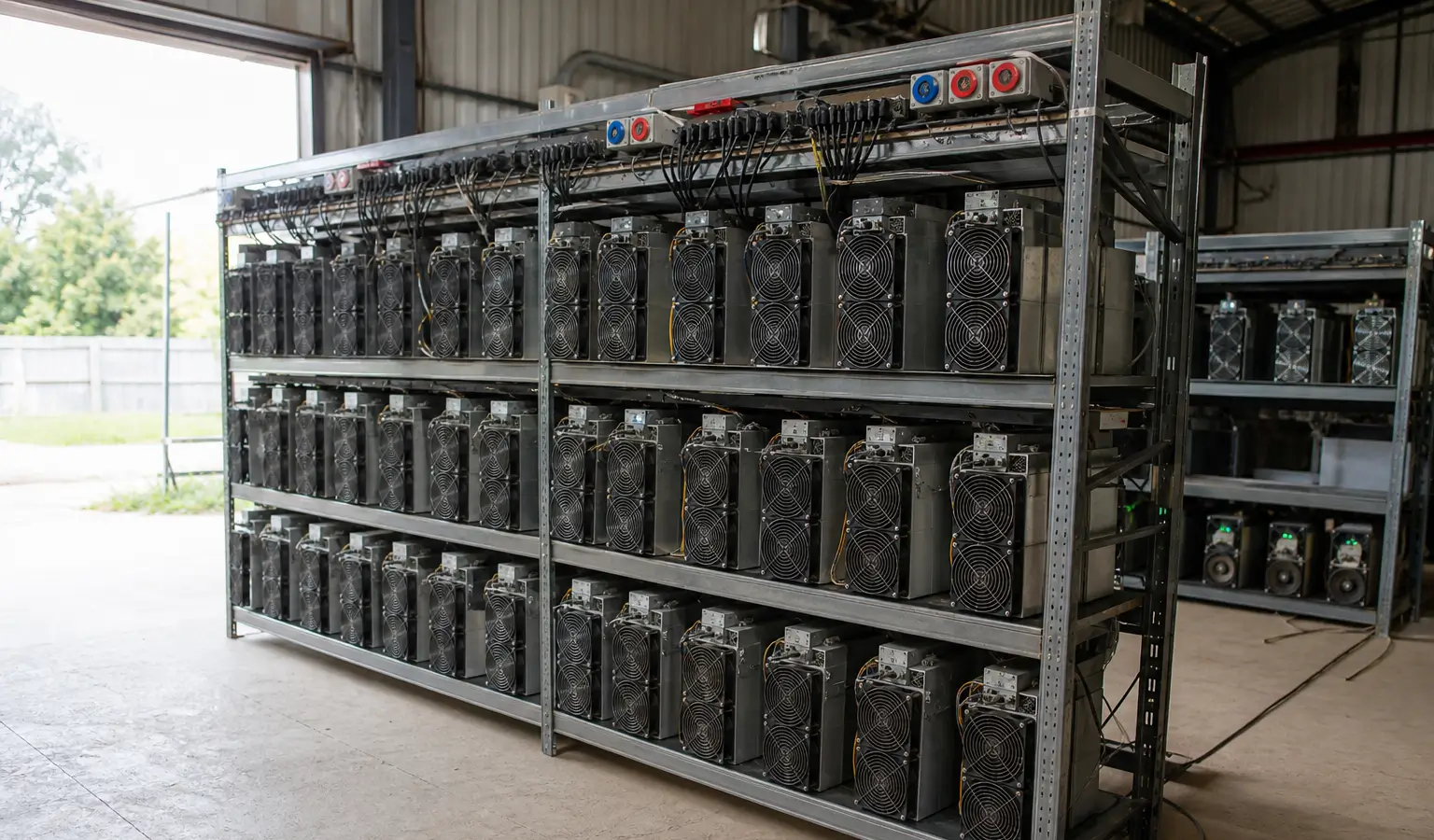
There are three main risks the crypto billionaire highlights. The first is the destruction of Bitcoin mining facilities, because: "War is physically destructive. Bitcoin mining rigs are the most valuable and important physical manifestation of cryptocurrency." According to some media reports, Iran accounts for up to seven percent of the world’s Bitcoin mining hash rate. Hayes, however, notes the resilience of the Bitcoin network, which recovered quickly after China banned mining in 2021. Therefore he writes: "Even the complete destruction of Iran by Israel or the U.S. would not affect Bitcoin."
War, inflation and Bitcoin as a safe haven
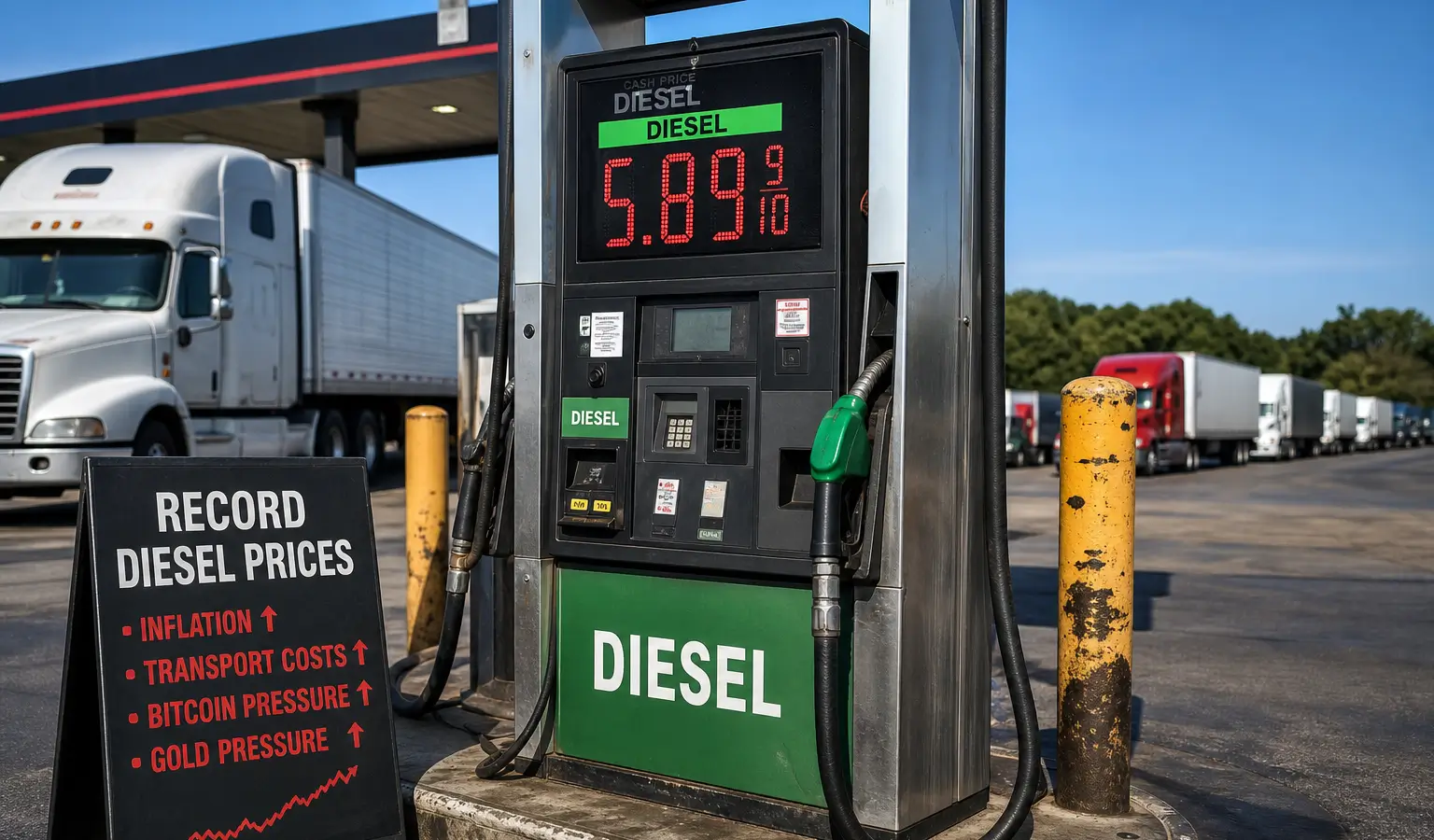
The second major risk is a sharp rise in energy prices. According to Hayes, if Iran wants to strike the West, it would need to target its strategic weak points and cause a shortage of cheap fossil fuels from the Middle East. This could happen by, for example, blocking the Strait of Hormuz for oil tankers, leading to a global surge in energy prices. Yet Hayes doesn’t see this as a threat to Bitcoin, but rather as a catalyst for a bull run.
To bolster his point, Hayes compares this scenario to the gold price move between 1973 and 1982. In October 1973, the Arab oil embargo began as retaliation for American support of Israel during the Yom Kippur War. In 1979, Iranian oil supplies were cut off from global markets by the Islamic Revolution. While global stock markets lagged, gold kept pace with oil and rose roughly 380%.
There’s a third risk, financial in nature. Hayes says it’s a given that the U.S. government will continue to support Israel financially and militarily, regardless of the election. But: "The U.S. government buys goods on credit, not from savings." This means the already sky-high national debt will have to rise to support that aid.
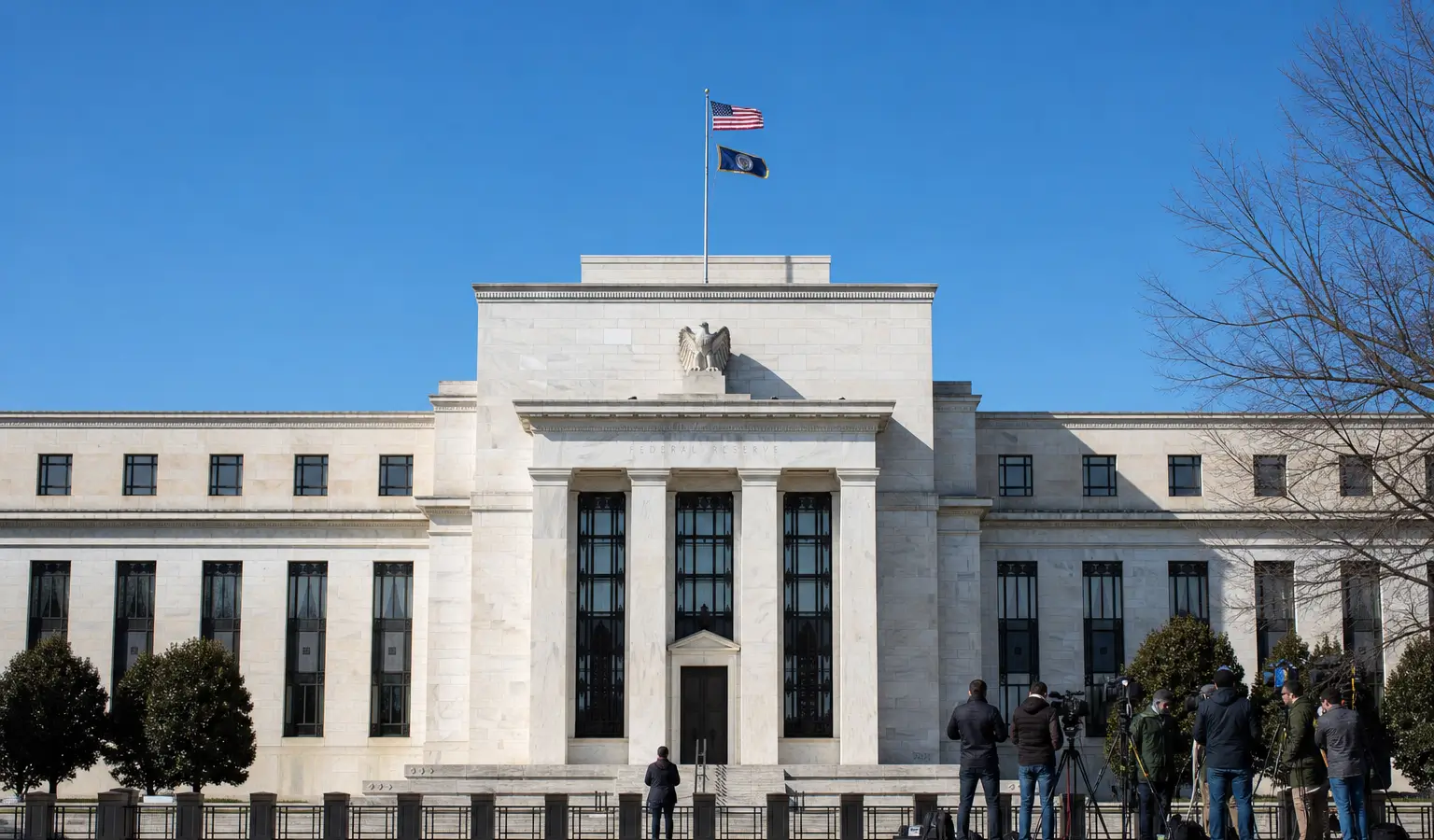
With foreign investor demand for U.S. Treasuries waning, someone else has to step in: "Just like after the 2008 financial crisis and the COVID lockdowns, the Fed’s balance sheet or the commercial banking system will explode higher to back up the increase in debt issuance."
Bitcoin benefits from higher money supply
While more short-term volatility is expected, Bitcoin could benefit strongly in the medium to long term. Hayes explains: "We know war is inflationary. We know the Fed and the U.S. banking system buy debt by printing money and expanding their balance sheets. So we also know Bitcoin in fiat terms will soar as the war escalates." Hayes argues that Bitcoin and other cryptocurrencies could ride an unprecedented bull run as hundreds of billions or even trillions of newly printed dollars enter the economy.

A similar conclusion was recently reached by BlackRock, the world’s largest asset manager, in a study published a few weeks ago. Still, Hayes warns investors: “Just because Bitcoin tends to rise over time doesn’t mean every shi*coin will share in the glory.” Altcoins, and especially memecoins, carry far higher risks than digital gold. His final advice is: “Protect yourself and your family, and invest your capital in something that outpaces fiat depreciation and preserves purchasing power for energy.”