ZachXBT Slams Hardware Wallets and Puts Ledger Under Pressure
ZachXBT says Ledger Live and other wallets are not suitable for large amounts, while recent incidents at Ledger and Trezor are fueling the self-custody debate.
Key Takeaways
- Crypto investigator ZachXBT says today’s hardware wallets are unreliable for signing transactions and storing large amounts.
- Ledger is taking the biggest hit, because he says Ledger Live gets changed too often, breaking features or needlessly changing the interface.
- The debate is getting more attention because of recent incidents at Ledger and Trezor, which show that software and user behavior also shape security.
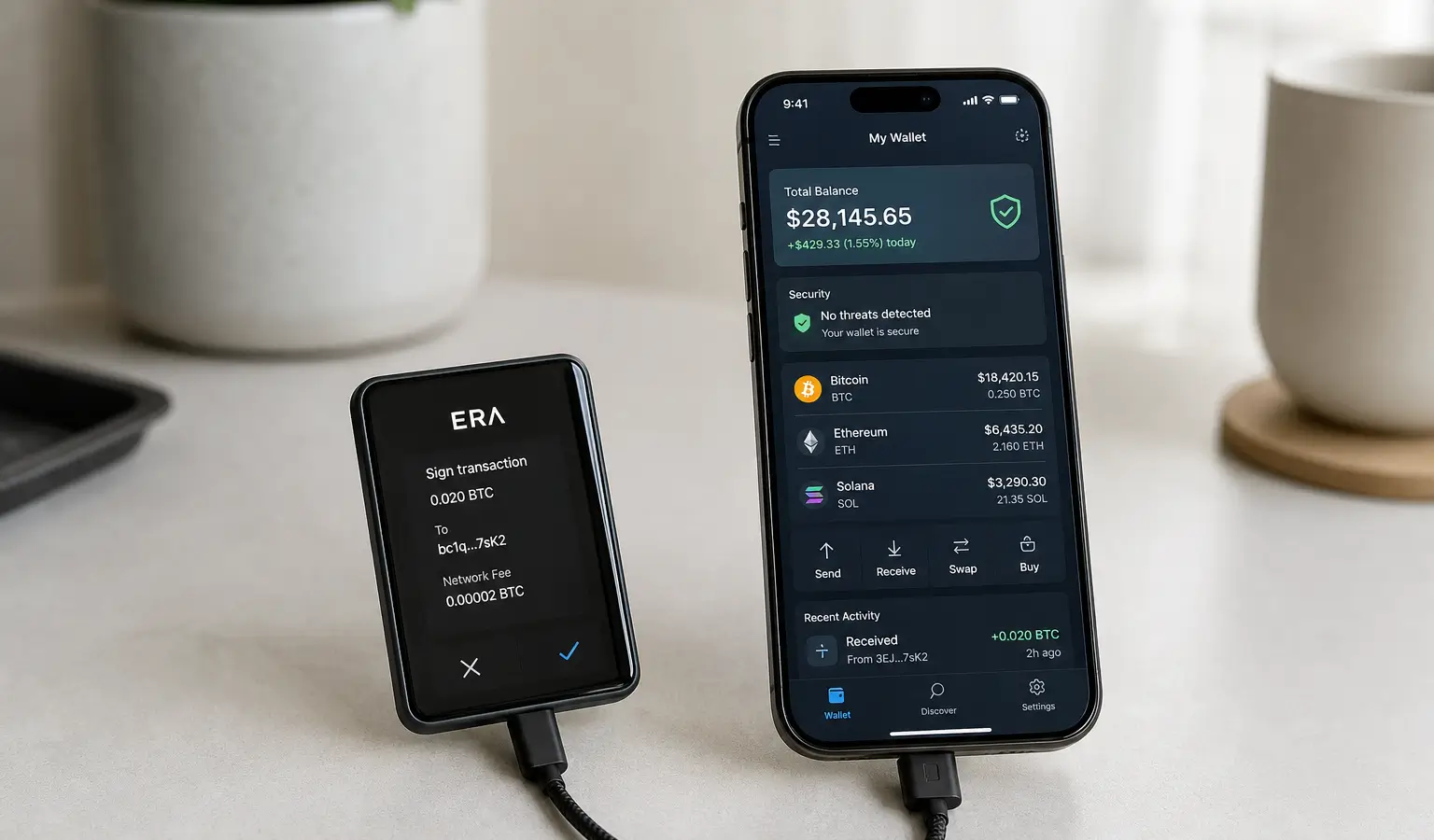
Crypto investigator ZachXBT took aim at hardware wallets on Thursday, arguing that most of the options on the market are not dependable enough for signing transactions or holding meaningful amounts. The criticism lands on a core crypto question: how secure is a hardware wallet if the device itself, or the software around it, starts creating problems?
Criticism of Security and Ease of Use
ZachXBT said every hardware wallet solution available right now comes up short on security and ease of use. In his view, that makes them a poor choice for high-value transactions. Instead, he suggested using a separate iPhone dedicated only to wallet purposes and removed from everything else.
He argued that this kind of setup would give users more control and fewer attack surfaces than a standard hardware wallet. He also added a blunt warning in his own words: “Only do this if you are not low iq.”
Ledger Gets the Most Heat
Ledger drew the sharpest criticism from ZachXBT. He pointed in particular to the frequent Ledger Live updates, saying they keep reshuffling the interface and apps for no real reason while also breaking basic features. The post quickly set off a discussion on crypto social media, with users chiming in about their own hardware wallet frustrations.
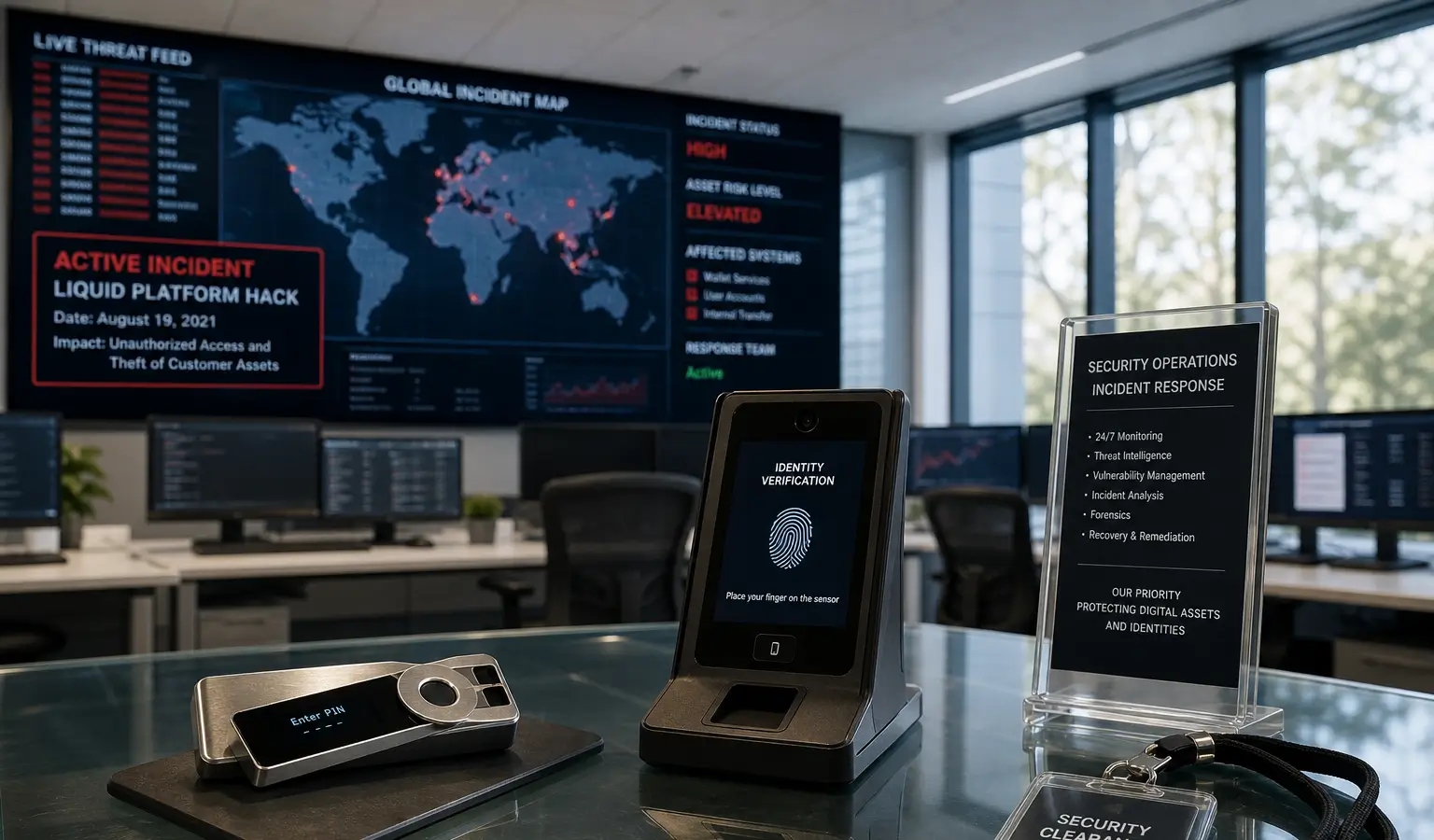
The timing makes the issue even more sensitive. In January 2026, Ledger suffered a data breach that exposed about 270,000 customer records, though no private keys or seed phrases were lost. Trezor also came under scrutiny in June 2026 after a vulnerability in the TROPIC01 chip of the Safe 7, although the company and Tropic Square said the flaw does not result in lost funds because only one of the three security layers was affected. More broadly, the episode fits a pattern where not just code, but also key management and operational mistakes are proving to be the weak point; a recent analysis also showed this in the damage caused by compromised private keys.
Why This Matters
For European crypto users, the debate matters because hardware wallets are often treated as the default tool for self-custody. But the recent run of incidents also shows that security depends on more than just the device itself. Software, the supply chain, and user behavior all play a role in the final outcome. That could push more people toward alternatives, such as separate signing devices or stricter operational hygiene.