Crypto security
Crypto security means protecting crypto, crypto wallets, and crypto services from theft, loss, and unauthorized access. It involves both technology and careful user behavior.
What is crypto security?
A crypto wallet uses a private key: a secret key that lets you approve transactions. Whoever has this key can generally access the crypto associated with it. So never share your private key.
Many wallets also have a recovery phrase. You can use it to restore your wallet. Keep it secret and make sure you don’t lose it. With self-custody, there’s generally no central party that can restore your access.
You can protect accounts with crypto services using a unique password and two-factor authentication, among other measures. However, this won’t help if someone has stolen your private key or recovery phrase.
A simple example of crypto security
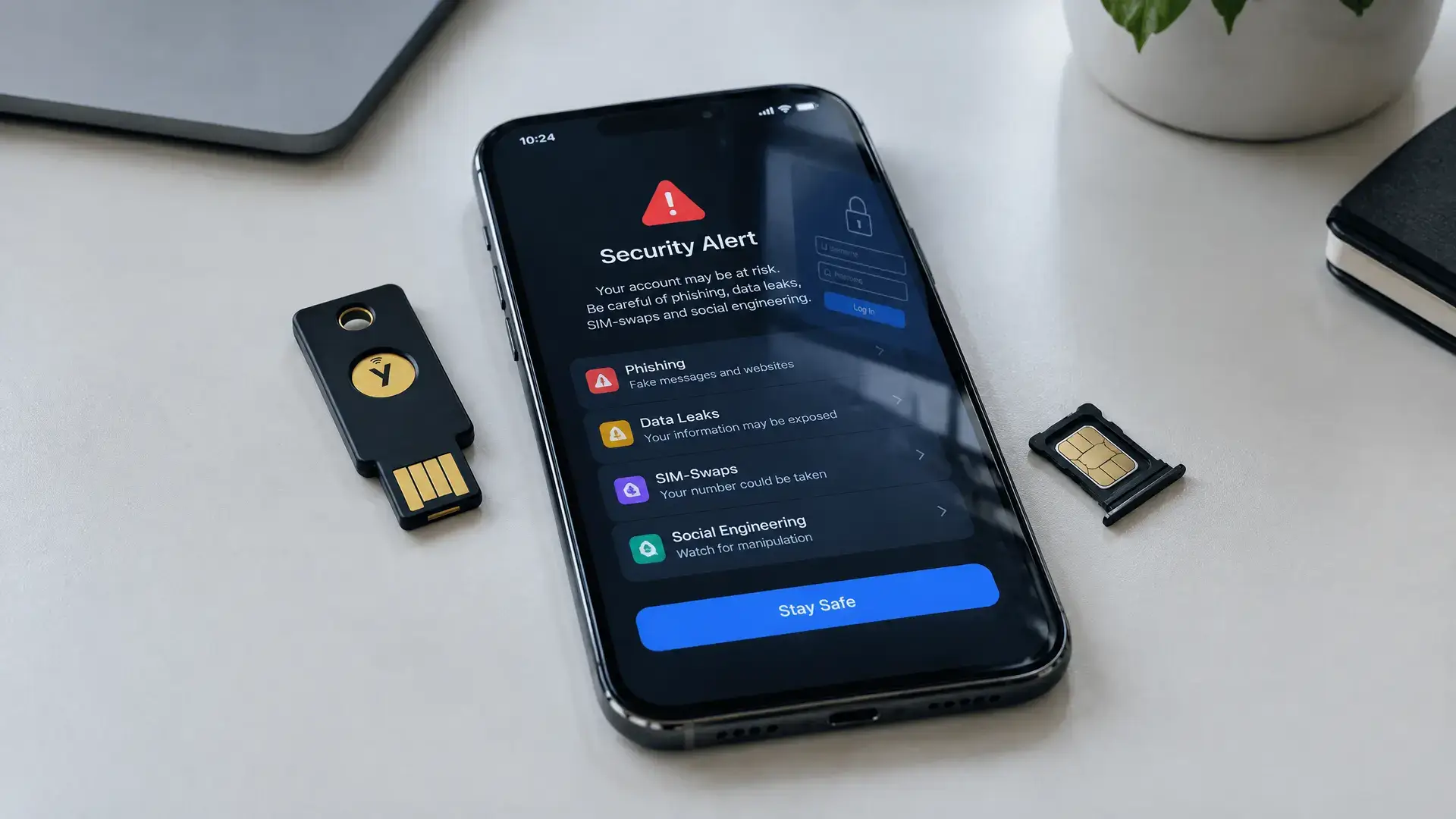
You get a message that looks like it came from your wallet provider. It asks for your recovery phrase. This could be phishing: a fake message designed to get sensitive information.
If you enter your recovery phrase, an attacker could restore the wallet and transfer the crypto. Never sharing your recovery phrase helps prevent this attack.
Why is crypto security important in crypto?
Crypto transactions are generally difficult to reverse once they’re confirmed. That’s why it’s important to prevent unauthorized transactions as much as possible.
Crypto security often comes up in news about hacked trading platforms, stolen wallets, and phishing. Bugs in smart contracts, programs that run on a blockchain, can also lead to security issues.
A well-secured blockchain doesn’t automatically make every crypto wallet, service, or application safe. A hardware wallet also doesn’t offer complete protection if you approve a harmful transaction yourself.