Staking and Mining
Staking and mining are two different ways to help secure a blockchain. Participants may receive rewards for doing so, but those rewards aren’t guaranteed profits.
What are staking and mining?
A blockchain is a shared digital record of transactions. New transactions are collected into blocks. The network has to check which blocks are valid.
With mining, miners use computer equipment to perform calculations over and over. This is called Proof of Work. The miner who finds a valid new block may receive a reward and transaction fees.
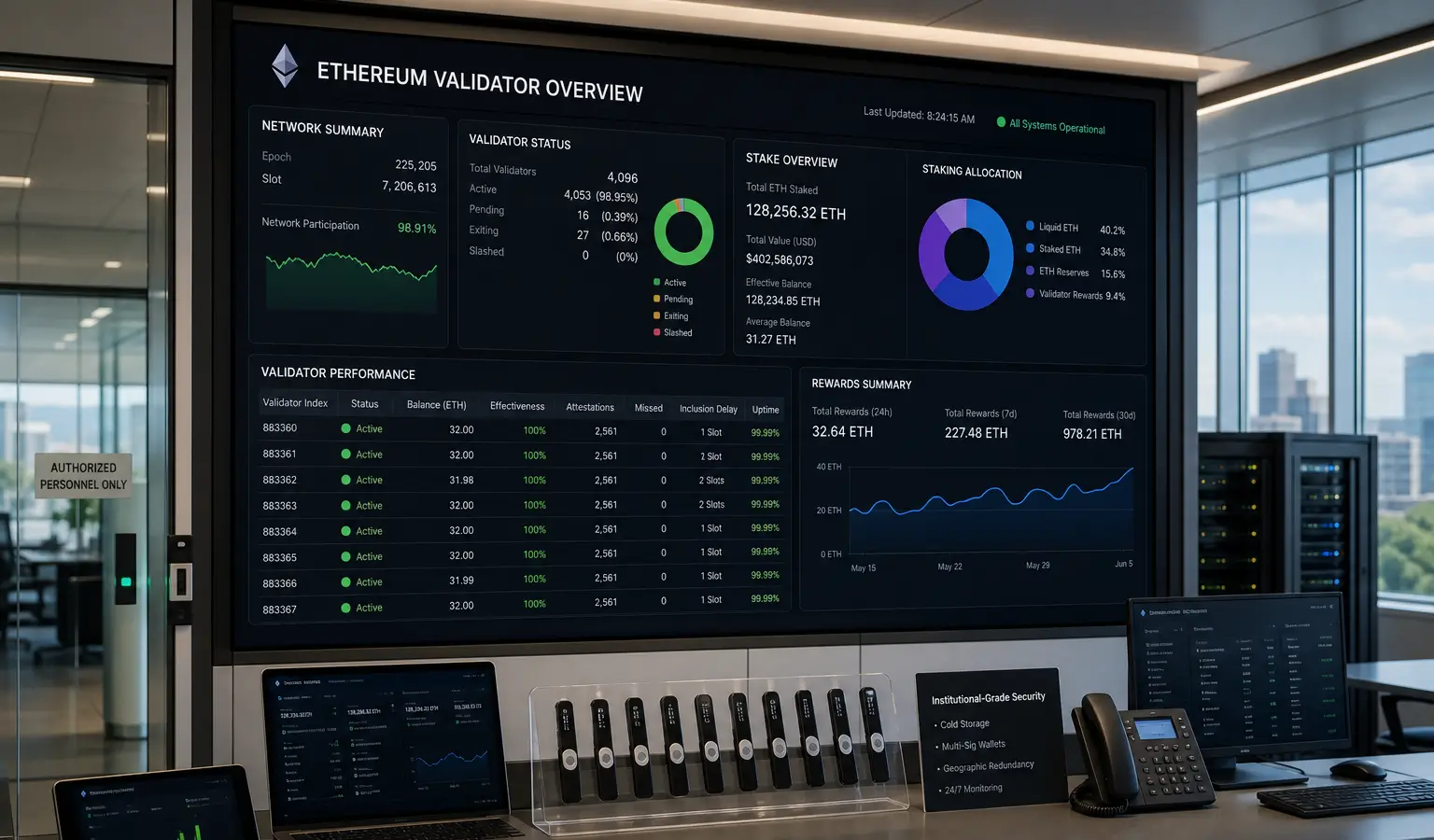
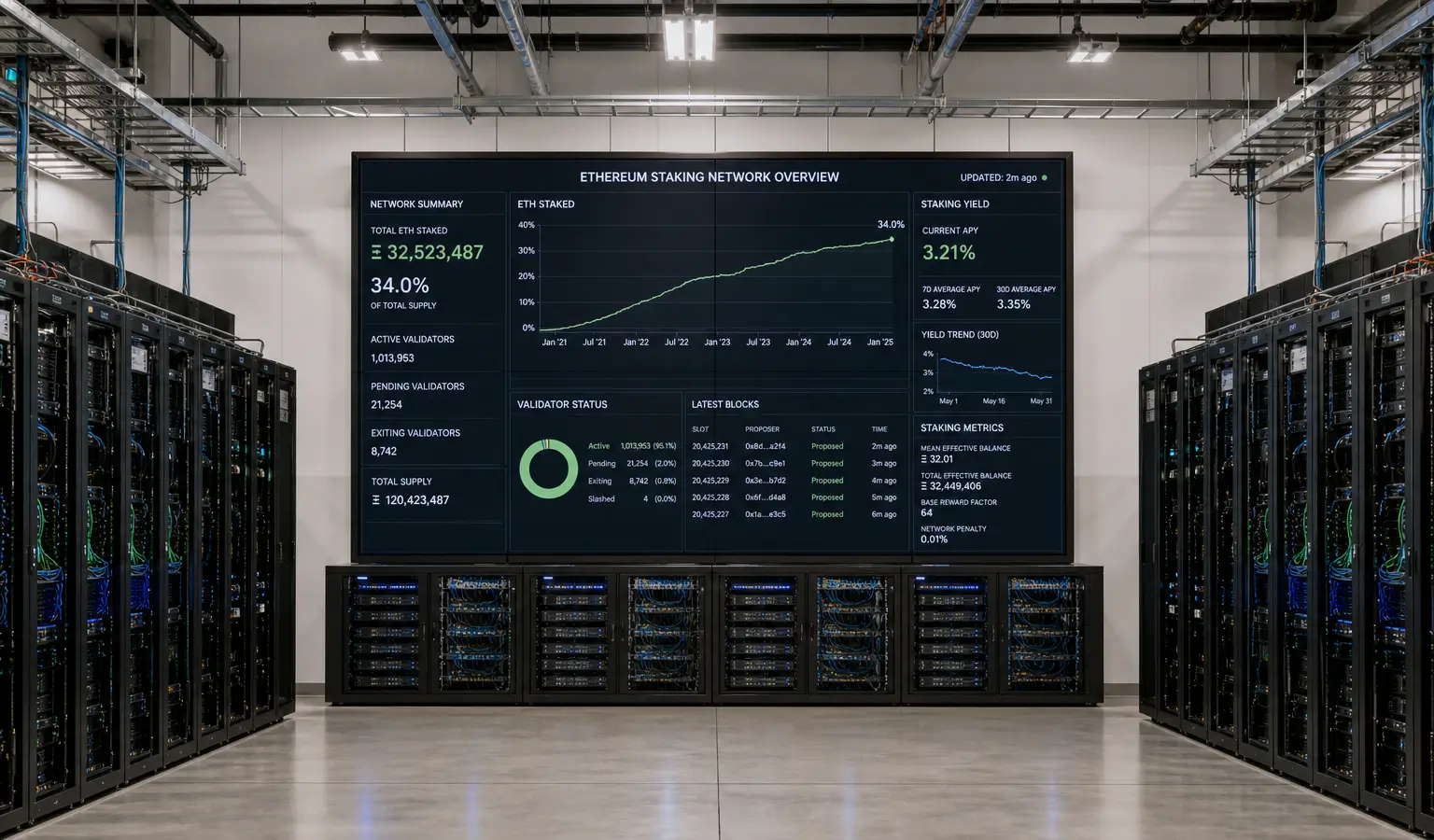
With staking, participants put coins from a network up as collateral. This is called Proof of Stake. The protocol then chooses which validators can propose or confirm blocks. The rules vary from network to network.
An example of staking and mining
Bitcoin uses mining. A miner runs calculations on computer equipment. If the miner finds a valid block that the network accepts, they may receive a block reward.
Many miners work together in a mining pool. The proceeds are then distributed according to that pool’s rules. This shows that mining requires work, equipment, and electricity; it doesn’t provide free coins.
Why are staking and mining important in crypto?
Staking and mining help explain how a network reaches agreement on valid transactions. They also make a blockchain more expensive to attack: mining requires computing power and electricity, while staking puts participants’ own funds at risk.
News about mining often focuses on energy use, equipment, or how computing power is distributed. News about staking often focuses on validators, rewards, and how many coins are staked. These factors say something about a network’s security and decentralization.
Rewards don’t automatically mean profit. With mining, equipment and electricity can cost more than the proceeds. With staking, there may be waiting periods before you can withdraw. Some networks also use slashing: in certain cases, a participant can lose part of their stake for breaking the rules.