Anthropic’s Claude Solves NSA Curve Mystery Around Bitcoin
Claude traced the origin of numbers in NIST curves, but the finding does not directly affect Bitcoin: it uses secp256k1 and different cryptography.
Key Takeaways
- Anthropic’s Claude traced a 25-year-old cryptographic puzzle back to a random-number program from 1997 and 1998.
- The research focused on NIST curves and Dual EC_DRBG, but not on Bitcoin, because Bitcoin uses a different curve.
- For European crypto users, this highlights how important strong cryptography remains and how relevant quantum computers could become in the future.
An AI model from Anthropic solved a 25-year-old cryptographic puzzle by tracing the origin of numbers that the NSA gave to the U.S. government in the late 1990s. The result is mainly relevant for the security of cryptography in general, but not for Bitcoin itself: the coin uses a different curve, so this puzzle is not the same one.
How Claude Cracked the Puzzle
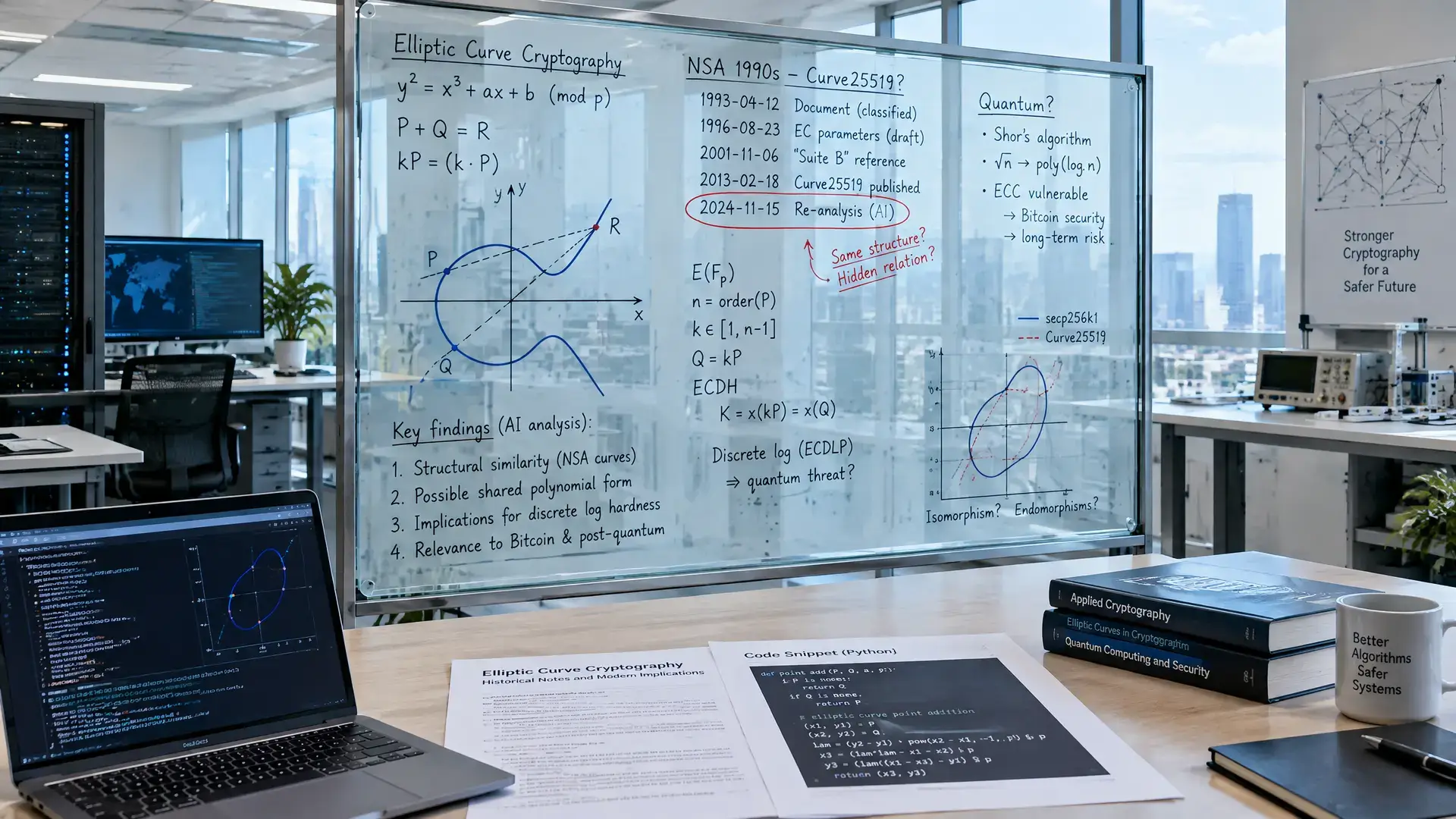
The numbers in question had long been suspected of hiding a backdoor. After about half an hour, Claude landed on a plain random-number program that used timestamps from 1997 and 1998. That let the model trace five NIST curves back to lrand48, a generator from older C software libraries.
According to Anthropic, the model even reconstructed the P-256 curve exactly and found a match at the 1,842nd candidate. That suddenly makes the origin of the numbers a lot less mysterious, although it is still unclear why some usable candidates were skipped and how other parts of the curves were chosen exactly.
The background to the puzzle lies with Dual EC_DRBG, a random-number generator recommended by NIST that was later removed from the recommendations after criticism over a possible backdoor. That fueled years of speculation that the NSA may have deliberately weakened cryptographic standards.
What This Means for Bitcoin
Bitcoin uses secp256k1, a curve that Satoshi Nakamoto chose and that is built differently from the NIST curves in this research. Bitcoin’s curve is based on two fixed, small numbers, which leaves much less room to secretly build in a weakness.
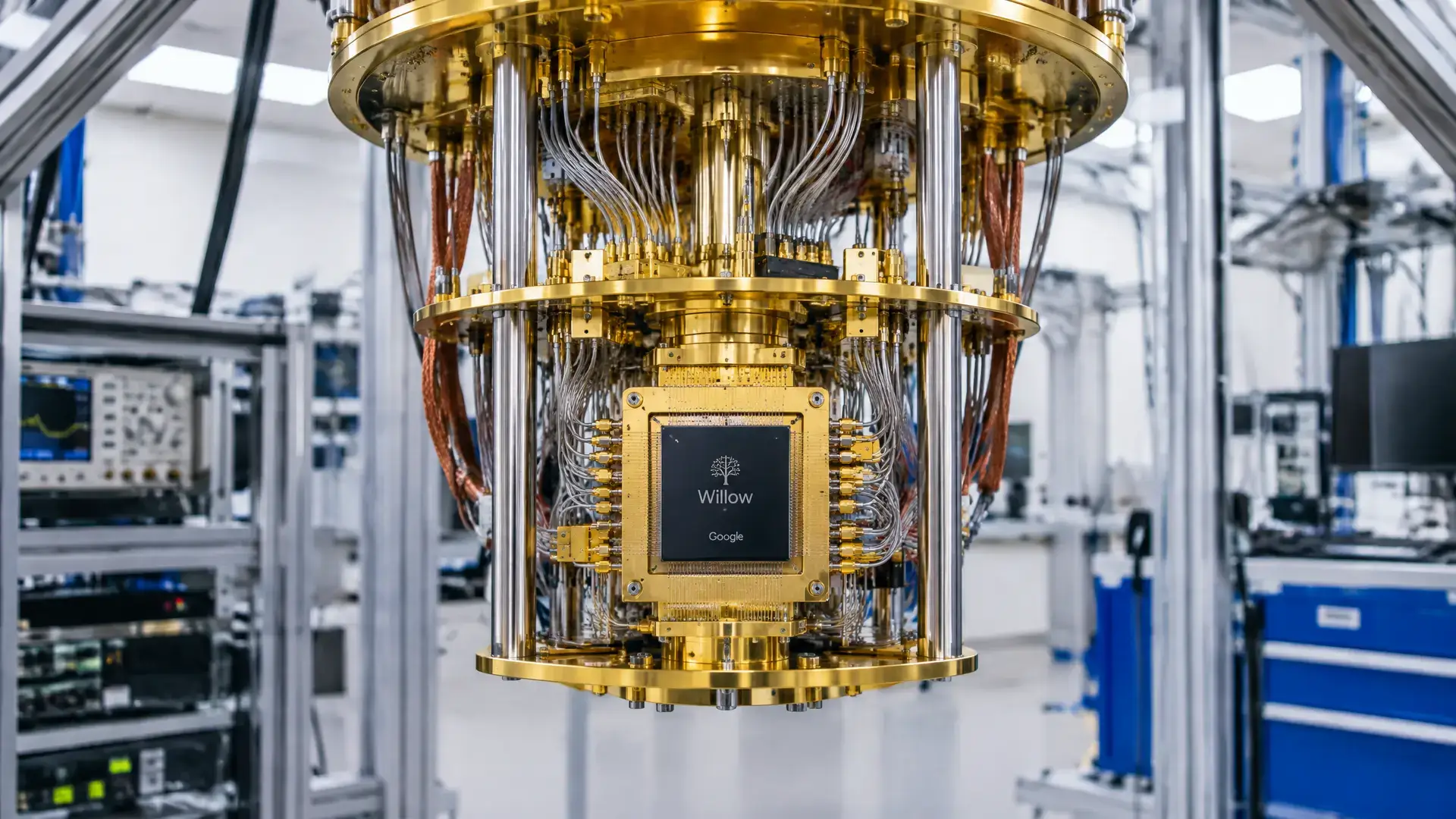
Ethereum uses the same curve too, but for Bitcoin wallets, what matters most is that the math behind it has been seen as solid for years. That does not mean another risk is gone: a powerful quantum computer could, in theory, reverse-engineer a public key into the private key behind a Bitcoin address.
That makes the debate over quantum safety relevant for wallets too. Europol previously warned that Bitcoin wallets are likely to be among the first targets if quantum computers become strong enough to attack current cryptography.
Why This Matters for Europe
For European crypto users, this shows how important the choice of cryptography remains, even when a system has seemed reliable for years. The debate is not just about old NSA curves, but also about how long current security will hold up as computing power keeps growing. For companies building crypto wallets or infrastructure, that remains a relevant topic, especially now that the quantum threat has not gone away.