Ledger Breach Costs Bitcoin Scammer $4.9 Million in BTC
Chainalysis links the theft to a Ledger breach involving devices sold through a reseller in Southeast Asia. The case highlights the risk of supply chain attacks on hardware wallets.
Key Takeaways
- A crypto scammer lost more than $4.9 million in bitcoin after attackers gained access to three Ledger wallet addresses.
- The stolen bitcoin had previously been obtained through a task scam involving fake jobs, fake payments, and required deposits.
- The theft is tied to a Ledger breach through tampered hardware in the supply chain.
A crypto scammer who made millions from fake jobs became the victim of another scam himself. According to Chainalysis, he lost bitcoin worth more than $4.9 million (€4.4 million) after attackers gained access to three Ledger wallet addresses and drained 60 BTC from them.
Fake Jobs Were Part of Task Scams
Chainalysis said on X on Thursday that the attacker had collected money through a so-called task scam. In these scams, victims first receive small payments for fake product reviews or for boosting online sales numbers. Then they are told their account has a negative balance and that they must deposit money themselves before they can withdraw their supposed earnings.
The bitcoin stolen through that setup was, according to Chainalysis, moved to three Ledger addresses. Soon after, those wallets were emptied. It is a striking twist in a case where a scammer himself became the victim of an attack on crypto storage.
CryptoBilis Breach Hits Ledger Wallets
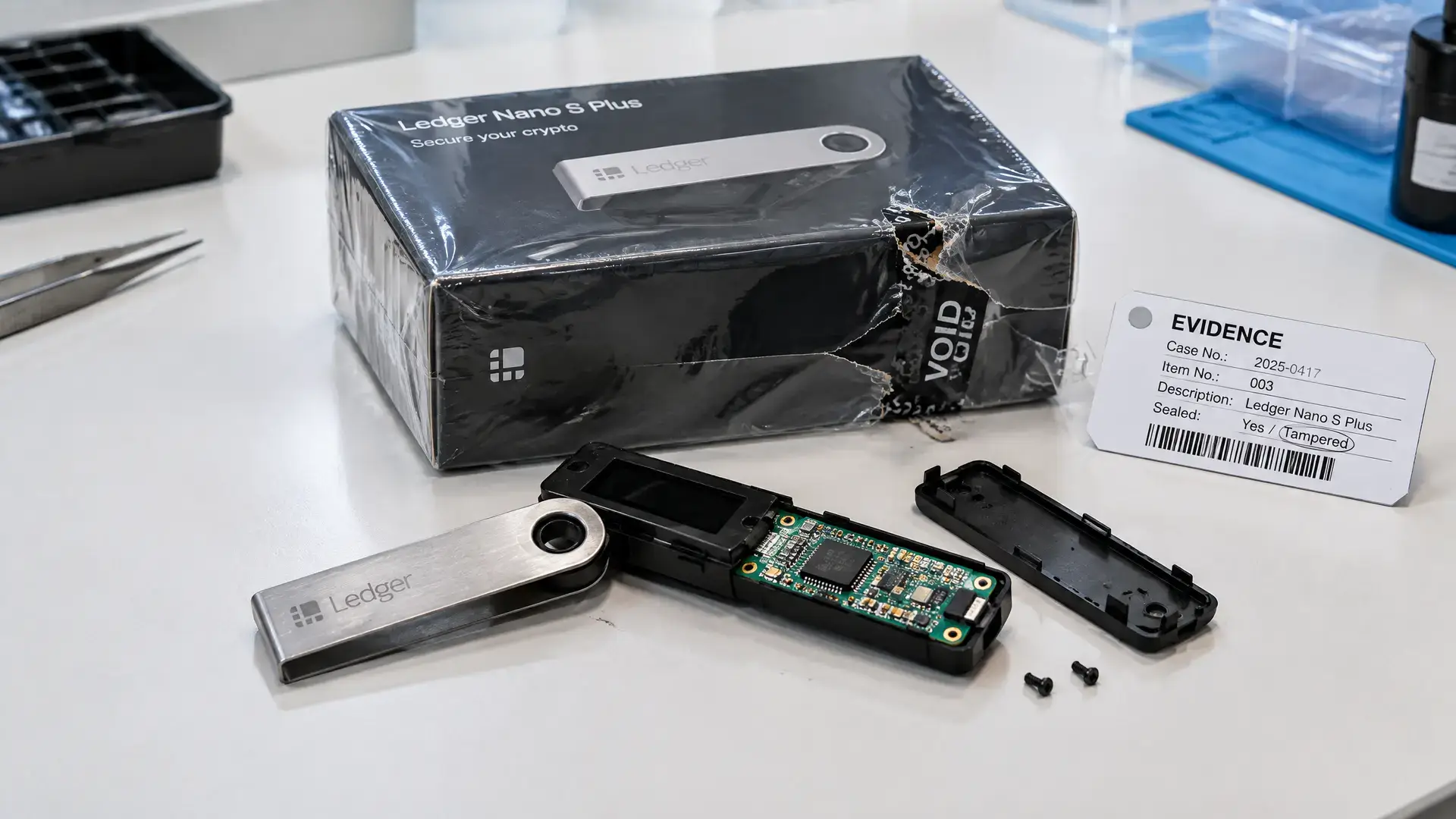
The theft is linked to the Ledger breach involving devices sold through a reseller in Southeast Asia. Researchers found unauthorized hardware implants in them that could send wallet recovery information over a mobile network. That allowed attackers to access bitcoin on affected devices.
That attack shows how vulnerable the supply chain for hardware wallets can be if a device is altered before it is ever used. Ledger previously reported an unauthorized hardware implant in a device from the same CryptoBilis batch. Ledger is reportedly reviewing its sales and anti-tamper policies, while incidents like this draw attention to where hardware wallets come from and how they are sealed.
Why This Matters for European Readers
For European crypto investors, this is especially relevant because hardware wallets are often seen as one of the safest ways to store BTC yourself. The case shows that security depends not only on the software or the seed phrase, but also on where the device itself comes from. That makes checking the sales chain and the integrity of a wallet even more important.