Ledger Is Working on an Atom Wallet After the CryptoBilis Leak
Atom runs on Android and is meant to offer extra protection against supply-chain attacks, following the CryptoBilis leak in which recovery phrases were intercepted.
Key Takeaways
- Ledger is working on the Atom, an Android wallet that is set to launch in mid-2027.
- The device combines smartphone features with a protected mode for managing crypto.
- The announcement follows the CryptoBilis leak, where Ledger is promising extra protection against supply-chain attacks.
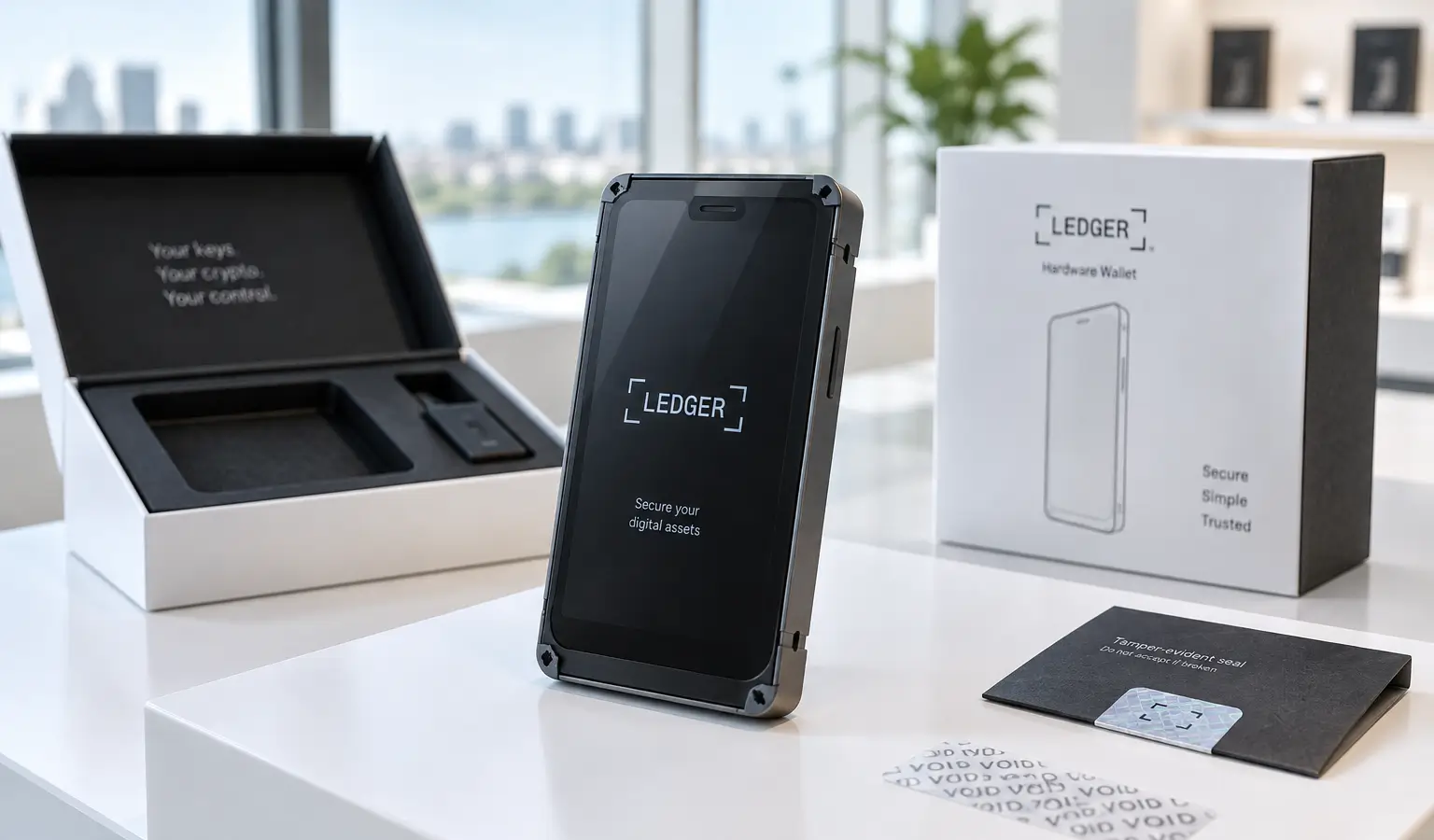
Ledger is working on a new hardware wallet that looks more like a smartphone than a classic wallet. The Ledger Atom is set to launch in mid-2027 and combines regular app features with a protected mode for managing crypto.
Smartphone and Wallet in One
The Atom runs on Android, which means users can install apps like WhatsApp, Instagram, and TikTok. According to Ledger, users can easily switch between normal phone use and a protected mode for digital assets. The device will also integrate with AI assistant OpenClaw.
That approach is different from the traditional hardware wallet, which is intentionally kept small and simple so it can mostly be stored safely. Ledger is now choosing a device that should be useful in everyday use, while security for crypto stays active in the background.
Response to the CryptoBilis Leak
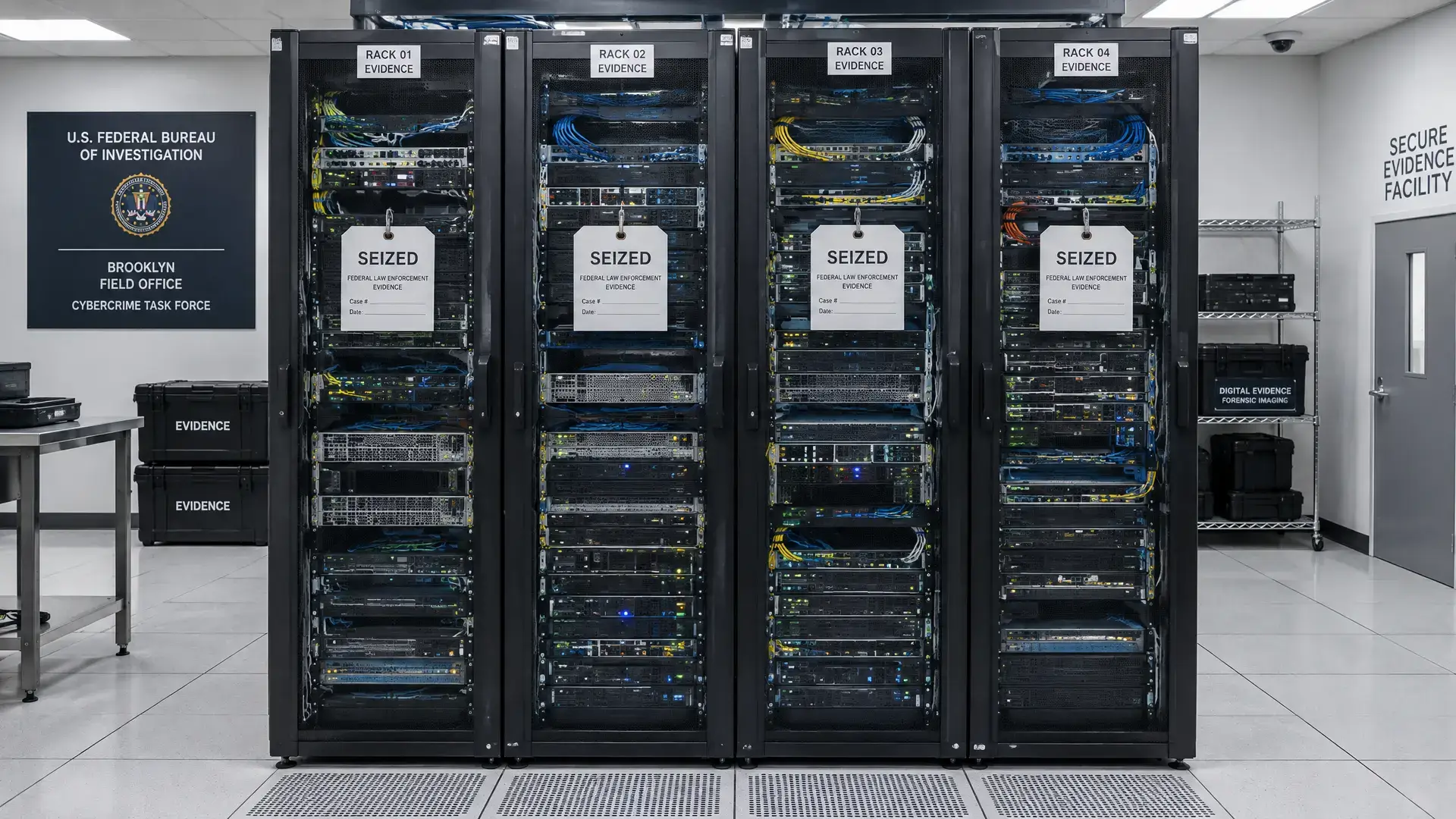
The announcement comes shortly after the supply-chain attack involving distributor CryptoBilis in Malaysia. Attackers are said to have modified devices before they reached customers. Researchers estimate the damage at up to $93.2 million (€83.3 million) across more than 300 wallets, while Tether froze $10 million (€8.9 million) in USDT linked to the theft.
According to the leak description, the affected wallets contained hidden chips that could intercept recovery phrases during setup. Ledger says the Atom will get extra protection against exactly that kind of attack. That includes a protective casing around the most sensitive components, sensors that detect whether the screen or back has been removed, and packaging that shows whether the device has been opened.
The tamper detection also has its own battery, so it keeps working even when the device is turned off. Ledger initially wants to sell the Atom only through its own website, to reduce exposure to distribution channels that were involved in the CryptoBilis incident.
Why This Matters
For European crypto users, this shows how fast the hardware wallet market is changing. The mix of a smartphone interface and extra security could be especially relevant for people who want to use their crypto more often without giving up the storage layer entirely. At the same time, the CryptoBilis incident underscores that supply-chain security is just as important as the wallet itself.
Solana already showed that a smartphone form factor can work in crypto with the Saga and later the Seeker. Ledger is now taking the opposite route: starting with security and building a device for everyday use around it. That fits the broader shift toward tighter supply-chain security, such as cutting back on resellers after concerns about tampered hardware.