Trezor Cuts Back on Resellers After Ledger Hack
Trezor is limiting sales through resellers and tightening controls on storage and delivery. The move follows the Ledger hack, where tampered hardware wallets surfaced through a distributor.
Key Takeaways
- Trezor is reducing the number of resellers to keep tighter control over the supply chain.
- Affected sellers will lose their authorization on January 1, 2027, and may still sell their existing inventory.
- The move follows a Ledger incident in which tampered hardware wallets were sold through a reseller.
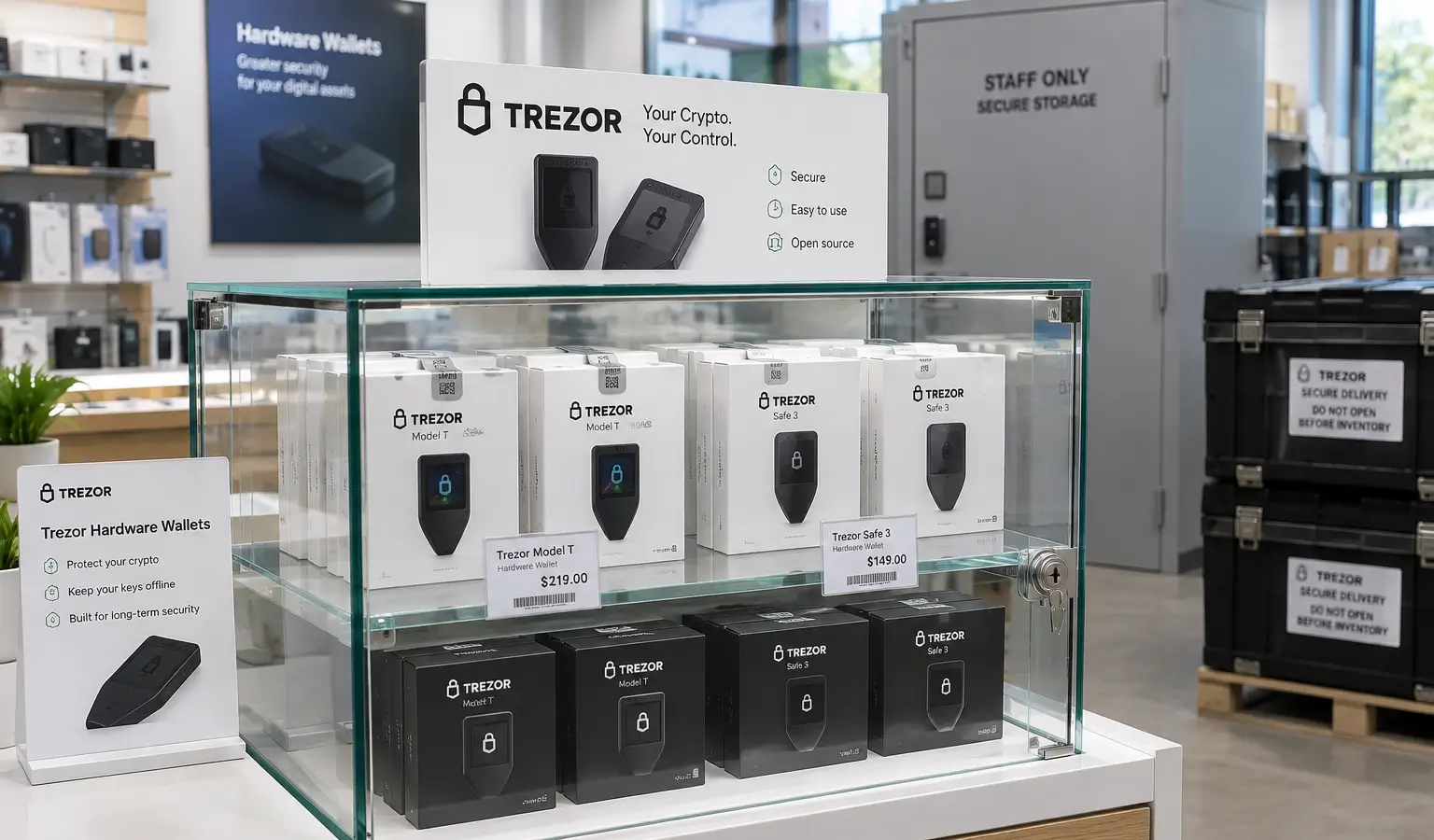
Trezor is reducing the number of stores allowed to sell its hardware wallets after a security incident at rival Ledger shook up the industry. The crypto company wants to get a tighter grip on the supply chain and on how devices are stored and delivered.
Stricter Sales Chain
According to Trezor, affected resellers will lose their authorization on January 1, 2027. The company has already stopped supplying new inventory to those partners, but they may still sell their existing stock during Black Friday and the holidays.
Trezor did not name the sellers being cut and did not say which countries this affects. Chief Commercial Officer Danny Sanders did say that the company looked at revenue, distribution, and Trezor's own presence in each country. Partners that are allowed to stay will get an updated legal framework and stricter checks on the origin, storage, and handling of the devices.
Why This Is Happening Now
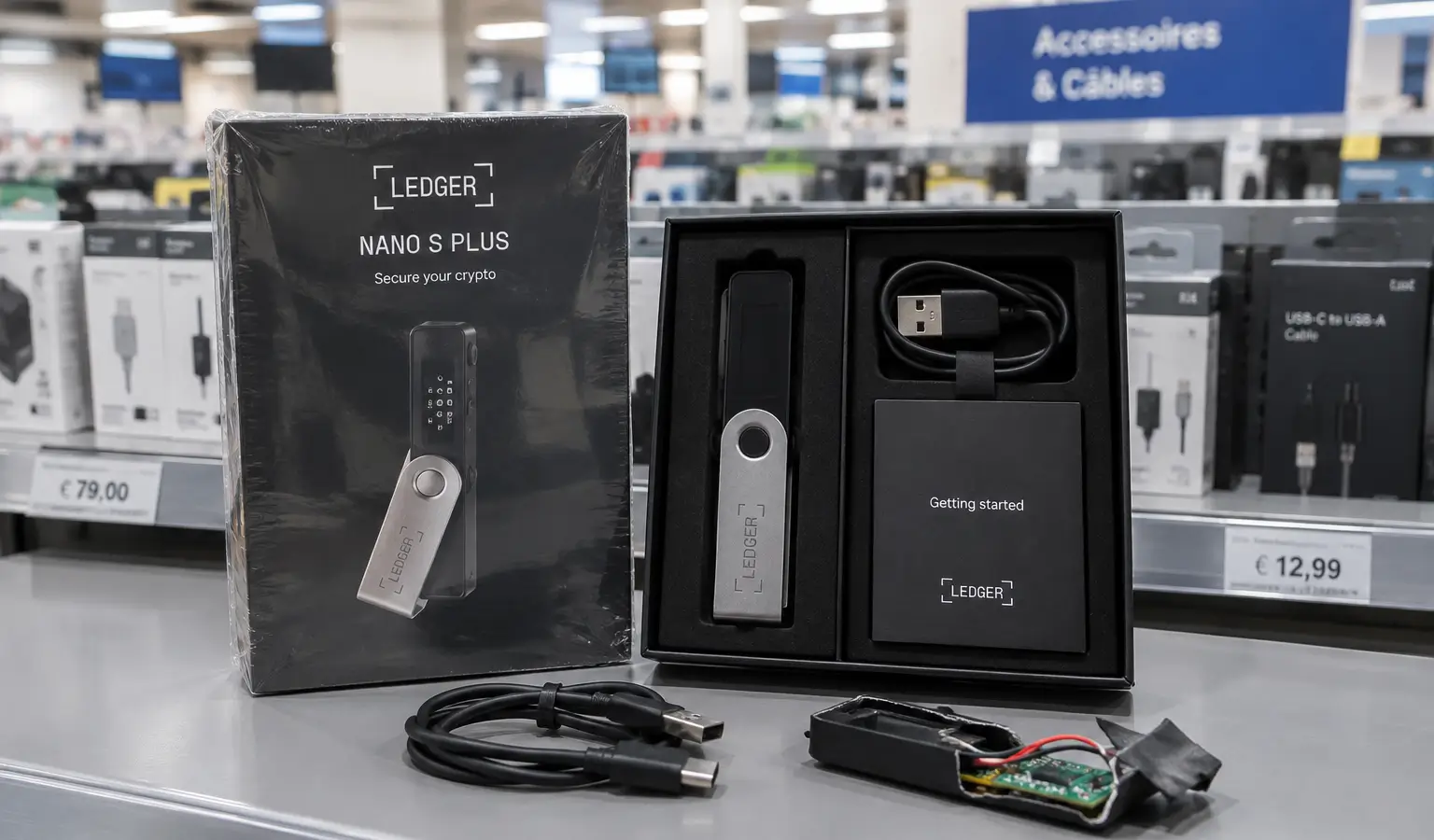
The move follows an incident in which Ledger confirmed that wallets sold through a reseller in Southeast Asia had been tampered with. According to Ledger, the devices contained a hidden implant that read the 24-word recovery phrase from the screen during setup and sent it over a mobile connection.
On-chain researchers at Bitquery estimate the likely damage at more than $93 million (€83.1 million), although Ledger has not confirmed that total. Ledger links all confirmed cases to CryptoBilis. Users say modified devices have also shown up in Europe, but Ledger has not confirmed that.
Earlier, the pause in CryptoBilis sales had already added extra pressure to Ledger's distribution chain. Trezor is now choosing a similar tightening, but says there is no evidence that its own devices have been compromised.
What This Means for Buyers
For hardware wallet buyers, this shows that not just the software, but the sales channel itself can be a risk. The recovery phrase remains the most important key to a crypto wallet, which means an attack in the distribution chain can have major consequences right away.
Ledger has previously called for shared anti-tamper standards for all wallet makers. Trezor is now first choosing to tighten its own chain, while the company says there is no evidence that its own devices have been compromised.