Ledger Implant Raises Questions About European Retailers
Ledger is investigating reports of tampered hardware wallets in Europe, while the debate shifts to retailers like MediaMarkt and the role of distributor Aqipa.
Key Takeaways
- Ledger is under fire after users reported tampered devices in Europe, while the company mainly pointed to reseller CryptoBilis.
- The implant would read the recovery phrase from the screen during setup and send it out over a mobile connection.
- Ledger asks affected users to contact Support and file a police report, but gave no information about compensation or total losses.
Ledger is under fire after the company in an update once again mainly pointed to reseller CryptoBilis. At the same time, users reported within minutes that tampered devices were also showing up in Europe. The debate is not just about where the tampered signers were sold, but also about who should bear the losses if an implant can intercept the recovery phrase during setup.
CryptoBilis Remains Central
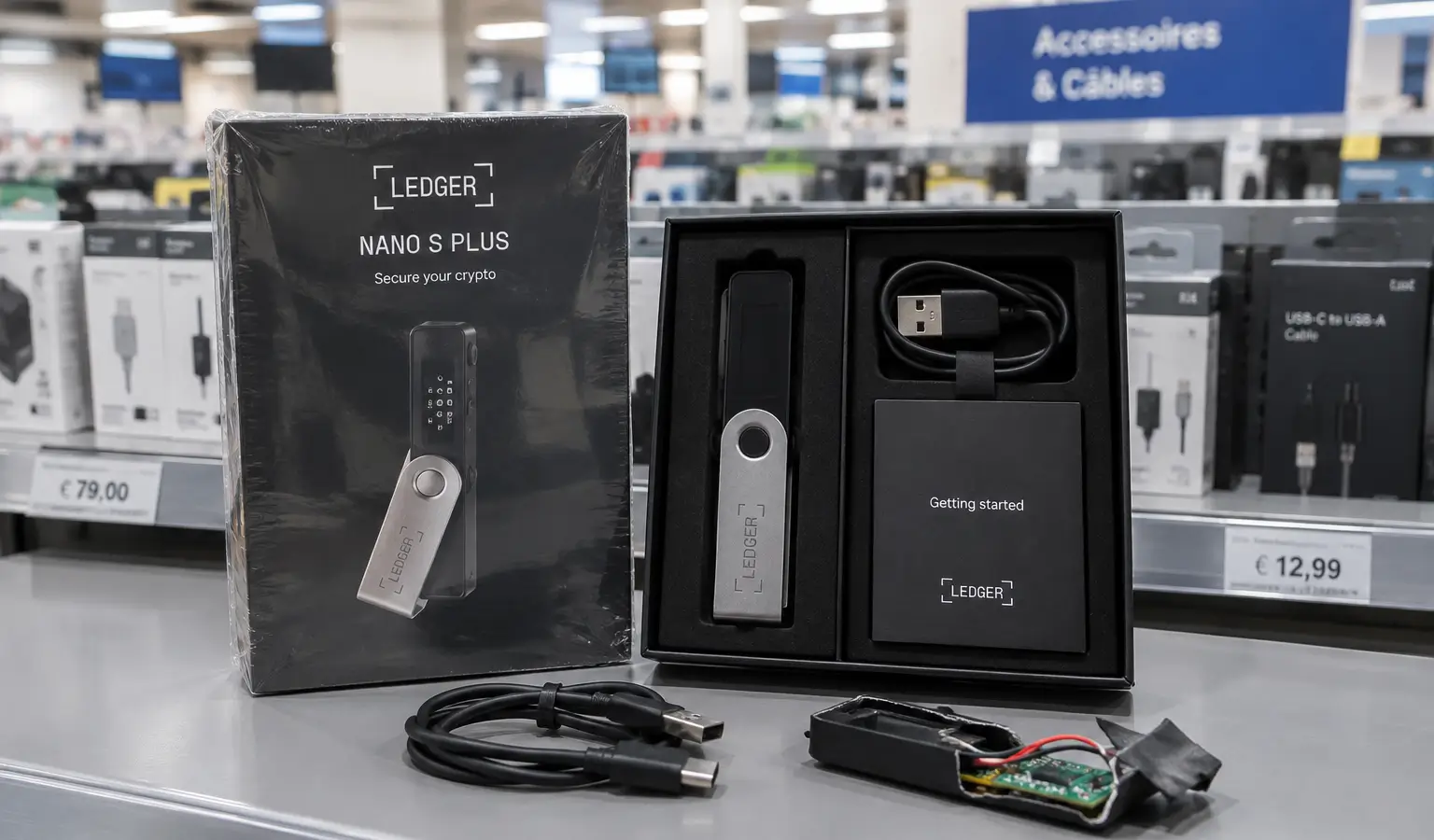
According to Ledger Donjon, Ledger’s internal security team, the implant reads the recovery phrase from the screen during installation and then sends the 24 words over a mobile connection. Ledger says it is investigating reports of implants in other signers and at other locations, but in the update it did not name any retailer other than CryptoBilis.
That silence is exactly what drew criticism. In replies, users pointed to MediaMarkt, a major European electronics chain, and to other possible sales channels in Europe. One user said his second device from another MediaMarkt store also had the same extra cables and a cellular component. He shared an unboxing video with that and said the stock was supplied through distributor Aqipa. In an earlier notice, Ledger already said it had found an unauthorized hardware implant in a device sold through CryptoBilis and was working with authorities.
Question About Compensation
Ledger asks affected users to contact Support so their case can be included, and to file a police report. The company said nothing in the update about reimbursing lost money. It also has not yet been confirmed how many users lost money or what the total damage is.
According to the report, a trader is said to have lost $6.6 million (€5.9 million) in Bitcoin after buying through the reseller. That makes the case especially sensitive, especially because Ledger’s Genuine Check does verify the security chip, but not every part around the device. That means a hidden spy chip can still sometimes pass the test. It was also previously reported that a hidden spy chip in a sealed Ledger wallet put hardware security under pressure.
Why This Also Matters for Europe
The case fits into a broader series of supply chain attacks on hardware wallets. For European crypto users, what matters most is that the debate is now not just about one reseller, but also about where devices come from in the retail chain. Ledger also warns that it never calls, sends direct messages, or asks for a recovery phrase, which lowers the chance of extra abuse around incidents like this.