U.K. Crypto Trader Says He Was Victim of Violent Robbery
The case shows that self-custody does not protect against physical coercion. Chainalysis also sees a rise in so-called wrench attacks, including in Europe.

Key Takeaways
- An anonymous British crypto trader says he lost nearly $800,000 in crypto after a violent home invasion.
- The attackers allegedly held him at gunpoint and forced him to transfer crypto from a hot wallet and a Ledger wallet.
- The article points to a growing risk of physical coercion for crypto holders, alongside digital attacks like hacks and phishing.
An anonymous crypto trader in the United Kingdom says he lost nearly $800,000 (€715,000) in crypto after armed intruders broke into his home and forced him to send digital assets to a specific wallet. The case shows that self-custody and encryption are not enough to prevent physical coercion.
How the Robbery Unfolded
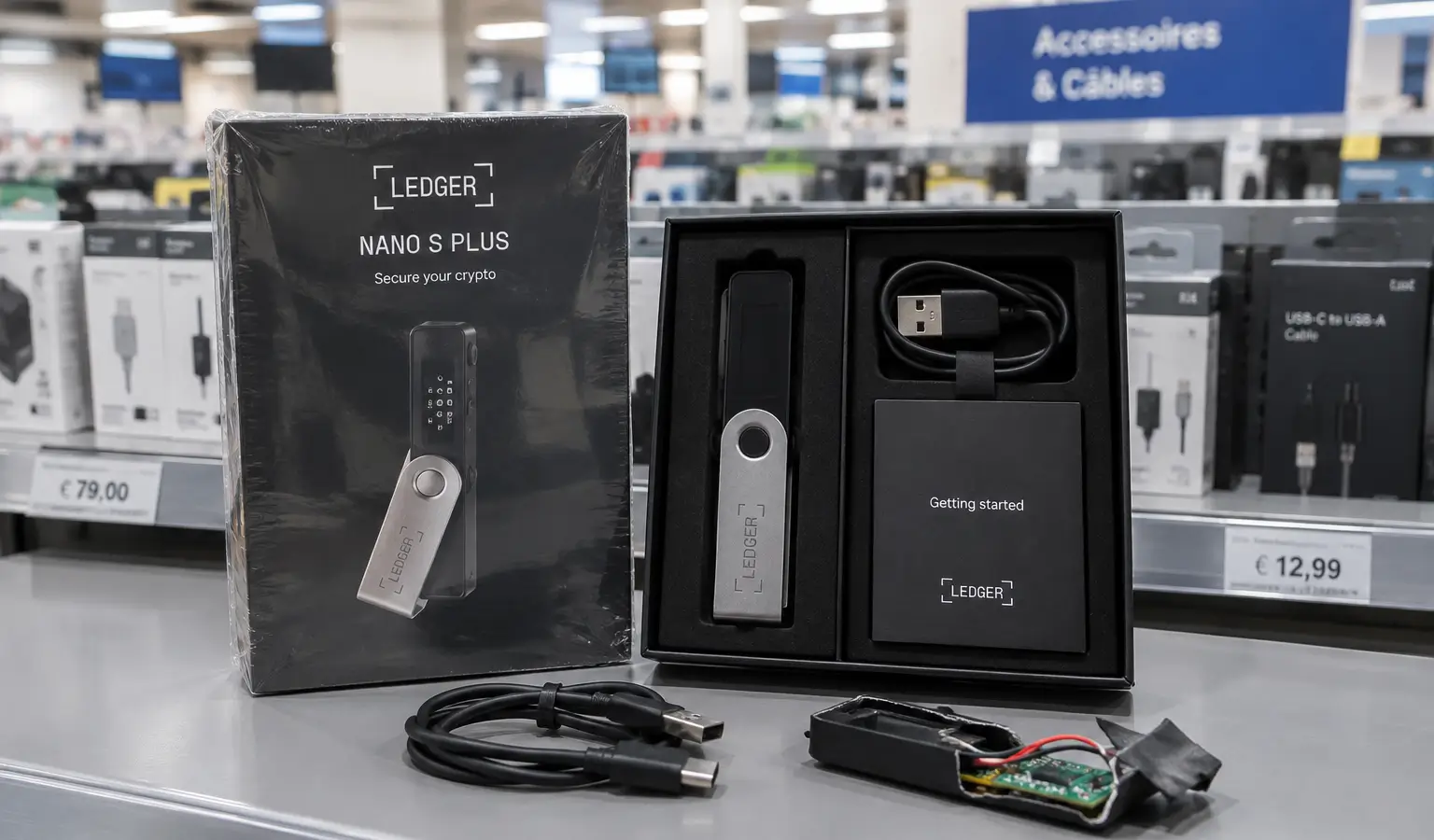
The trader, who writes on X under the pseudonym “realist,” says the attackers held him at gunpoint, smashed his phone, and forced him to transfer about $40,000 (€35,800) from a hot wallet and $720,000 (€643,500) from his Ledger wallet. He shared a Solana wallet address on blockchain explorer Solscan to back up his story, but police or other authorities have not yet confirmed the incident.
The trader also wrote: “If you live in the U.K. and do crypto get the f**k out.”
More Pressure on Crypto Holders
The report follows an earlier U.K. robbery from last December, when masked attackers beat a crypto investor with hammers and threatened his pregnant wife until he handed over hundreds of thousands of pounds in crypto. These attacks are often called “wrench attacks” because violence or threats are used to make someone give up their holdings.
According to blockchain analytics firm Chainalysis, more than $30 million (€26.8 million) was stolen through violent attacks worldwide in the first half of 2026. Home invasions accounted for 37% of reported incidents, up from 14% a year earlier. In the same period, CertiK counted 52 confirmed attacks worldwide, 33 of them in France. That shows physical coercion has become a bigger risk for crypto holders alongside hacks, phishing, and smart-contract exploits.
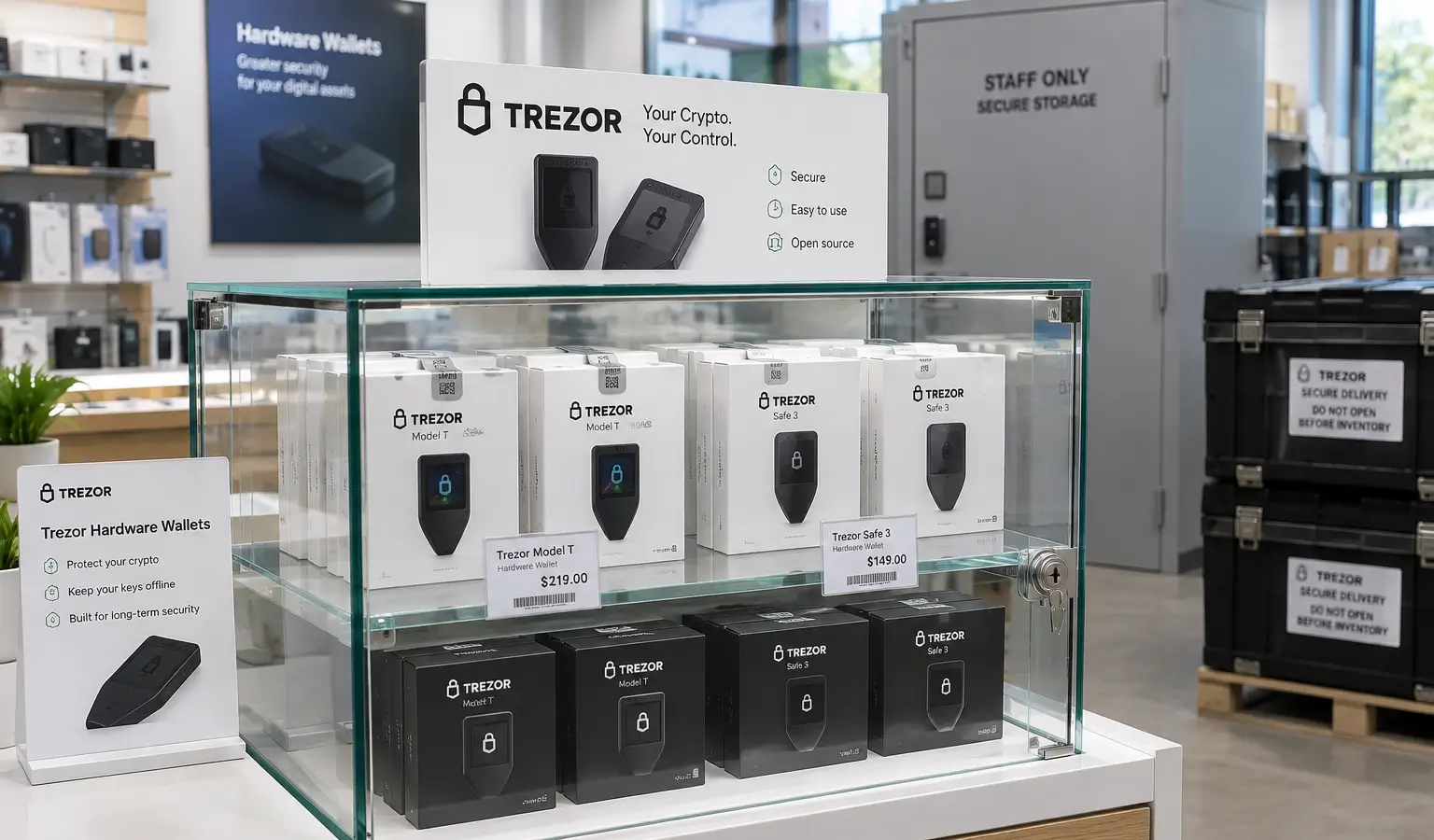
Pressure is also still rising in the hardware wallet space: Trezor previously warned that a data leak could leave customers more exposed to phishing and other targeted attacks.
Why This Matters
For European crypto holders, this matters mainly because the threat does not stop at a wallet or private key. People who make a lot of crypto visible or talk about their holdings often could face extra risk. The numbers also show that security is increasingly about more than just digital defenses, with more attention on privacy and personal protection.