Bank of America Gets Fined, CZ Points to Double Standard
Bank of America paid $1.21 billion for missed money laundering reports, without a criminal case. CZ uses the case to highlight the difference with Binance and U.S. AML enforcement.
Key Takeaways
- Bank of America was fined $1.21 billion for weak anti-money laundering controls, and its stock fell as much as 9% on Wednesday.
- The bank failed to report more than $5 billion in suspicious transactions on time, including more than $1 billion tied to national security risks.
- CZ pointed to the difference with Binance, where he got four months in prison for AML mistakes, while Bank of America faced no criminal prosecution.
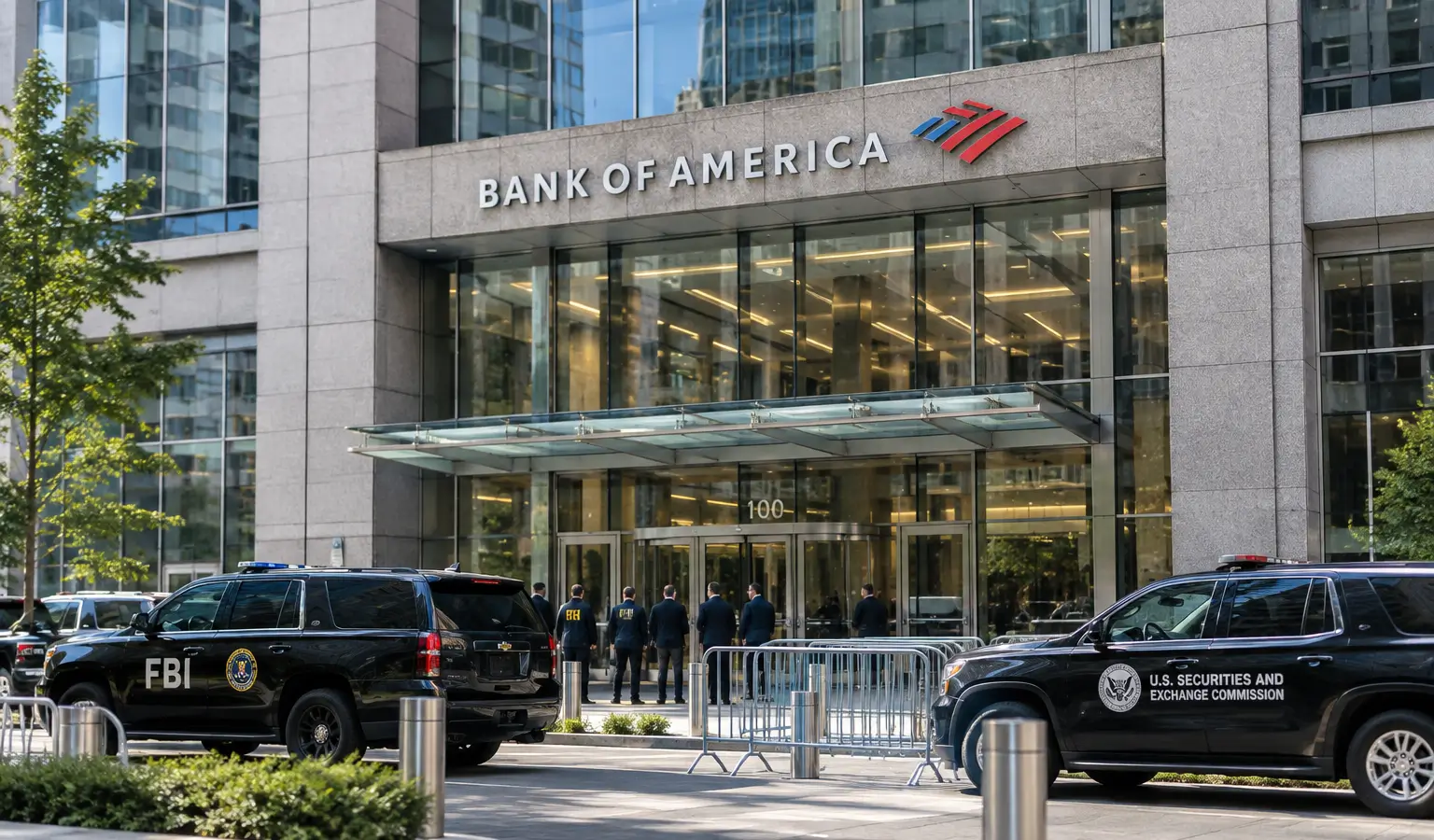
Bank of America saw its stock fall as much as 9% on Wednesday after the bank admitted it had knowingly fallen short on anti-money laundering controls and agreed to pay a $1.21 billion (€1.1 billion) fine. No one was criminally charged. That stood out in the crypto world because Binance founder Changpeng Zhao, better known as CZ, spent four months in a U.S. prison for AML mistakes at his exchange.
What Bank of America Admitted
According to the U.S. Treasury Department, the bank failed to report more than $5 billion (€4.5 billion) in suspicious transactions on time. More than $1 billion (€0.9 billion) of that was tied to national security risks, including suspected Chinese money laundering networks. The statement also says the bank often relied on tips from law enforcement to spot problems instead of using its own monitoring.
The fine cut quarterly profit by 17 cents per share, BeInCrypto previously reported. Even without that hit, adjusted earnings of $1.08 (€0.96) per share came in below expectations. So for investors, this was not just a compliance story, but also another hit to results.
Why CZ Is Bringing This Up
CZ pointed Wednesday to the difference between civil fines and criminal cases. The penalties against Bank of America came from three Treasury agencies, which can issue fines but cannot bring criminal charges. Criminal cases go through the Justice Department, and Tuesday's announcement said nothing about that.
That fits into a broader shift in U.S. enforcement. In 2025, the Justice Department widened the path for companies to avoid prosecution if they self-report, cooperate, and fix problems. In March 2026, the department also rolled out a uniform Corporate Enforcement and Voluntary Self-Disclosure Policy across the whole department, meant to treat corporate cases more evenly.
What This Says About Crypto
For European crypto followers, this matters because the line between bank oversight and crypto enforcement in the U.S. is becoming visible again. Binance was criminally targeted because prosecutors said it failed to file any suspicious activity reports and let U.S. customers trade through the exchange in violation of sanctions. Bank of America just got hit with a heavy fine, but no criminal case, and that is fueling the debate over when regulators choose a fine and when they choose prosecution.
CZ also pointed to deferred prosecution agreements, deals where prosecutors can drop charges if a company meets certain conditions. The comparison shows how differently the U.S. approach can play out, even when money laundering risks are involved.
That line is still a topic of debate in broader U.S. enforcement around crypto and financial institutions. The U.S. Treasury Department previously withdrew a proposal that could have required banks and exchanges to separately record and report transfers to personal wallets.