Kalshi Warns of State Regulation of Prediction Markets
Kalshi says fragmented state rules could push prediction markets abroad instead. The case comes down to whether the CFTC or U.S. gambling regulators have the final say.
Key Takeaways
- Kalshi CEO Tarek Mansour says the fight over prediction markets is mainly about whether the market can stay in the U.S.
- States like New Jersey want sports-related event contracts to fall under gambling rules, while Kalshi and the CFTC are defending federal regulation.
- The CFTC wants event contracts to be more explicitly treated as swaps, while the case is now in multiple federal courts and possibly the Supreme Court.
Kalshi CEO Tarek Mansour says the legal fight over prediction markets in the U.S. is not just about state or federal control. According to him, it is mainly about whether this market will stay in America or move abroad. A system with oversight by individual states could, in his view, push the sector away instead.
Legal Fight Escalates
Mansour spoke Wednesday during DC Fintech Week near Washington. He said Kalshi feels “pretty good” about its current position in the case, where states and the federal regulator are directly opposed.
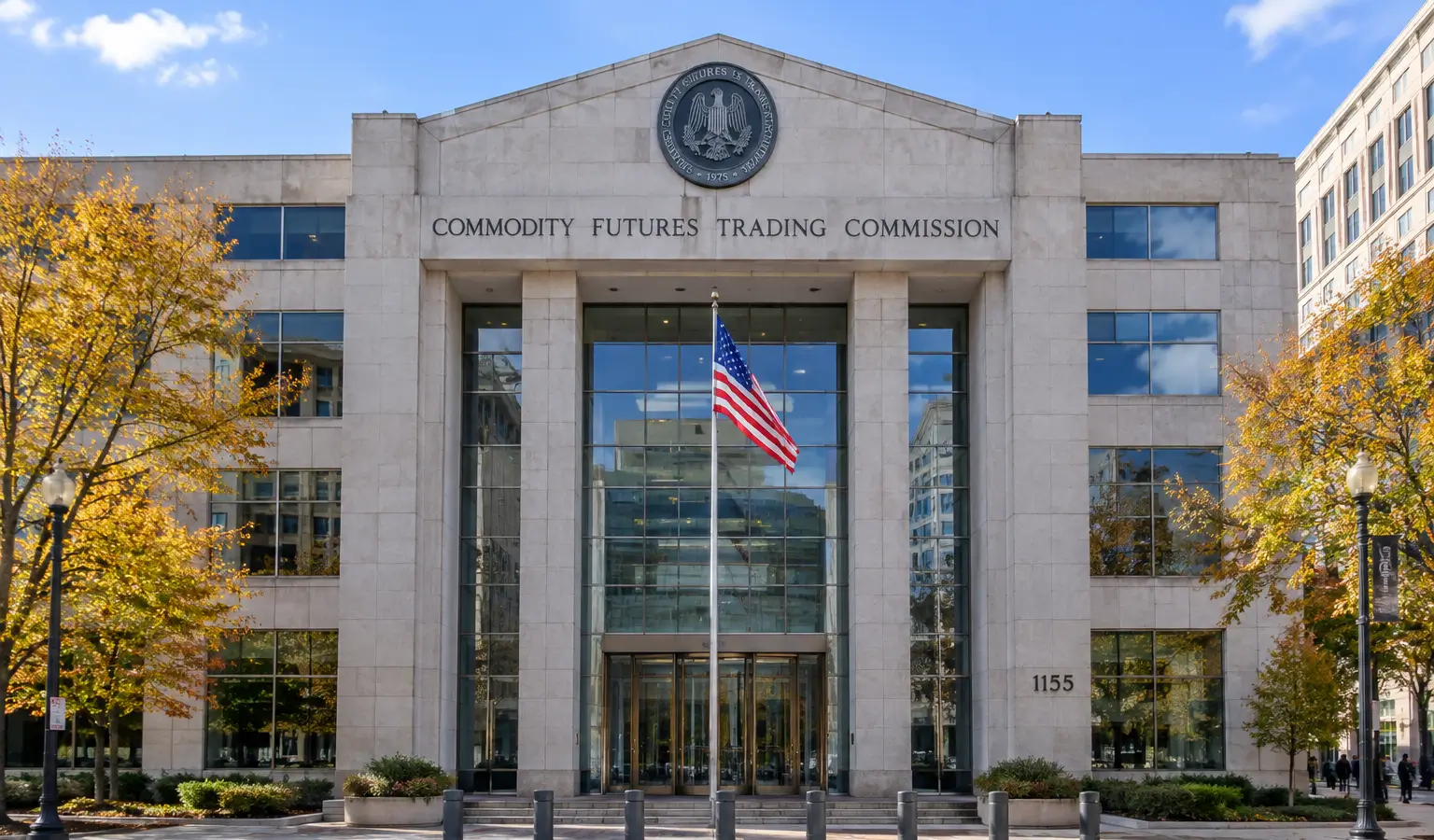
The core of the conflict is who gets to regulate event contracts. Several states, including New Jersey, say sports-related contracts fall under their gambling rules. Kalshi and the Commodity Futures Trading Commission, the CFTC, argue that the federal regulator is the right authority.
The case has now reached multiple federal courts, and those courts have split. One major ruling came down in Kalshi’s favor, while two other rulings sided with the states. Because of that, New Jersey has asked the U.S. Supreme Court to take up the case.
Meanwhile, the CFTC is trying to strengthen its role further. Last week, the regulator introduced a rule and a proposal that would more explicitly place event contracts under swaps, products overseen by the federal agency and not by state gambling regulators.
Mansour also said sports do have economic consequences. In his view, the idea that sports would have no economic impact is “ludicrous.” With that, he again defended the argument that prediction markets are more than just gambling.
Why This Matters
For European crypto and fintech readers, this matters mainly because the outcome could show how far regulators can stretch event contracts within existing financial rules. If the U.S. chooses a tighter federal framework, that could set the tone for other markets where trading, gambling, and financial products sit close together. The case also shows how quickly a young market can change once multiple regulators start claiming the same activity.
The broader pressure on Kalshi also plays a role: Kalshi Clashes With States as CFTC Prepares New Rules already described how the regulator and state regulators are both pulling on the market at the same time.