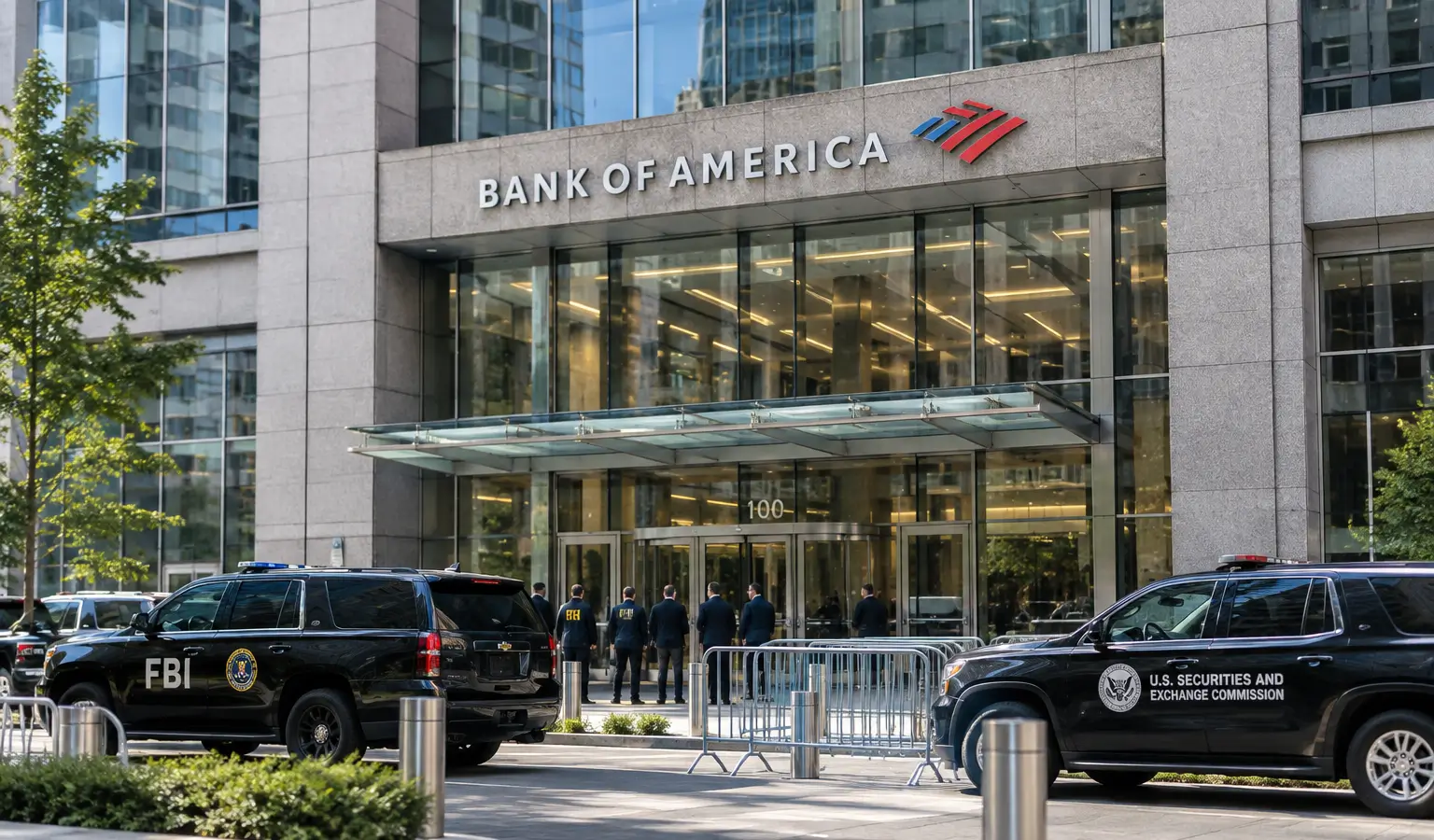
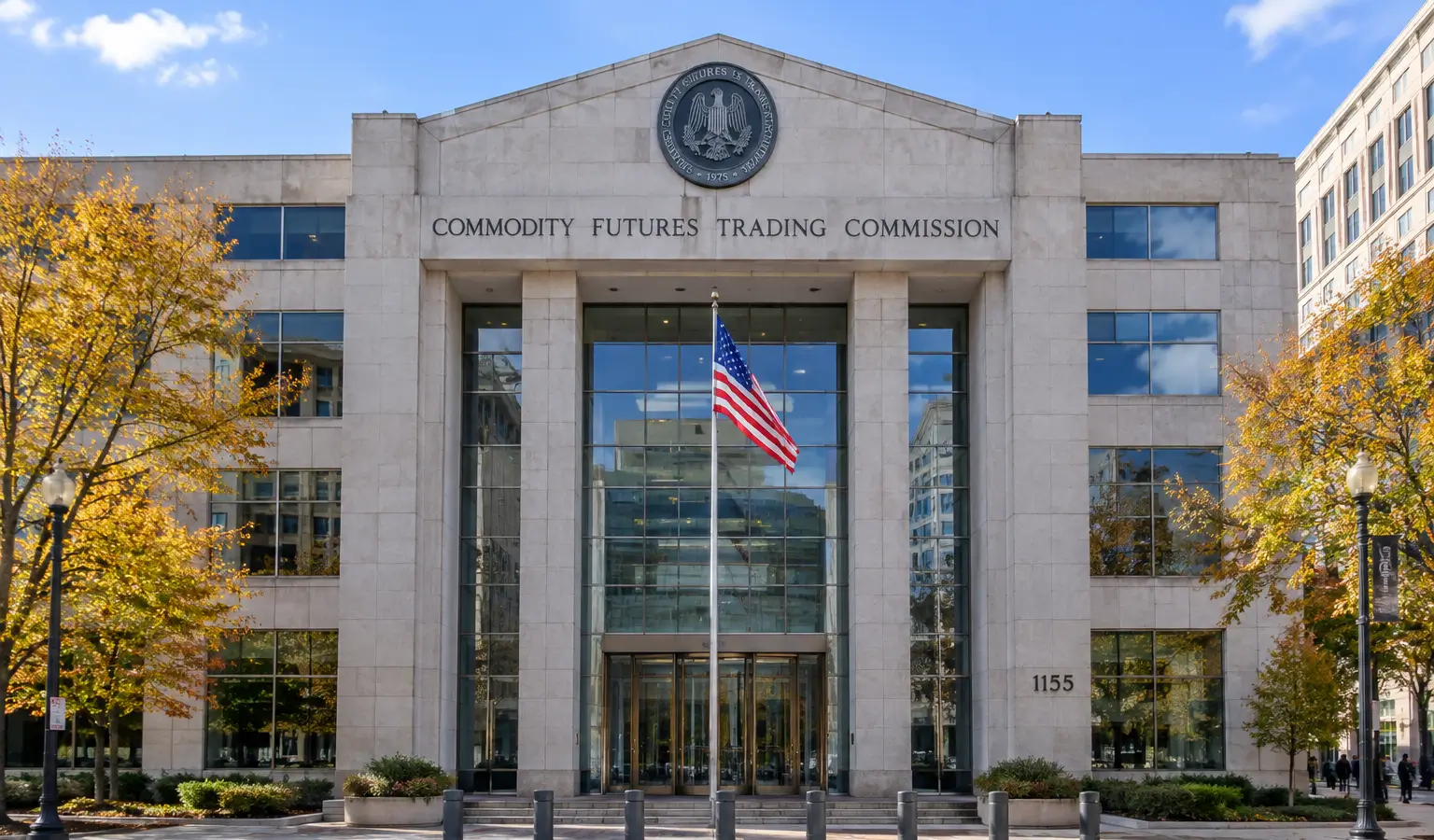
Kalshi Clashes With States as CFTC Prepares New Rules
Kalshi is fighting bans on event contracts in multiple states, while the CFTC works on more modern rules for prediction markets and consumer protection.
Key Takeaways
- Kalshi is asking a judge in Washington to reconsider an earlier block, because competitor Crypto.com is allowed to operate there.
- The company is also in legal disputes over prediction markets in Massachusetts, Minnesota, Ohio, Maryland, Utah, Arizona, and New York.
- At the same time, the CFTC is working on more modern rules for event contracts, consumer protection, and clearer requirements for market design and governance.
Kalshi is once again under fire in several U.S. states, while the CFTC is also working on new rules for prediction markets. In Washington, the company is asking the judge to reconsider an earlier block because competitor Crypto.com is allowed to keep operating there under the same conditions.
Washington Becomes a New Battleground
In its latest filing, Kalshi says the state is taking a different approach toward Crypto.com in an identical situation. According to the company, six days after the court order to stop Kalshi, Washington had already said it would not enforce the law against Crypto.com for now, as long as the appeal is ongoing.
Kalshi calls that unequal treatment. The event contracts that the state said were not acceptable for Kalshi are now available to Washington residents through an identical competitor, according to the company. The judge now has to decide whether that is enough to revisit the earlier ruling.
The Washington case is not standing alone. There are also legal disputes in Massachusetts, Minnesota, Ohio, Maryland, Utah, Arizona, and New York. In several of those states, the issue is whether prediction markets fall under state gambling rules, especially when sports-related contracts are involved.
CFTC Sets the Tone
At the same time, the CFTC is trying to push the sector more toward federal rules. Chair Mike Selig said this week that the regulator wants to move quickly on more modern rules for event contracts and on consumer protection requirements. He also pointed to clearer expectations for product governance, market design, and incentive programs.
That fits with the CFTC's broader approach, which, according to recent enforcement actions and warnings, has already more often targeted misuse of nonpublic information and fraud in prediction markets. As a Designated Contract Market, Kalshi falls under strict federal rules, with requirements for market integrity, oversight, and anti-manipulation rules.
Why This Matters
For European crypto readers, this matters mainly because prediction markets are increasingly running into the line between crypto, derivatives, and regulation. The outcome in the U.S. could show how strictly regulators want to treat these products, and how far a federal regulator can go when it comes to states. That also makes the Kalshi case interesting for platforms that offer, or are considering offering, similar products.
The legal pressure on prediction markets is broader than this one case. In another case, Kalshi already faced a federal judge in Minnesota, who temporarily paused enforcement of a state ban while waiting to see whether federal rules take priority.