Binance Pushes Back on MiCA After Users Move to Self-Custody
Binance says 70% of withdrawn EU funds went to self-custody, not to MiCA-licensed platforms. The result is putting Europe’s regulatory ambitions and the role of intermediary-free wallets under pressure.
Key Takeaways
- Binance executive Richard Teng says MiCA is backfiring because many EU users are moving their crypto to self-custody.
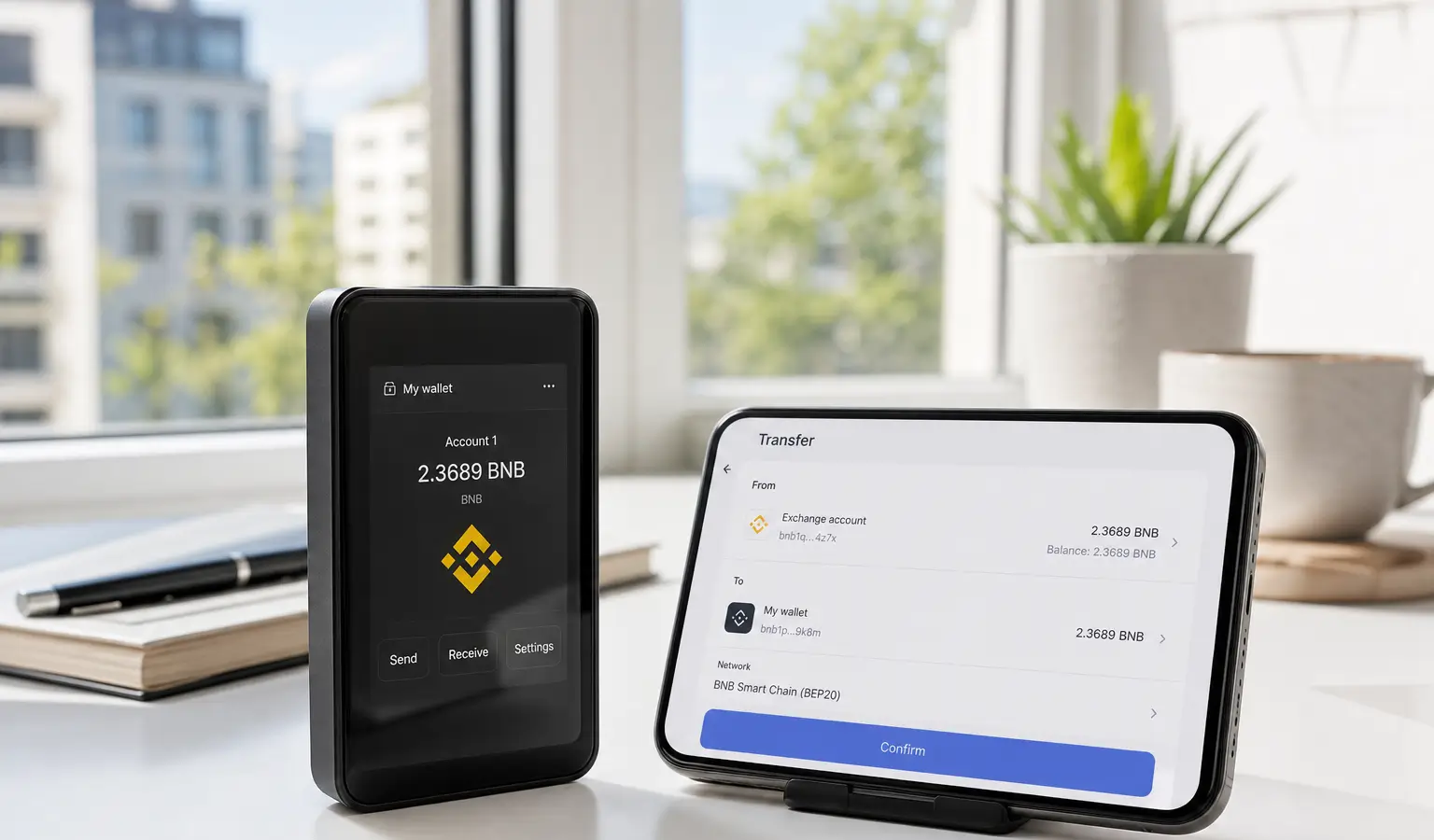
- According to Binance, 70% of withdrawn funds from affected EU customers went to self-managed wallets and 30% to regulated platforms.
- Binance stopped taking new EU customers on July 1 after pulling its MiCA application in Greece and says the approval process was delayed.
Binance executive Richard Teng says Europe’s MiCA rules may be producing the opposite of what regulators intended. Instead of shifting to licensed competitors, many EU users leaving Binance are moving their crypto into self-custody. Teng said 70% of the withdrawn funds from affected EU customers ended up in self-managed wallets, while the remaining 30% went to platforms operating under the new framework.
Binance Leaves the EU Market
Teng made the comments at the Reuters NEXT Asia summit in Singapore. Binance stopped onboarding new EU customers on July 1 after withdrawing its MiCA application in Greece at the end of June. Teng said the approval process kept getting pushed back without a clear reason, which led the company to step away rather than rush users through a transition.
The decision followed Binance’s largest weekly outflow in more than three years. The company’s own flow data is now central to Teng’s criticism of MiCA. It also offers a real-world example of how tighter rules can affect crypto exchanges that want to stay active in Europe. That fits with the recent largest weekly outflow in more than 3 years, which already showed how quickly users reacted to the company’s European pullback.
Self-Custody Outside Oversight
Teng, who previously worked as a regulator, argues that MiCA is nudging users toward a setup that is harder for authorities to monitor. Exchanges are required to carry out anti-money-laundering and know-your-customer checks, but those safeguards do not apply to non-custodial wallets.
That tension goes to the core of MiCA. The rules are designed to bring crypto-asset service providers, including exchanges and custodians, under national licenses and create a more uniform market across the EU. Self-custody sits outside that system because users hold their own private keys and are not offering a service to anyone else. Binance’s exit therefore raises a bigger question about how far crypto oversight can actually reach.
What This Means for Europe
For European crypto watchers, the main takeaway is that regulators are now paying attention not only to licensing, but also to what happens after users leave a regulated platform. The European Securities and Markets Authority has already urged unlicensed providers to wind down their EU operations in an orderly way and keep customer interests in mind. The next round of licensing decisions will help show whether MiCA mainly drives consolidation in the market or pushes more activity beyond regulators’ direct control.