Binance Under Fire in the EU Over Reverse Solicitation
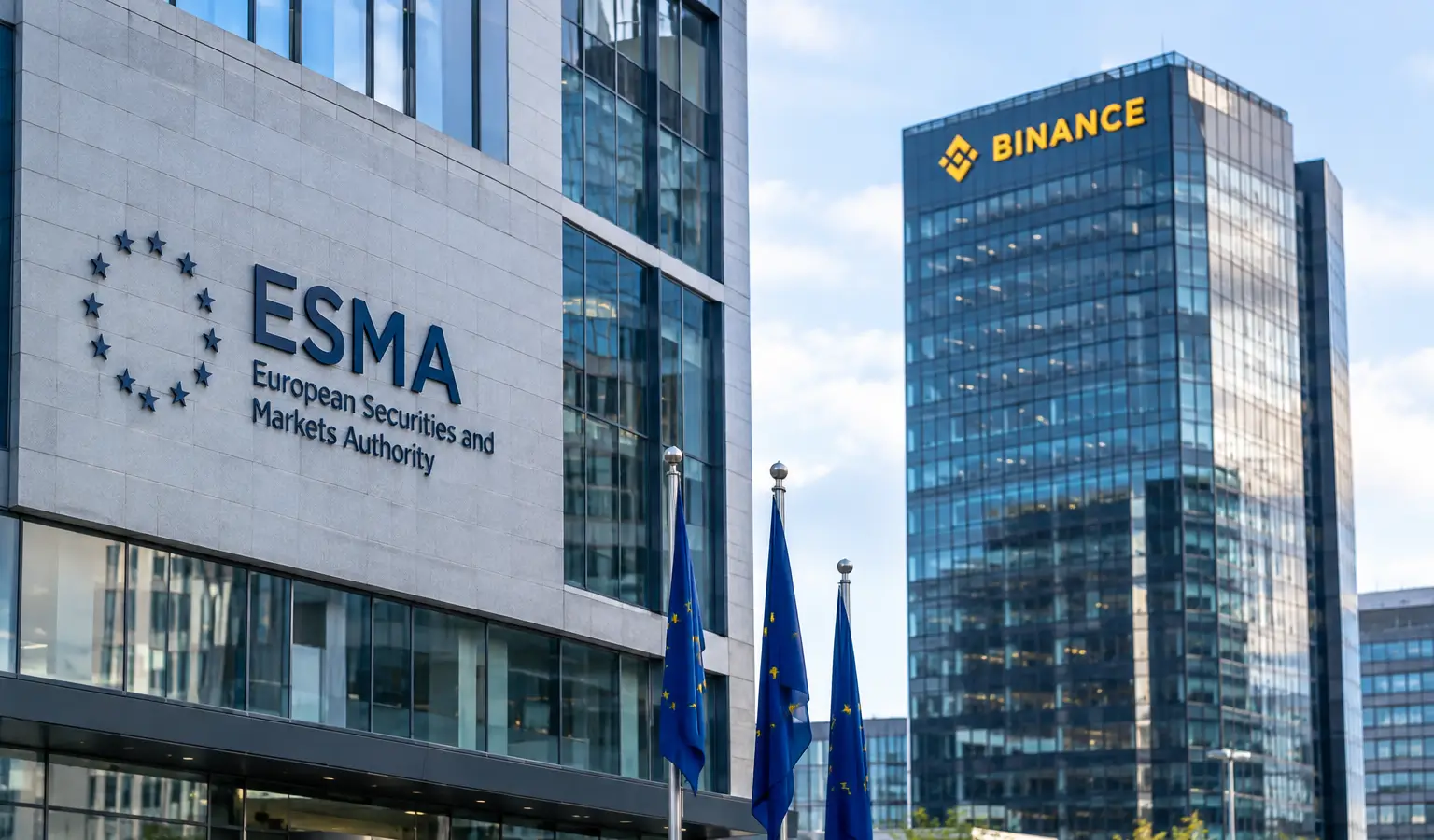
ESMA warns that the reverse solicitation exception under MiCA must not be abused. Binance is still waiting for EU authorization and is also under scrutiny in Greece.
Key Takeaways
- EU regulators are raising questions about Binance because, in their view, the company serves European customers through reverse solicitation.
- ESMA wants this exception to stay very limited and not be used to get around MiCA rules.
- Binance says it is working on MiCA authorization, but it is not yet listed in ESMA’s register of authorized service providers.
EU regulators are once again raising questions about Binance, because the crypto exchange is, according to them, still serving European customers through a legal exception that under MiCA is supposed to be very limited. Binance itself says it complies with the rules in the countries where it operates and is still working toward MiCA approval.
Reverse Solicitation Under Pressure
The core of the debate is reverse solicitation. That means a crypto exchange in the EU is not allowed to offer services without a MiCA license, but it may respond if a user reaches out on their own. According to the Financial Times, Binance would be using that route to still serve some EU customers through its entity in Abu Dhabi.
ESMA has already made it clear that this exception should be interpreted very narrowly. The regulator does not want reverse solicitation to be used to get around the MiCA rules. For European regulators, that matters because MiCA has been the framework for offering crypto services in the EU since July 1, 2026.
Binance Is Still Seeking Approval
Binance told BeInCrypto that it is continuing to work on MiCA authorization. The exchange did not give a date for when that approval might come. Based on the current situation, Binance is also not listed in ESMA’s register of authorized crypto service providers, which suggests the company still does not have a full MiCA license for the EU.
This is not Binance’s first setback in Europe this year. On June 24, the company withdrew its license application in Greece before any decision was made there. The Greek regulator later denied that any pressure had been applied after reports about it surfaced.
Why This Matters for Europe
For European crypto investors, this case shows how strictly MiCA rules are now being enforced. The debate is not just about Binance, but also about how far major crypto exchanges can still go with cross-border services without a local license. ESMA has also recently asked for more powers against non-EU companies that approach European investors without a license, which could increase pressure on the sector even more. Binance has already run into the effects of stricter European rules before, when the company said MiCA pushes users toward self-custody.