BloFin CEO: Bitcoin Cycle Could Become Less Volatile
ETF flows and corporate reserves are shifting Bitcoin’s base, but the recent drop below $80,000 is testing that theory. Glassnode sees $81,500 as an important level for U.S. ETF investors.

Key Takeaways
- BloFin CEO Matt Hu thinks future Bitcoin corrections could become less severe as long-term capital plays a bigger role.
- ETFs and corporate reserves are attracting investors with a longer horizon, which could reduce panic selling during dips.
- Bitcoin fell below $80,000, while Glassnode sees key support around $80,000 to $82,000 and resistance around $85,000 to $87,500.
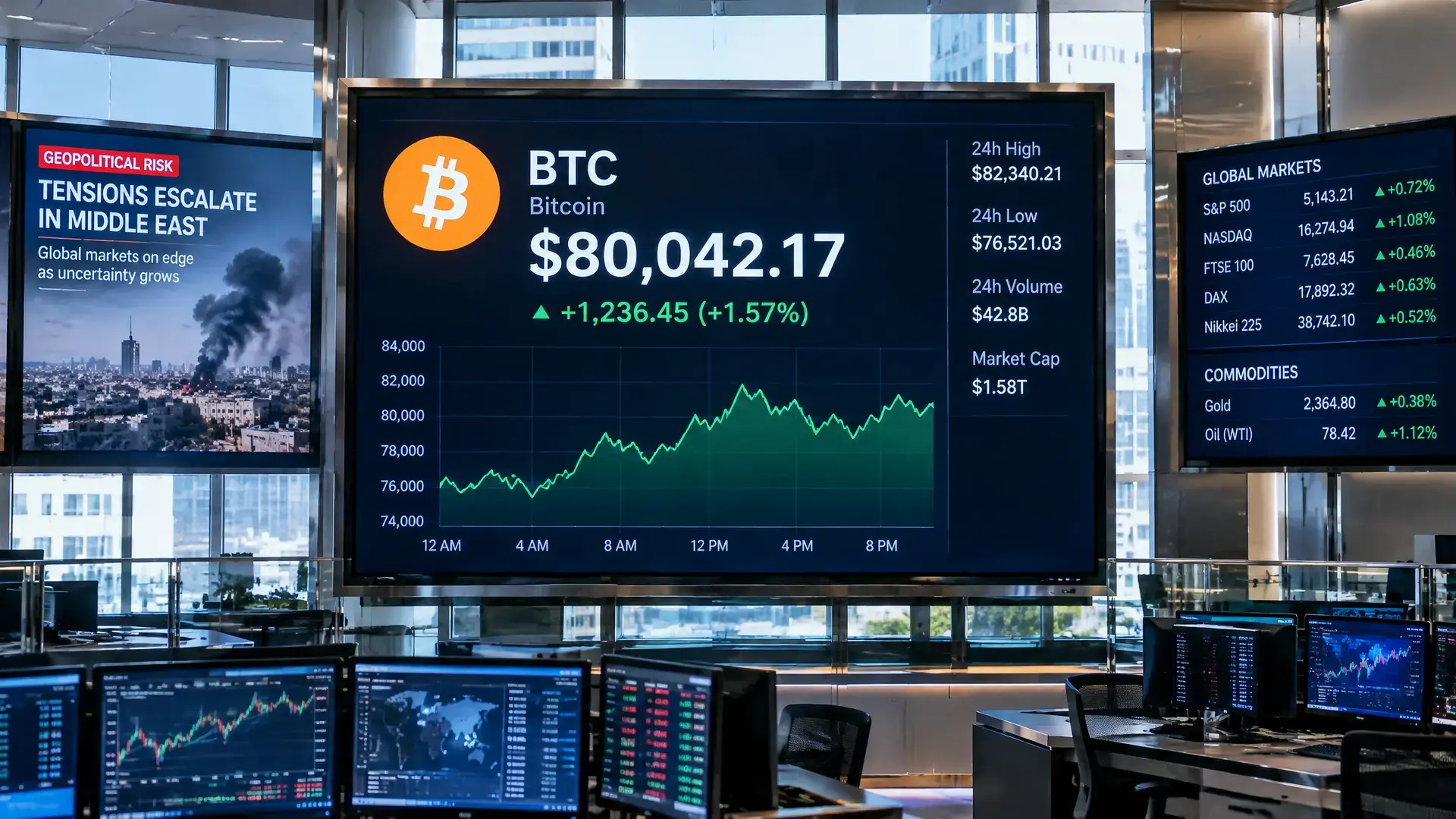
Bitcoin is trading around $80,000 (€71,500) while ETF flows move back and forth and higher oil prices make the interest-rate picture more complicated. Still, BloFin CEO Matt Hu thinks future Bitcoin corrections could be less severe than in earlier cycles.
More Long-Term Capital
Hu told BeInCrypto during TOKEN2049 in Singapore that Bitcoin’s ownership base is changing. In his view, ETFs and corporate reserves are bringing in investors with a longer horizon, which could reduce panic selling during a downturn.
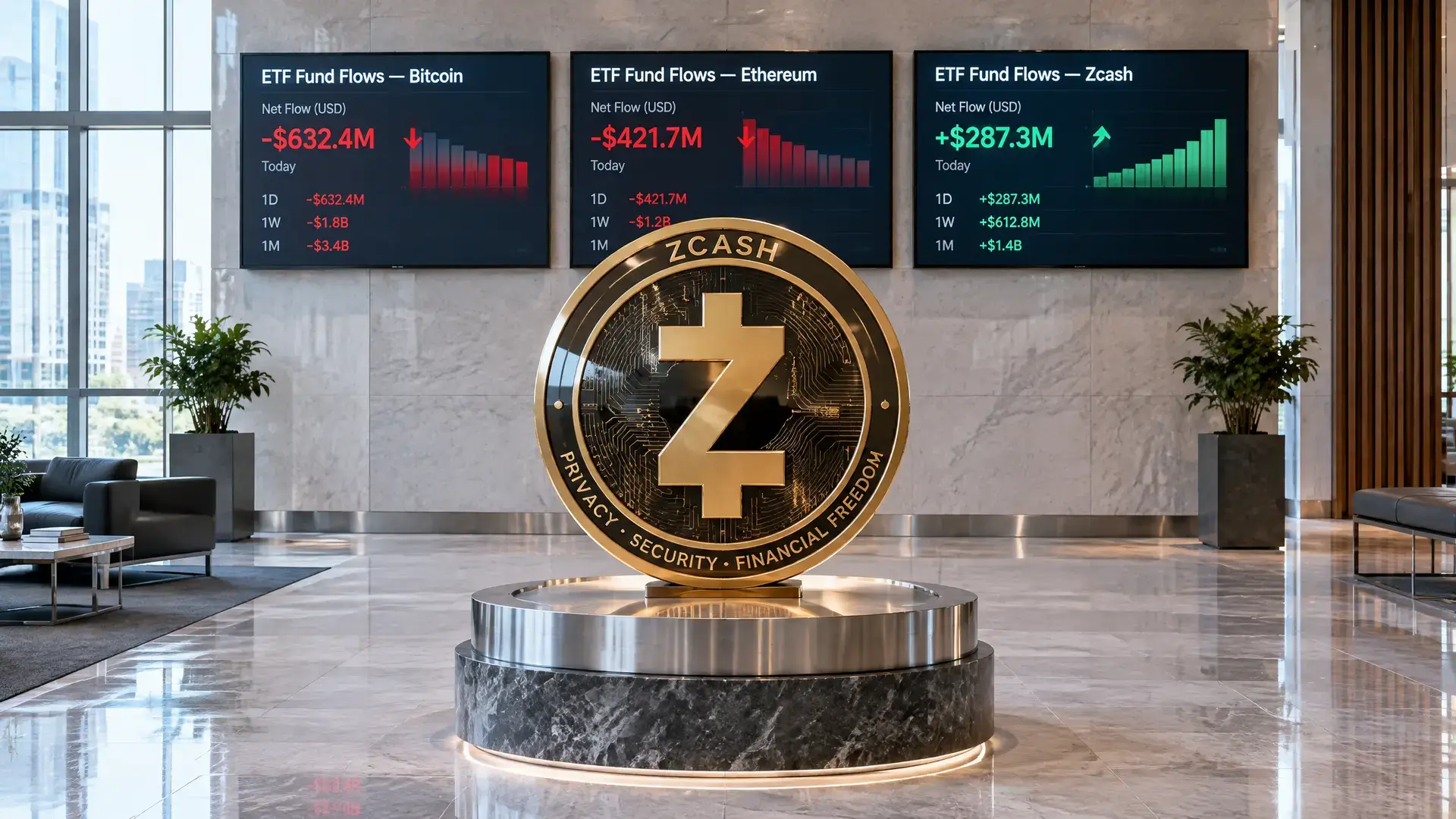
That view lines up with the current market structure. BloFin Research estimates that U.S. spot ETFs together held about 1.3 million BTC, roughly steady since January. The broader picture does show that inflows are not moving in a straight line: on October 22, U.S. spot Bitcoin ETFs posted $635.6 million (€568 million) in net outflows, after three sessions with more than $1 billion (€0.9 billion) in combined inflows. The broader market also remains sensitive to short-term shocks; a recent wave of liquidations showed how quickly sentiment can turn.
A Test for the Market
That theory is now under pressure. Bitcoin fell below $80,000 (€71,500) over the weekend. Glassnode estimates that ETF investors and Bitcoin treasury companies bought at average prices of around $81,500 (€72,800) and $80,200 (€71,700), respectively. If the price stays below those levels for a longer period, both groups would be sitting on average losses.
Hu also pointed to clear signs that would weaken his view: a continued decline in Bitcoin held by ETFs, forced selling by treasury companies, and a shrinking group of long-term holders on the blockchain. Glassnode sees 85,000 to 87,500 as an important resistance level, while losing support around 80,000 to 82,000 could push Bitcoin further down toward 73,000 to 75,000.
Why This Matters for Europe
For European crypto investors, this matters because the U.S. ETF market is playing a bigger and bigger role in global Bitcoin trading. If those funds hold less BTC on a structural basis, that could also show up outside the U.S. in sentiment around Bitcoin. At the same time, the discussion shows that the next cycle may be driven less by fast retail flows and more by institutional allocation.