Bitcoin Doesn’t Need to Panic About a 6% 10-Year Yield
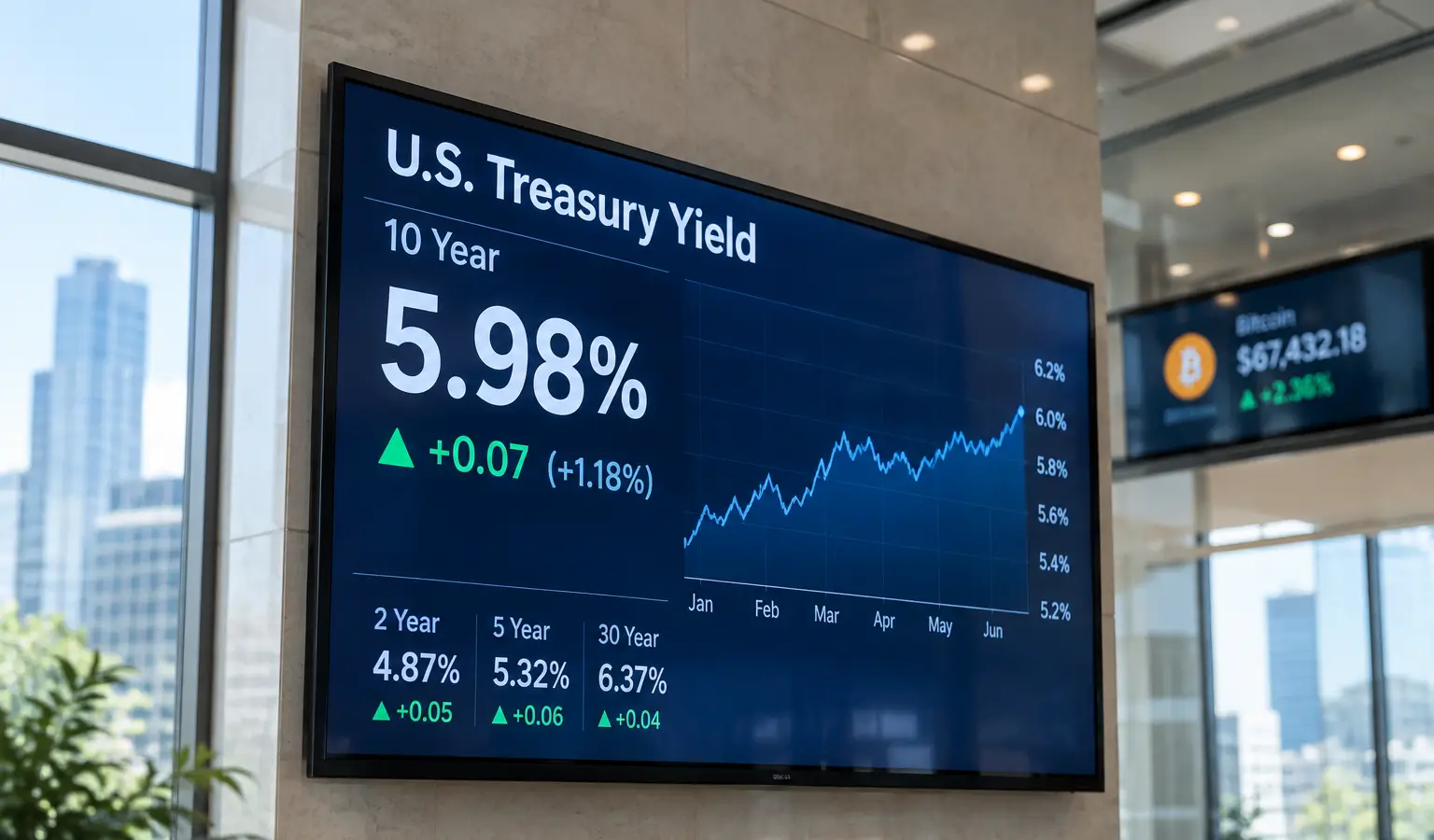
Analysts see a 6% U.S. 10-year yield mainly as the result of budget worries and a higher term premium. For Bitcoin, the cause matters more than the yield level itself.
Key Takeaways
- Analysts see the U.S. 10-year yield possibly moving toward 6% because of fiscal concerns and a higher term premium.
- Bitcoin reacted sharply negative in 2022 to aggressive rate hikes, but rose since late 2023 even as yields also climbed.
- The 90-day correlation between Bitcoin and the 10-year yield is basically zero, so higher yields do not automatically hit BTC.
Analysts warn that the U.S. 10-year yield could move toward 6%, but for Bitcoin investors the reason behind that rise matters most. Since 2022, BTC has reacted very differently to rate moves, depending on whether the market was mainly worried about aggressive rate hikes or instead about budget deficits and higher financing costs.
Rates and Bitcoin Do Not Move in Sync
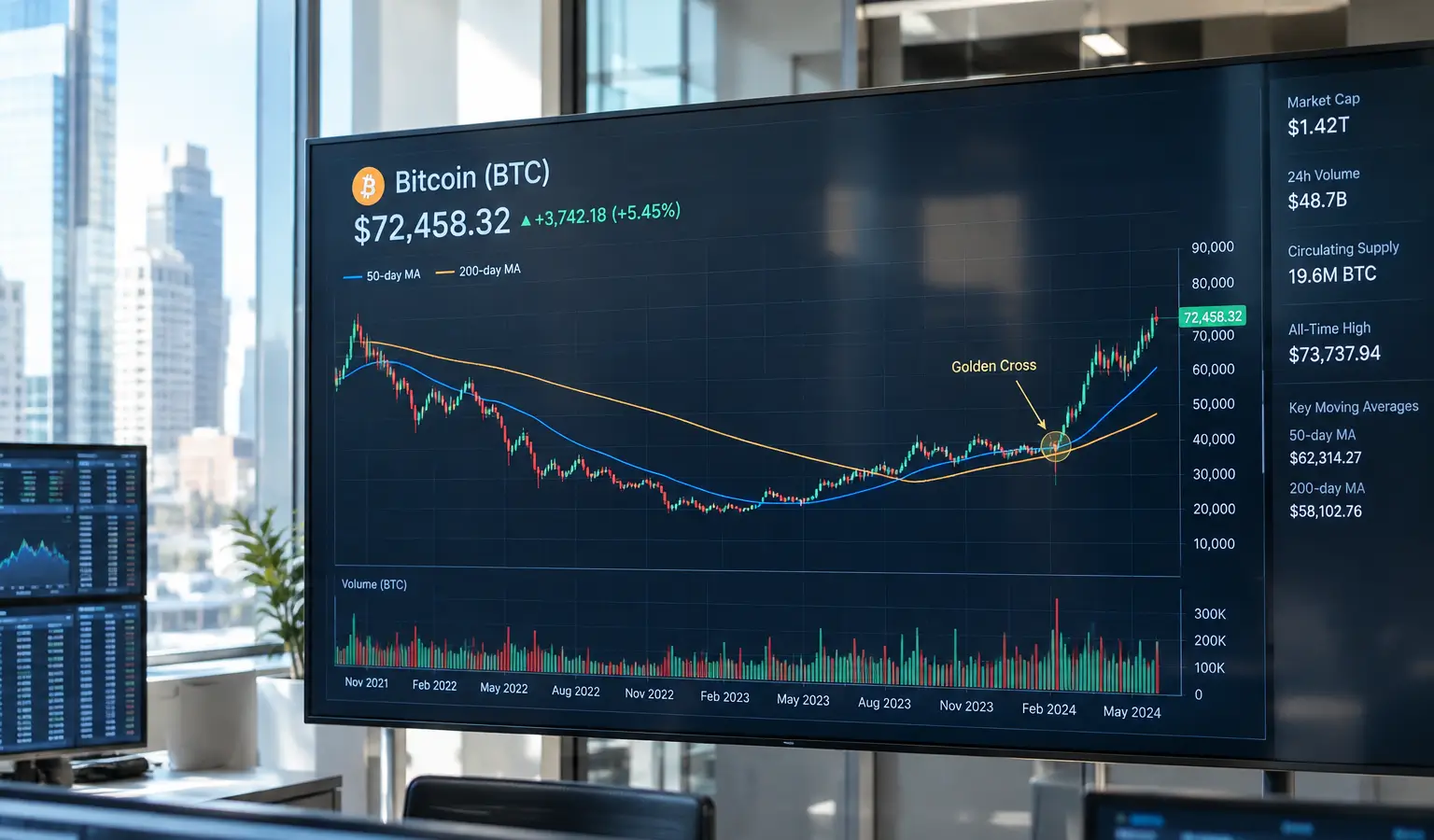
The history of 2022 shows why higher yields were so painful for Bitcoin back then. The 10-year yield more than doubled to 3.88% after the Fed quickly raised rates, with several 50 and 75 basis point moves to fight inflation. Bitcoin fell 64% that year, while the mix of tighter monetary policy, rising yields, crypto scams, and major blowups put even more pressure on the market.
Since late 2023, the picture has been different. The 10-year yield rose by 135 basis points in that period to 5.23%, the highest level since 2007, while Bitcoin roughly doubled over the same stretch to $86,000 (€75,600), despite pulling back from the record above $126,000 (€110,700) in October. That gap shows that a higher yield does not automatically have the same effect on crypto as it did in 2022.
Why Analysts Are Mentioning 6%
According to analysts, a possible move to 6% is mainly tied to fiscal concerns and a higher term premium. In simple terms, that means investors want more compensation for locking money into long-term government bonds because uncertainty around inflation and government debt has increased. U.S. gross national debt passed the $40 trillion (€35.2 trillion) mark in August 2026, which adds to those worries.
Thielen also pointed out that yields are still below nominal GDP growth and far below the growth in federal debt since 2020. Dan Niles also called 6% a plausible upside level, partly because deficits are around 6% of GDP and because major AI companies are now raising a lot of money in the same bond market as the U.S. Treasury.
What This Means for Bitcoin
For European crypto readers, the key point is that Bitcoin does not simply move with the 10-year yield. The 90-day correlation between BTC and that yield is basically zero, according to market data, which suggests the price is often driven by other factors. That makes the 6% debate less of a direct Bitcoin story and more of a broader question about U.S. fiscal worries, growth, and the price of capital.
That fits earlier analysis showing Bitcoin seemed to move more loosely from rates. In a recent market study, that weak link was also highlighted in the relationship between Bitcoin and the 10-year yield.
The warning for Bitcoin bulls still stands, though: if yields rise quickly again because the Fed turns aggressive once more, the 2022 pattern could come back. But as long as the market mainly links higher yields to fiscal risks and a higher term premium, that does not automatically have to mean the same effect on BTC as it did back then.