BitMEX Sued Over 623 Bitcoin Right Before Shutdown
BKX Services and David Namdar are seeking damages in New York and accuse BitMEX and its founders of manipulating liquidations. The case adds to earlier CFTC and FinCEN settlements and the planned shutdown in September.
Key Takeaways
- BitMEX was sued in the US over alleged bitcoin theft and insider trading on the same day the company announced it was shutting down.
- BKX Services and David Namdar say they lost a combined 622.66 BTC through forced liquidations, worth about $40.7 million.
- The exchange had already faced fines and settlements from regulators and will shut down on September 23 after 11 years.
BitMEX is back in the spotlight for all the wrong reasons. The crypto exchange, best known for launching the perpetual swap, was sued in the United States over claims of bitcoin theft and insider trading on the very same day it said it would wind down operations within three months.
The lawsuit was filed in the Southern District of New York by former tokenization project BKX Services and David Namdar. They say they were forced out of 622.66 BTC, which is worth about $40.7 million (€35.7 million). In the complaint, BKX Services says it lost at least 305.81 BTC, while Namdar says his losses topped 316.85 BTC.
Liquidation Claims
According to the plaintiffs, BitMEX and co-founders Arthur Hayes, Ben Delo, and Samuel Reed built a setup that kept customer collateral on the platform and directed any leftover bitcoin into the exchange's insurance fund. They also allege that an internal trading desk had access to private customer information and could continue trading even when the platform's servers froze, while regular users were unable to close out their positions.
BitMEX allowed traders to borrow as much as 100 times their collateral to amplify positions. The complaint says BKX and Namdar were liquidated even though their collateral was still worth roughly twice the amount of the losses. The plaintiffs are also asking for compensatory and punitive damages, and they want the court to let the case proceed as a class action.
Earlier Legal Pressure
This latest case adds to a long list of legal problems for BitMEX. In 2020, the CFTC sued the exchange for operating an unregistered trading platform and violating several rules, including failing to maintain required anti-money laundering controls. That case ended in a $100 million (€87.8 million) settlement with the CFTC and FinCEN in 2021, and in July 2024 BitMEX pleaded guilty to violating the Bank Secrecy Act and received another $100 million (€87.8 million) penalty.
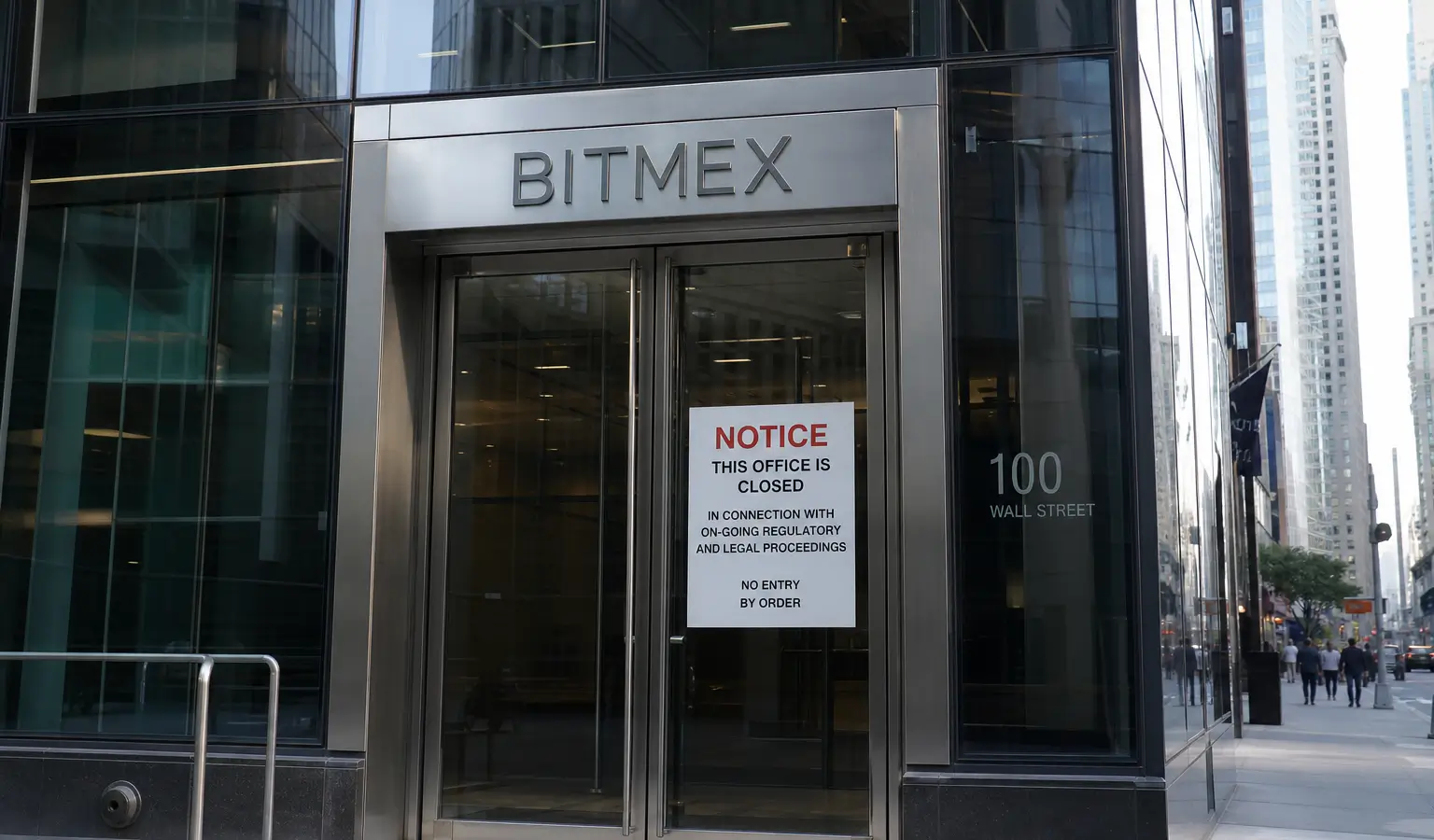
Against that backdrop, the shutdown announcement stands out even more. On July 23, BitMEX said it would close on September 23 after 11 years in business. The decision came after a strategic review by parent company HDR Global Trading and a wider management overhaul, with the CEO, CFO, and head of growth among those who left last month.
The closure follows a broader restructuring at the platform. In a separate report, it was already clear that BitMEX is shutting down after 11 years and tightening withdrawals, with users needing to unwind positions and withdraw funds before the exchange goes offline.
Why This Matters
For European crypto readers, the case is another reminder that older derivatives platforms are still being judged on the market structure and compliance choices they made years ago. BitMEX introduced the first perpetual swap in 2016, and that product has since been copied across much of the crypto market. At the same time, the combination of a class action, regulatory cases, and a planned shutdown shows just how much legal and operational pressure can build up around a crypto company.