Brazilian Crypto Licenses Attract Banks and Exchanges
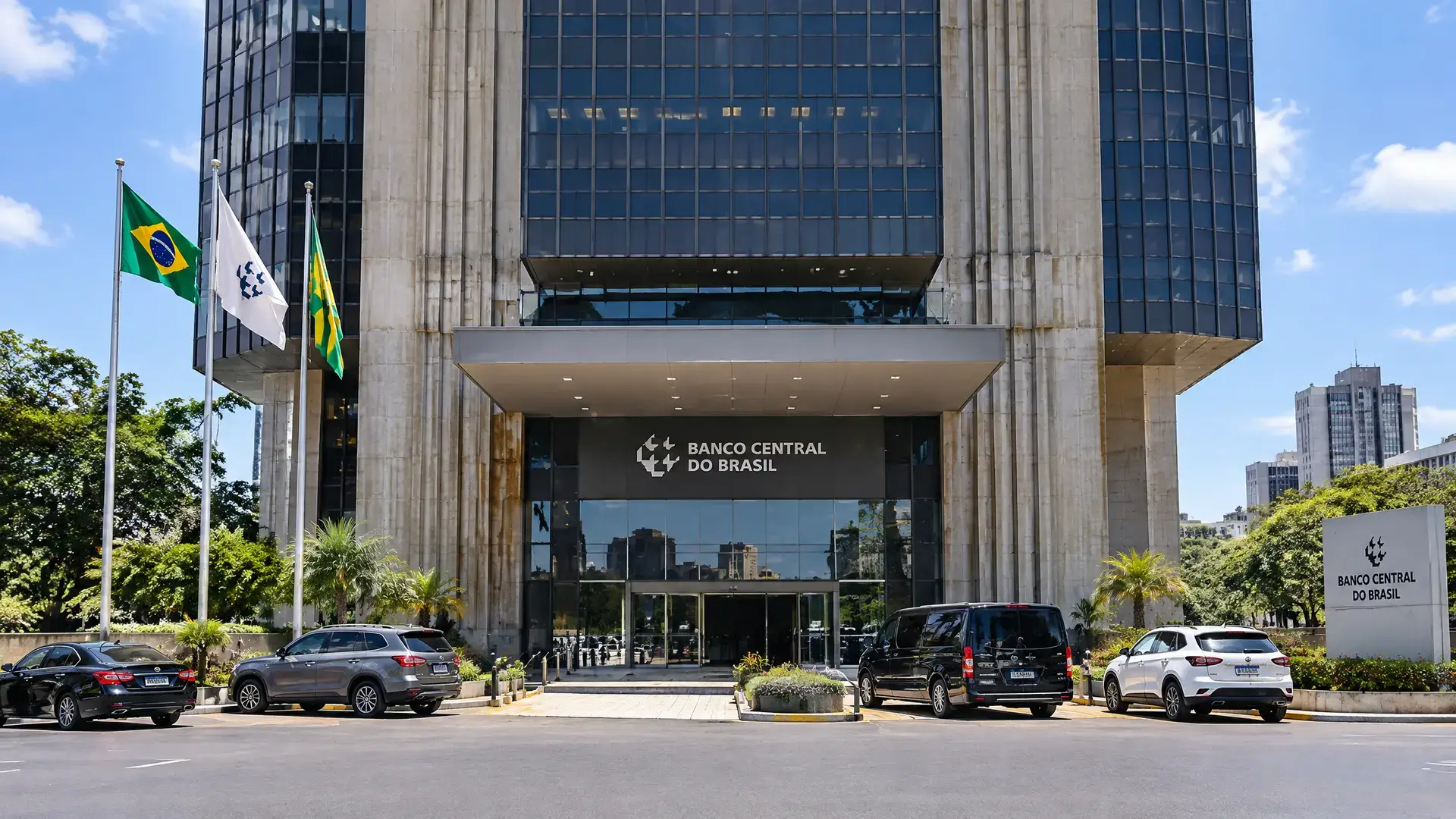
Itaú, Bradesco, Nubank, and exchanges like Binance and Coinbase submitted applications under the new framework from the Central Bank of Brazil. Unapproved providers now risk being cut off from the banking system.
Key Takeaways
- Brazil received applications from 68 institutions, including major banks, the B3 exchange, and international crypto exchanges.
- The new rules require crypto providers to get approval from the Central Bank of Brazil and meet stricter compliance requirements.
- Companies that applied on time can keep operating for now; latecomers must stop and could lose access to banking.
Brazil let the deadline for crypto applications at the central bank pass with a surprisingly large group of applicants. Among the 68 institutions that reportedly signed up, according to a tracker, are the country's biggest banks, Brazil's main exchange, and some of the world's largest crypto exchanges. For Brazil's crypto market, that's a clear sign that regulation is really becoming the norm.
Banks and Exchanges Apply
The list of applicants includes Itaú Unibanco, Bradesco, Nubank, Banco Inter, BTG Pactual, B3, and several other financial firms. Binance, Coinbase, OKX, Bybit, Kraken, Bitget, and local names like Mercado Bitcoin and Foxbit are also on it. In addition, stablecoin, payments, and infrastructure companies such as Ripple, Transfero, RedotPay, and Parfin have also submitted applications.
The fact that traditional banks are taking part so visibly matters. Many of these firms already have a license from the central bank and were therefore able to submit their notification for virtual activities through a simpler reporting process. B3 wants to offer custody services in addition to intermediary services and is tying that to a broader move toward tokenized financial products. In the same vein, Itaú Unibanco was already the first major bank to report its crypto activities under Brazil's new rules.
Stricter Rules for the Market
The applications fall under Brazil's virtual asset framework, which is set out in law 14.478/2022 and worked out through BCB resolutions 519, 520, and 521. Those rules require crypto service providers to get approval from the Central Bank of Brazil in order to operate legally. In practice, that also means firms have to meet requirements around governance, internal controls, cybersecurity, and anti-money laundering rules.
Under the rules, companies that filed on time may keep operating for now while the central bank reviews their case. Firms that missed the deadline must stop offering services within 30 days. In addition, since October 30, banks and other institutions authorized by the central bank are no longer allowed to carry out transactions with unauthorized crypto providers. For companies that get left out, that could sharply limit access to the Brazilian banking system.
Why This Matters Beyond Brazil
According to Chainalysis, Brazil is Latin America's largest crypto market and ranked first in the Global Crypto Adoption Index in 2026. Between July 2025 and June 2026, $252.5 billion (€226 billion) in crypto activity moved through the country, accounting for nearly half of all crypto value flowing through the region. For European readers, this shows how quickly a major market is trying to bring crypto into a regular banking framework, with clear consequences for exchanges, stablecoin companies, and payment firms.