Itaú Unibanco Reports Crypto Brokerage Under New Brazilian Rules
Itaú offers Bitcoin, Ether, and USDC through trading and custody; the report to the central bank follows Resolution 520, which imposes stricter requirements on banks and crypto providers.
Key Takeaways
- Itaú Unibanco has reported its crypto trading and custody to the central bank under the new Brazilian rules.
- The bank is the first private bank in Brazil to take this step under the new framework for crypto services.
- Resolution 520 sets stricter requirements, including a reporting obligation, technical certification, and rules for customer funds, audits, and reserves.
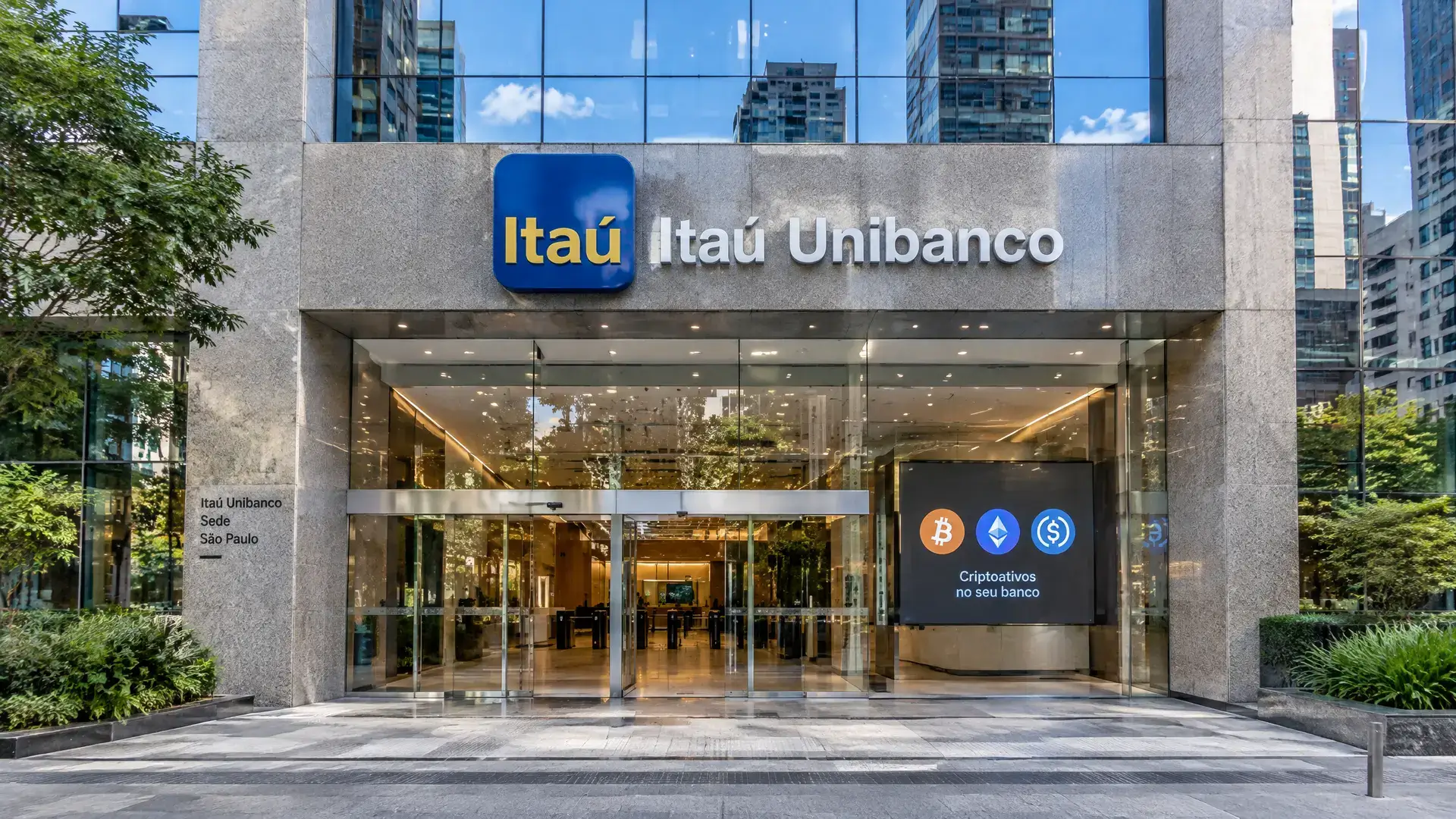
Itaú Unibanco has officially reported its crypto trading and custody under the new Brazilian rules. That makes the country’s largest private bank the first bank to take this step within the new framework for crypto services.
The report was sent to the central bank on Tuesday, just before the October 30 deadline. Under the rules, banks that have already been approved by the central bank may continue offering crypto services through a report, while separate crypto providers must first apply for a license.
What Itaú Is Doing Now
According to its website, Itaú offers 15 cryptoassets, including Bitcoin, Ether, and the dollar stablecoin USDC. The bank launched the service in December 2023 and has not disclosed figures on the number of customers or trading volume.
The combination of trading and custody falls under the brokerage category in Brazil’s rules. That matters because with Resolution 520, the central bank not only introduced a reporting requirement, but also tied stricter standards to who is allowed to offer crypto services.
Stricter Brazilian Requirements
Resolution 520 took effect on February 2 and gave existing firms 270 days to report themselves. Anyone who misses that deadline must stop offering crypto services within 30 days. Existing crypto providers were given a similar window to apply for a license.
The rules go beyond just filing a report. The central bank also requires independent technical certification. On top of that, providers must show they meet requirements around separating customer funds, audits, and proof of reserves. For European readers, the key point is that Brazil is setting a clearer framework for banks and crypto companies, with tougher requirements for firms that want to offer crypto at scale. Banks in other markets are also moving toward regulated crypto services; for example, Sparkasse recently started offering crypto trading in its banking app for German customers.
More Pressure on Market Structure
Brazil’s new approach affects more than just banks. In September, the central bank also pushed back the date when banks and other approved institutions are no longer allowed to do business with unauthorized crypto firms. That sharpens the line between regulated and unregulated providers, especially in a market where stablecoins and international transfers are becoming more important.