Brazilian Regulator Sets Up Task Force for Tokenized Securities
The CVM wants to use an experimental framework to bring clarity to registration, custody, and settlement for tokenized securities. The approach could help shape Brazil's rules for RWA and sandboxes.
Key Takeaways
- Brazil's securities regulator, the CVM, has created a working group to develop an experimental framework for tokenized securities.
- The group is expected to draft rules for registration, custody, trading, and settlement using distributed ledger technology.
- Brazil is building on earlier guidance, sandbox trials, and Resolution 88 for tokenized securities.
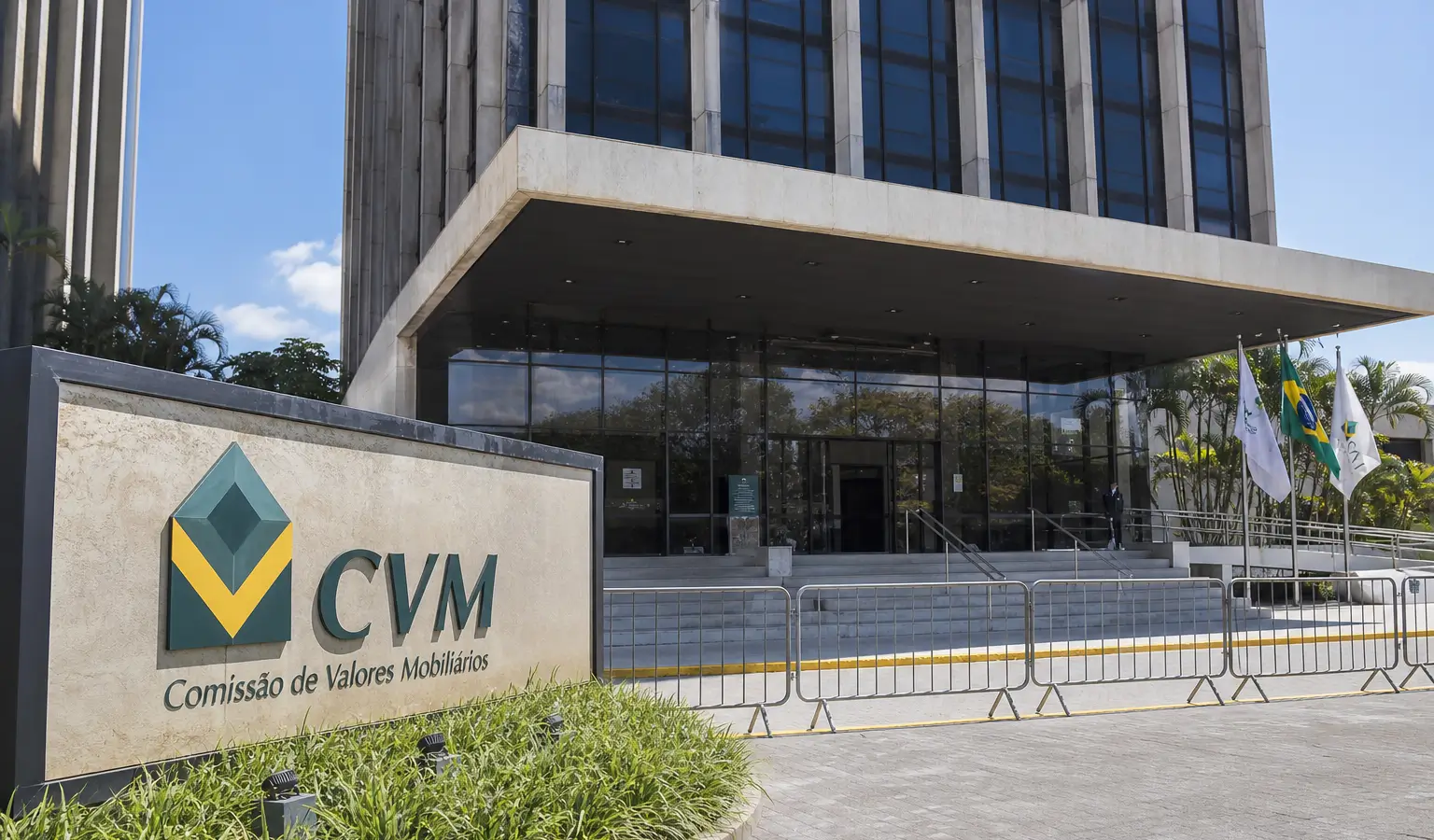
Brazil's securities regulator Comissão de Valores Mobiliários (CVM) has formed a working group to develop an experimental framework for tokenized securities. The goal is to make the rules around registration, custody, trading, and settlement for securities issued on distributed ledger technology much clearer.
The group must deliver its first proposal to the CVM board within 60 days of being officially created. The full review period lasts 120 days and may be extended by another 30 days. The regulator said the working group brings together 14 departments and may also consult government agencies, market associations, self-regulatory organizations, and outside specialists.
Focus on Ownership and Custody
The new group is not only looking at the token itself. It is also examining the infrastructure and responsibilities around it. That is important because blockchains can bundle together functions that are usually handled separately by exchanges, custodians, registrars, depositories, and settlement systems.
That creates a set of practical questions: who keeps the official ownership record, how private keys are protected, when a transaction can be reversed, and who is responsible if something goes wrong. The CVM also said it will factor in cybersecurity risks, international regulatory approaches, and the results of earlier sandbox programs.
Building on Earlier Rules
Brazil has long taken the view that a token's economic characteristics determine whether it falls under securities law. In 2023, the CVM said in earlier guidance that using blockchain does not, by itself, change whether an asset qualifies as a security.
That approach fits with the regulator's earlier tests of blockchain-based issuance and secondary trading through a regulatory sandbox. Resolution 88 from 2023 also already established a framework for tokenized securities on crowdfunding platforms, mainly to make issuance easier for small and midsize companies.
Why This Matters for Tokenization in Latin America
For European crypto and market watchers, the main point is that Brazil is moving beyond isolated pilots and trying to build a more complete framework for tokenization. The country already has a growing real-world asset market, and the CVM is now working to clarify which parties are responsible for ownership, custody, and settlement.
That could be important for international firms that want to issue or trade tokenized investment products under a legal framework that looks closer to traditional securities rules. It also suggests regulators are starting to treat tokenization as a market infrastructure issue, not just a blockchain experiment.
The discussion is heading in the same direction elsewhere too: the IMF warns that tokenized assets will stay small without legal clarity, mainly because ownership, settlement finality, and jurisdiction all need to be clearly defined.