Cardano Stablecoin Draws Attention With Nearly 50% APR on Strike Finance
Strike Finance shows nearly 50% APR on the Cardano stablecoin sUSDrf, but the yield token takes losses first. At the same time, Bodega Market is launching a prediction market around the $1 million deposit threshold.

Key Takeaways
- Bodega Market launched a market on Strike Finance about reaching $1 million in deposits for RealFi’s Cardano stablecoin.
- The vault on Strike shows nearly 50% APR, but according to the code, sUSDrf takes the portfolio’s losses first.
- Strike accepts sUSDrf as collateral; on October 17, the vault held nearly $100,000, later topped up with $50,000.
Bodega Market is letting users bet on whether RealFi’s Cardano stablecoin will reach $1 million (€0.9 million) in deposits on Strike Finance. At the same time, the vault on Strike is showing a return of nearly 50% APR, but that high number comes with a clear catch: the yield-bearing token takes the portfolio’s losses first.
How the Yield Works
RealFi issues USDrf, a dollar-pegged token backed by real-world assets off-chain. According to the project, that portfolio includes direct loans to companies, U.S. Treasury bills, and floating-rate bonds. The staked version, sUSDrf, tracks that portfolio and, according to RealFi’s code on GitHub, absorbs losses first before regular holders are affected.
That makes the setup different from a simple savings account with a fixed interest rate. Strike Finance, a Cardano perpetual futures exchange, now also accepts sUSDrf as collateral. The dashboard showed an APR of 49.31%, with about $119,200 (€105,900) in loans backed by the token.
Why the Market Is Watching
For comparison, three-month U.S. Treasury bills yielded about 4.3% on October 15, according to Federal Reserve data. Strike also allows users to borrow up to 100% of the underlying value, which means the full value of the collateral can be withdrawn.
RealFi has not explained on its website exactly how the return behind that percentage is generated. That makes the vault especially interesting for traders who want to see whether the inflows are being driven mostly by the high yield, or by a smaller group of large holders.
A Small Test for Cardano
On October 17, Strike said the vault held nearly $100,000 in Cardano stablecoin. Within an hour, another $50,000 (€44,400) in deposits came in. Hoskinson then asked who wanted to make a market on reaching $1 million (€0.9 million), after which Bodega confirmed the market was live.
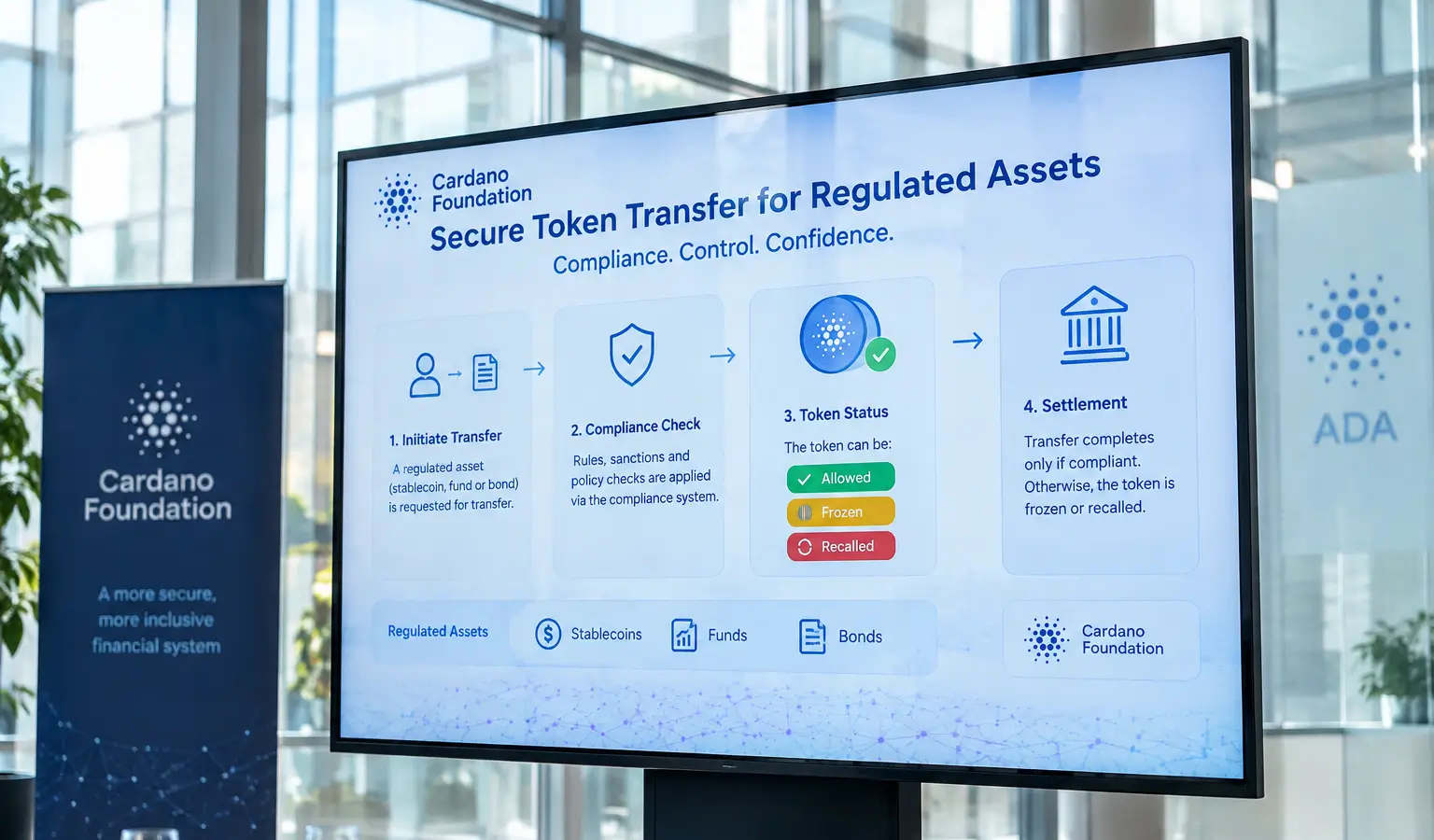
For European crypto followers, this matters because it shows how stablecoin yields, collateral, and prediction markets are getting closer together. The example also shows that a high APR is not separate from risk, especially when losses hit the staked token first. That fits into the broader discussion about regulated stablecoin infrastructure on Cardano, where identity checks and transfer limits are becoming more important. That matters even more now that Cardano is pushing further into regulated financial use cases and getting more attention around stablecoins and compliance.