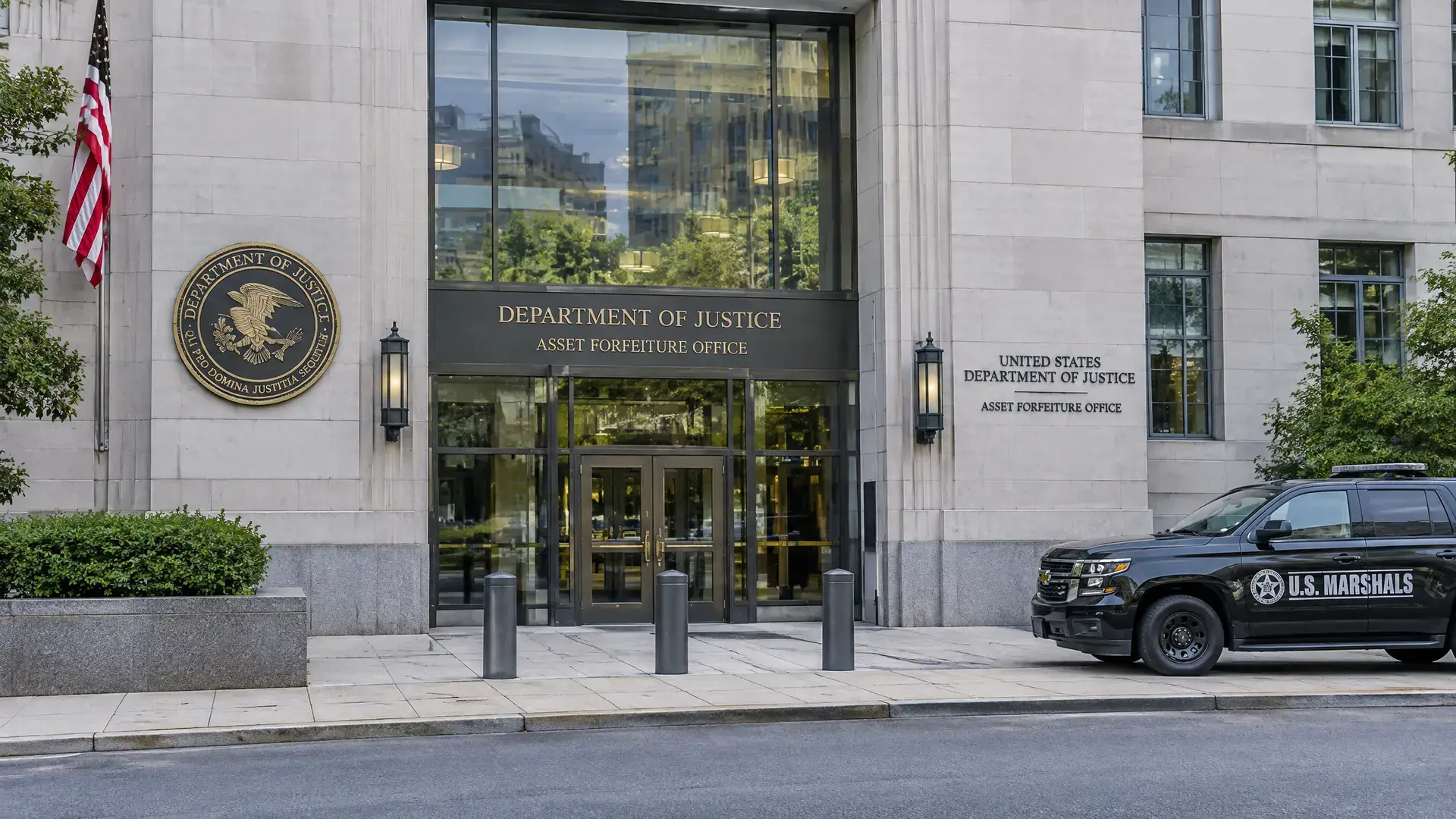
CFTC Pulls Utah Into Kalshi and Prediction Markets Case
The regulator wants to stop Utah from blocking Kalshi’s event contracts, while the fight over oversight of prediction markets is already playing out in ten states.
Key Takeaways
- The CFTC has filed a federal lawsuit to stop Utah from blocking prediction market betting tied to Kalshi.
- The regulator says event contracts fall under its exclusive authority, not Utah’s state authority.
- The case is part of a broader legal fight, with the CFTC already pursuing cases against ten states and judges issuing split rulings.
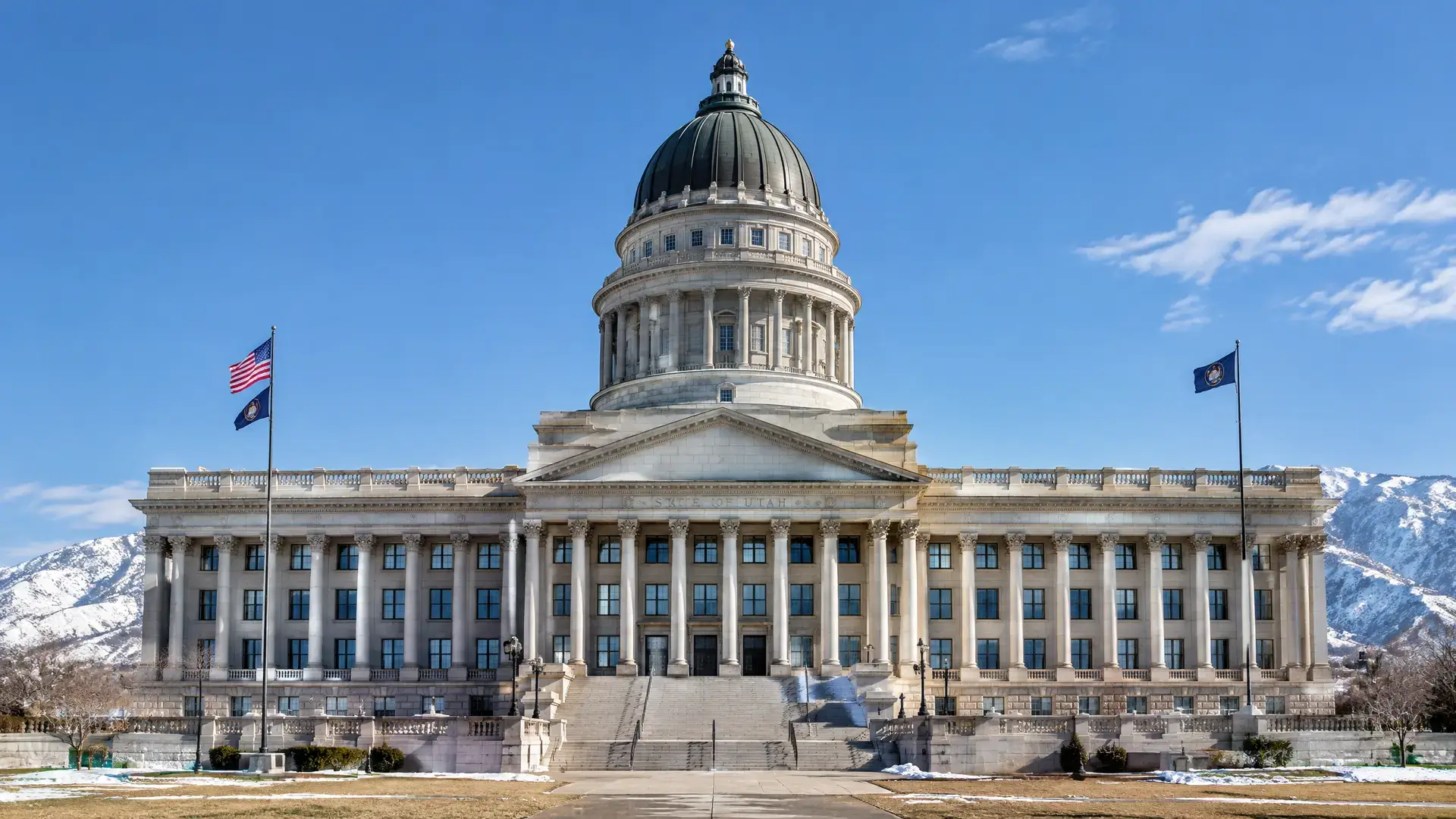
The U.S. regulator CFTC has filed a federal lawsuit to stop Utah from blocking prediction market betting in the state. The dispute centers on whether Kalshi can offer contracts in Utah that look like bets, even though gambling is constitutionally banned there.
Fight Over Oversight
The CFTC is asking the court to pause the enforcement action by Utah’s attorney general from last week. That action was meant to restrict Kalshi from offering these products to state residents. According to the regulator, this falls under its own authority, not the state’s.
CFTC Chair Mike Selig said event contracts are not just for hedging and investing, but also provide information about the outcome of future events. With that, he again defended the view that the CFTC should be the only regulator for prediction markets.
More States in the Picture
The case is not happening in a vacuum. The CFTC is already pursuing cases against ten states and has also said in other lawsuits that it claims exclusive control over prediction markets. In earlier cases, the regulator has taken the same position in Wisconsin and Massachusetts, among others, showing how broad the conflict has become.
The legal fight has become even more complicated because federal judges have issued different rulings. Three federal appeals courts reached two decisions in favor of the states and one in favor of Kalshi. In Utah itself, a federal judge previously sided with the state, and that case is still on appeal.
Why This Matters
For European crypto followers, this is especially relevant because prediction markets are increasingly touching the line between crypto, derivatives, and regulation. The outcome could show how strictly U.S. regulators want to define their own role, even when products fall outside the traditional crypto market. That makes the Kalshi case more interesting than just a local dispute in Utah.
The debate is also still heated in U.S. politics. Gary Gensler, the former SEC chair who is well known in crypto circles, filed a brief with the Supreme Court arguing that the law the CFTC relies on was not meant to shift sports betting from the states to the regulator. Former Senator Chris Dodd also backed Utah’s position in an amicus brief.
Meanwhile, the broader market for event contracts is growing fast. In a recent deal between the CFTC, the NBA, and Kalshi, it became clear how sports leagues and prediction markets are becoming more closely linked.