U.S. Sells FTX Stake in Anthropic for $627 Million
The proceeds will go to the FTX estate, while the U.S. settles forfeited assets from the fraud case. Anthropic bought back the shares just before its S-1 filing.
Key Takeaways
- The U.S. government sold an FTX-related stake in Anthropic for $627 million, and the proceeds went to the FTX estate.
- Nine buyers received the shares, which are together worth about $3.94 billion based on a $1.5 trillion valuation.
- The stake was created in 2022 through Caroline Ellison and Nishad Singh and was forfeited to the government after FTX collapsed.
The U.S. government sold an FTX-related stake in AI company Anthropic for $627 million (€562 million). The proceeds went to the FTX estate, while nine buyers received the shares, which are together worth about $3.94 billion (€3.5 billion) based on a $1.5 trillion (€1.3 trillion) valuation.
How the U.S. Became the Owner
The stake was created in 2022, when Caroline Ellison and Nishad Singh together invested $50 million (€44.8 million) in the young AI startup. Ellison ran Alameda Research, FTX's sister trading arm, and Singh was an executive at the crypto exchange. After FTX collapsed, their shares had to be handed over to the government as proceeds of crime.
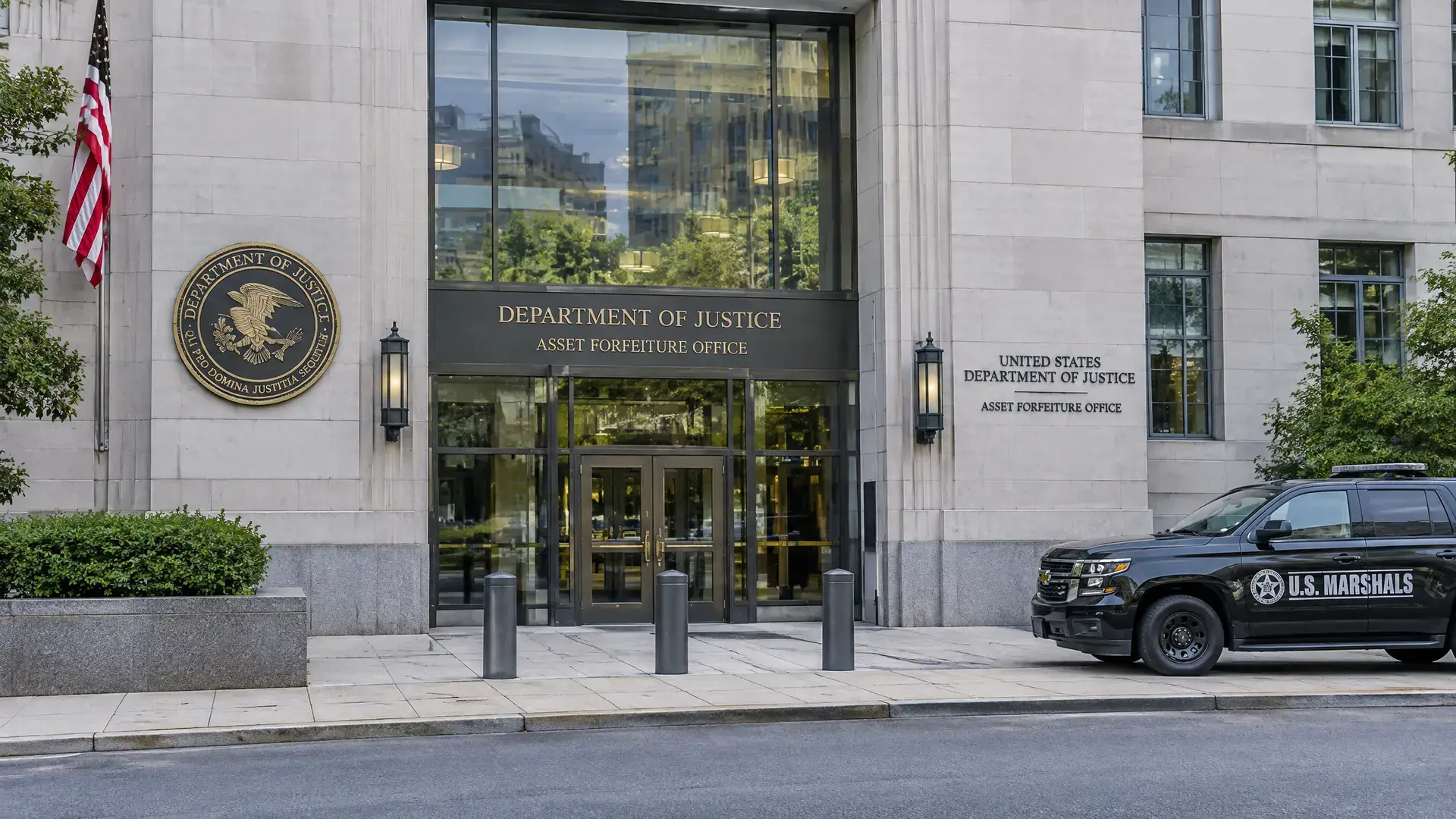
According to the documents, the U.S. government owned the shares in April 2025. That fits into a broader practice in which the U.S. seizes and forfeits assets tied to fraud or money laundering. The Marshals Service also often plays a role in that process.
What Anthropic Disclosed
Anthropic filed its S-1 on October 26, the document required before a company goes public. In it, the company does not name Ellison and Singh directly, but it does describe 4,453,900 Series B shares that were “forfeited by former holders in legal proceedings to which we were not a party.” That number matches the original $50 million (€44.8 million) purchase.
Anthropic bought the shares back from the government in October 2025 for $140.9676 (€126) per share and then resold them at cost to nine parties. Who those buyers are has not been disclosed. At the current valuation, their stake could be worth much more than what they paid.
Why This Matters
For European crypto readers, this case shows how big the fallout from FTX still is. The estate has already paid out billions to creditors and keeps distributing money in rounds, while the U.S. government is also winding down other forfeited assets. That makes this not just a story about AI, but also about how fraud cases can keep affecting the crypto industry years later. The broader shift in oversight to the SEC and CFTC also shows how U.S. regulators and courts are increasingly shaping how these cases are resolved.