SEC and CFTC Step In After Clarity Act Fails
The SEC and CFTC are filling the gap with new proposals for tokenized stocks, custody, and retail trading. But the legal foundation for DeFi and spot markets remains limited.
Key Takeaways
- The failure of the Clarity Act is shifting U.S. crypto regulation to the SEC and CFTC.
- The SEC and CFTC are taking steps around tokenized stocks, leveraged retail crypto trading, and custody rules.
- Lawyers say that without new congressional policy, key questions about oversight and legal certainty will remain open.
The failure of the Digital Asset Market Clarity Act has shifted the next phase of crypto regulation in the U.S. to the SEC and the CFTC. According to market participants, that opens the door to more trading, tokenization, and onchain deals, but it also leaves one core question unanswered: how much certainty can regulators provide without new congressional policy?
Agencies Fill the Gap
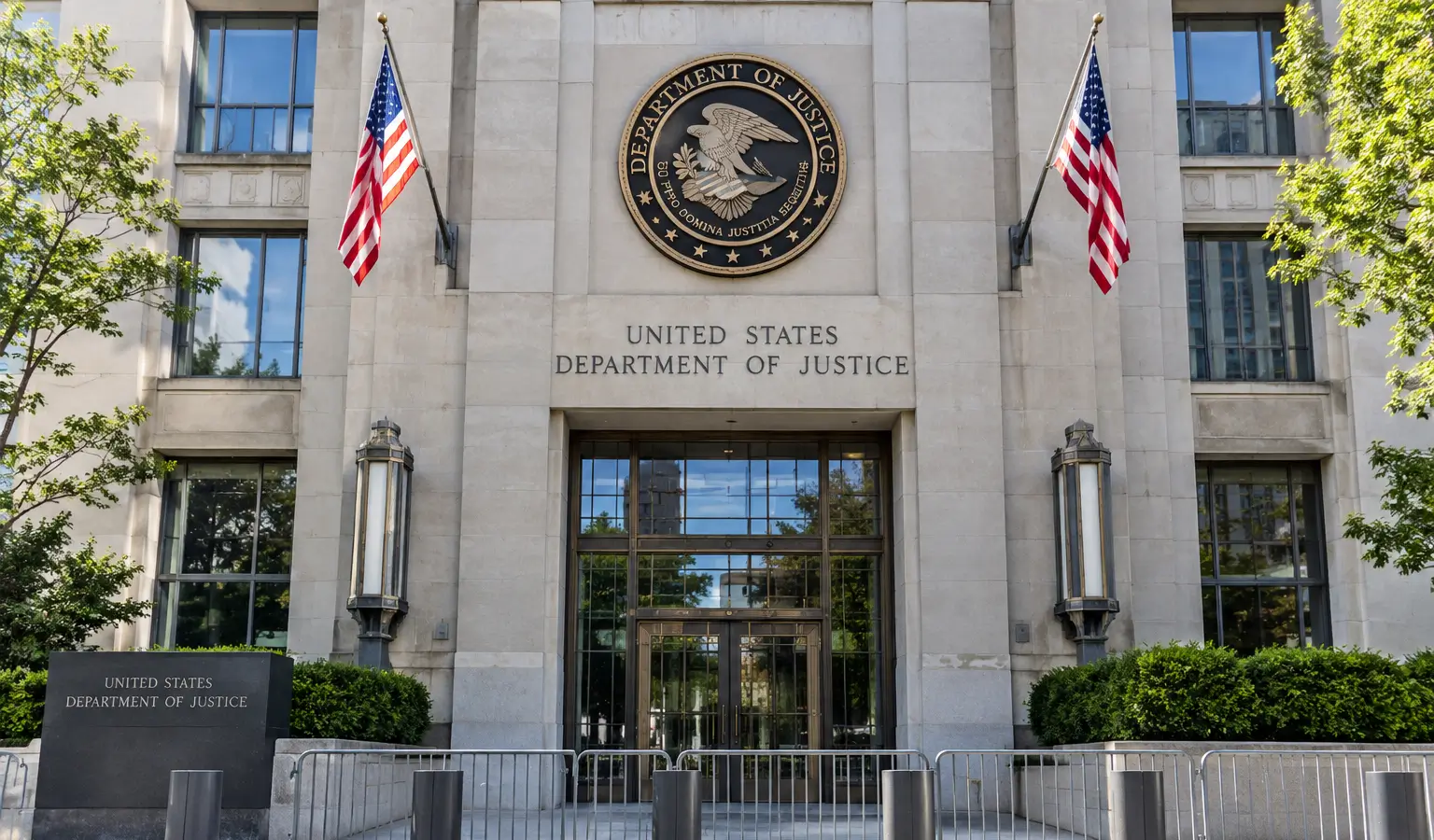
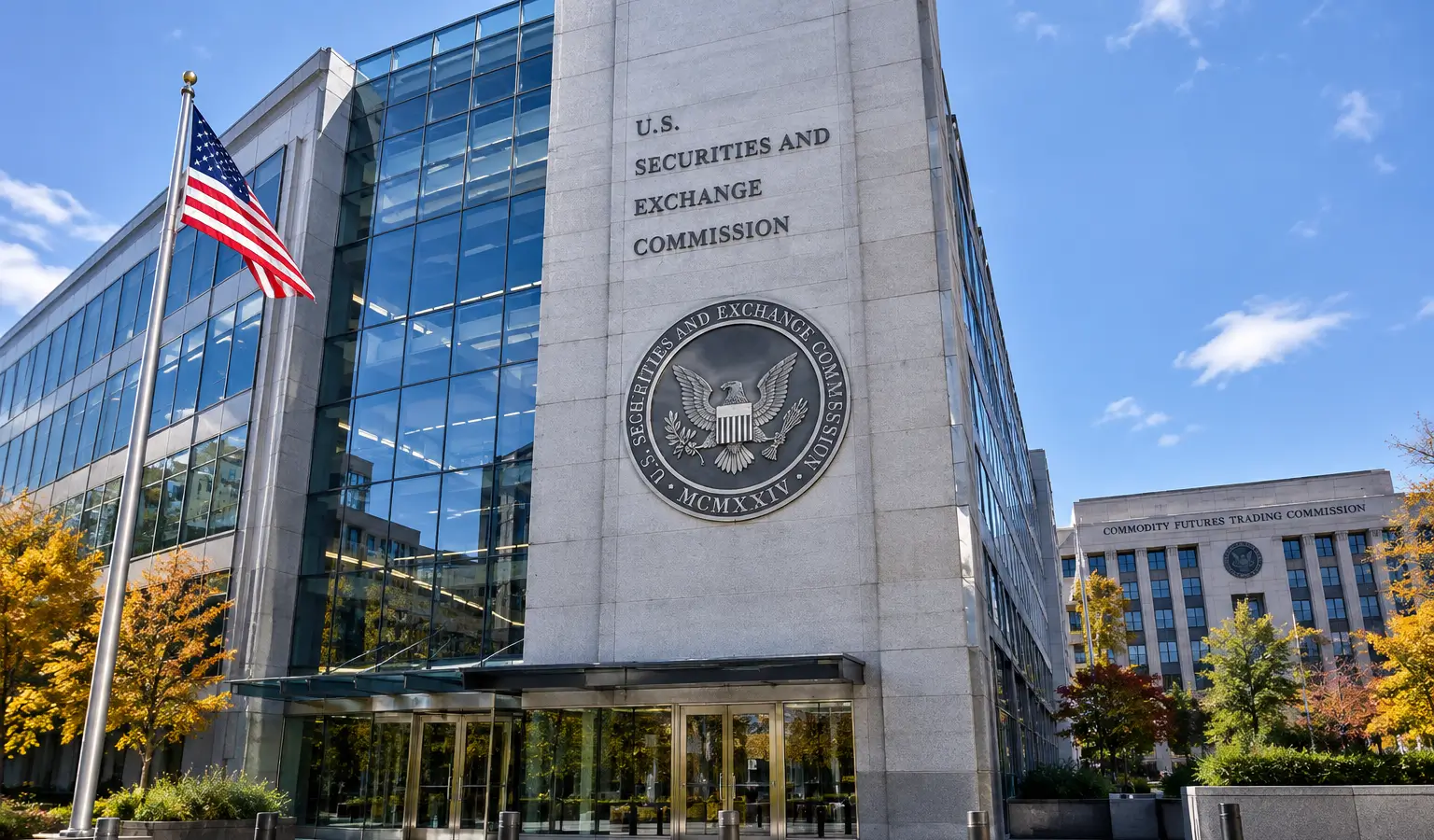
The SEC and CFTC are now moving quickly to fill that gap. On September 17, the SEC introduced a five-year Innovation Exemption, allowing qualified trading platforms to trade tokenized U.S. stocks through blockchain liquidity pools while permanent rules are being developed. That fits into the broader shift toward tokenized stocks, which is also reflected in the SEC opening the door to tokenized stocks on blockchain.
The CFTC followed on October 5 with a request for feedback on rules for leveraged retail crypto trading and a new registration category for crypto markets. That is not an immediate rollout of new rules, but it is the start of a long process of consultation and rulemaking. On October 1, the SEC also proposed a custody rule that would allow state trust companies to hold crypto for clients and would let advisers and funds keep custody themselves under certain conditions.
Why This Matters for Europe
For European crypto readers, the main point is that U.S. regulators now seem to be moving faster than Congress. That could widen the gap between markets where rules are already more developed and the U.S., where a lot still has to be filled in through agency action. At the same time, it shows that tokenization and DeFi are increasingly on the radar of major regulators, even if the law itself is lagging behind.
Uncertainty Still Remains
According to lawyers, this still does not answer the biggest question. Without legislation, oversight of trading platforms, intermediaries, DeFi, and spot markets remains harder, while that spot market in particular still lacks broad federal coverage outside the CFTC's anti-fraud and anti-manipulation powers.
Lev Breydo, assistant professor of law at William & Mary Law School, said Clarity also exposed internal tensions in the industry, from ethical provisions to the debate over yield with community banks. He expects only Congress can provide a truly durable framework.
Other market participants, meanwhile, see opportunities in the faster route through regulators. KBW CEO Paul McCaffery said the SEC and CFTC are already moving proactively and could spark a wave of M&A in digital assets, traditional financial services, and fintech. Bitwise CIO Matt Hougan called the agency approach more favorable in the short term than legislation that would still require years of follow-up rules.
Still, the question remains how solid the new rules will ultimately be. Lawyers and executives agree that the direction is becoming clearer, but not that the outcome is already set.