Kalshi Investigates Early Bets on Trump Pick Zacharia
Kalshi is looking into whether three small wagers on Katie Zacharia were placed before her appointment was announced. The case puts CFTC oversight questions around prediction markets back in the spotlight.

Key Takeaways
- Kalshi is investigating three small bets on Katie Zacharia as Donald Trump’s press secretary, placed before her appointment became public.
- The wagers cost less than $175 combined and could pay out more than $9,500 together.
- The case is raising fresh concerns about possible inside information and oversight of prediction markets.
Kalshi is investigating three small bets on Katie Zacharia as Donald Trump’s new press secretary. Those bets were placed before her appointment became public. The wagers cost less than $175 (€156) combined and could pay out more than $9,500 (€8,480). That brings questions about the integrity of prediction markets back into focus.
Early Bets Stand Out
According to public Kalshi data, the first $19 (€17) bet was placed around 10:43 p.m. ET on Thursday. That wager could return $1,896 (€1,690). Two other bets, of about $74 (€66) and $80 (€71), followed on Friday around 1:41 p.m. ET and could pay out $3,689 (€3,290) and $4,023 (€3,590), respectively.
At that point, bettors still saw Zacharia as about a 1% chance. About 20 minutes later, The New York Times and other outlets started reporting on the pick, after which Trump confirmed the appointment on Truth Social. Kalshi says it does not publicly show traders’ names, but it does keep records of who placed each bet.
More Oversight for Prediction Markets
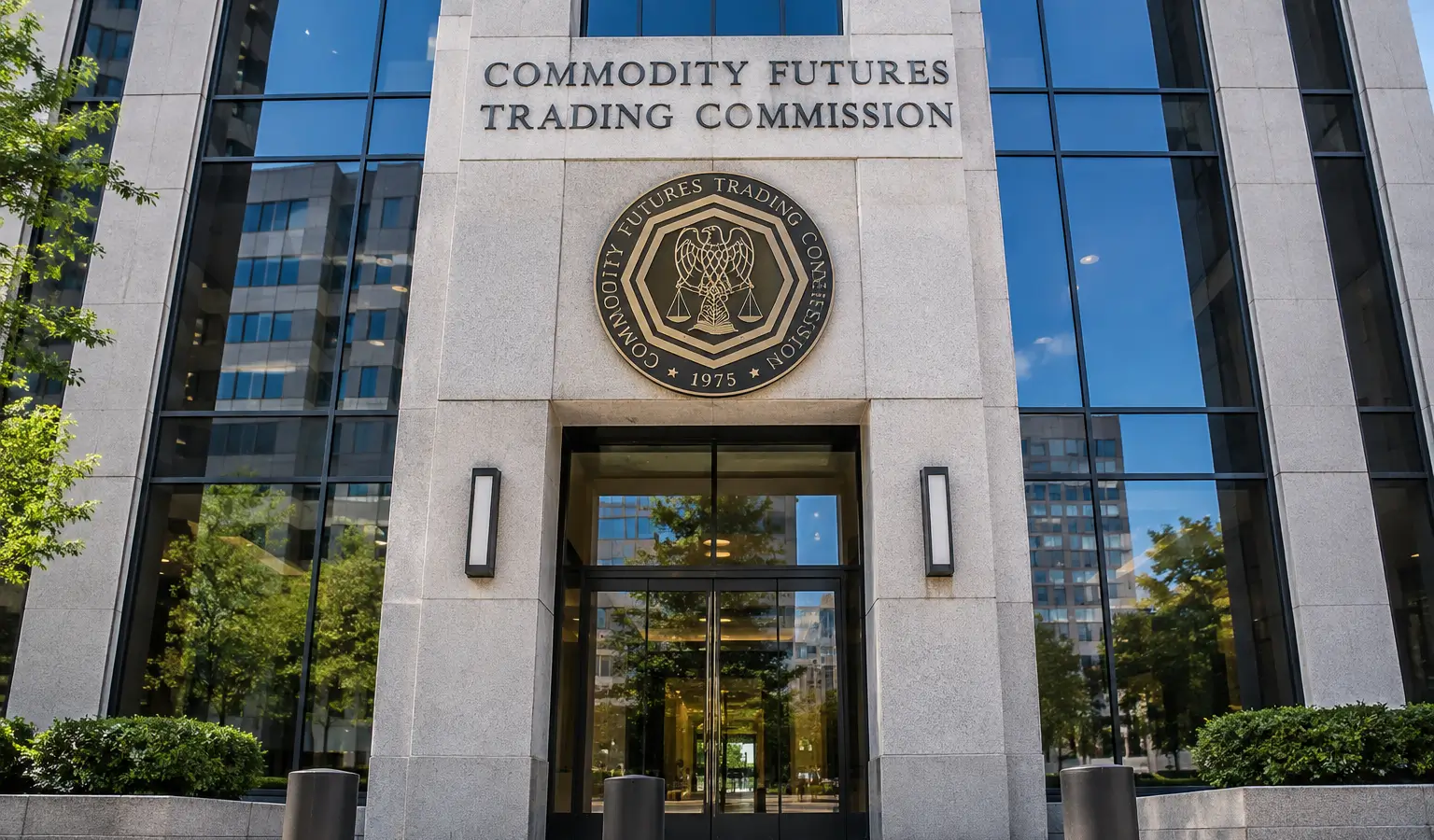
Kalshi is a prediction market overseen by the Commodity Futures Trading Commission, or CFTC. Users buy contracts on real-world events, with each contract paying $1 (€0.89) if the event happens. That means a 1% chance costs about 1 cent.
The case fits into a broader debate about trading with possible inside information on these kinds of platforms. In February 2026, the CFTC stressed in guidance that it still has the authority to tackle insider trading and fraud in prediction markets. Kalshi has also faced scrutiny before, including after a settlement in August 2025 with Gabriel Perez, a former White House teleprompter operator. The regulator has also warned that mention markets are especially vulnerable to manipulation.
Why This Matters
For European crypto readers, this matters mainly because prediction markets are increasingly being watched alongside crypto platforms as a new way to speculate on real-world events. If regulators take a harder look at trading based on nonpublic information, that could affect how these markets are used and regulated. It also shows that the line between crypto-like trading products and traditional oversight questions is getting thinner.