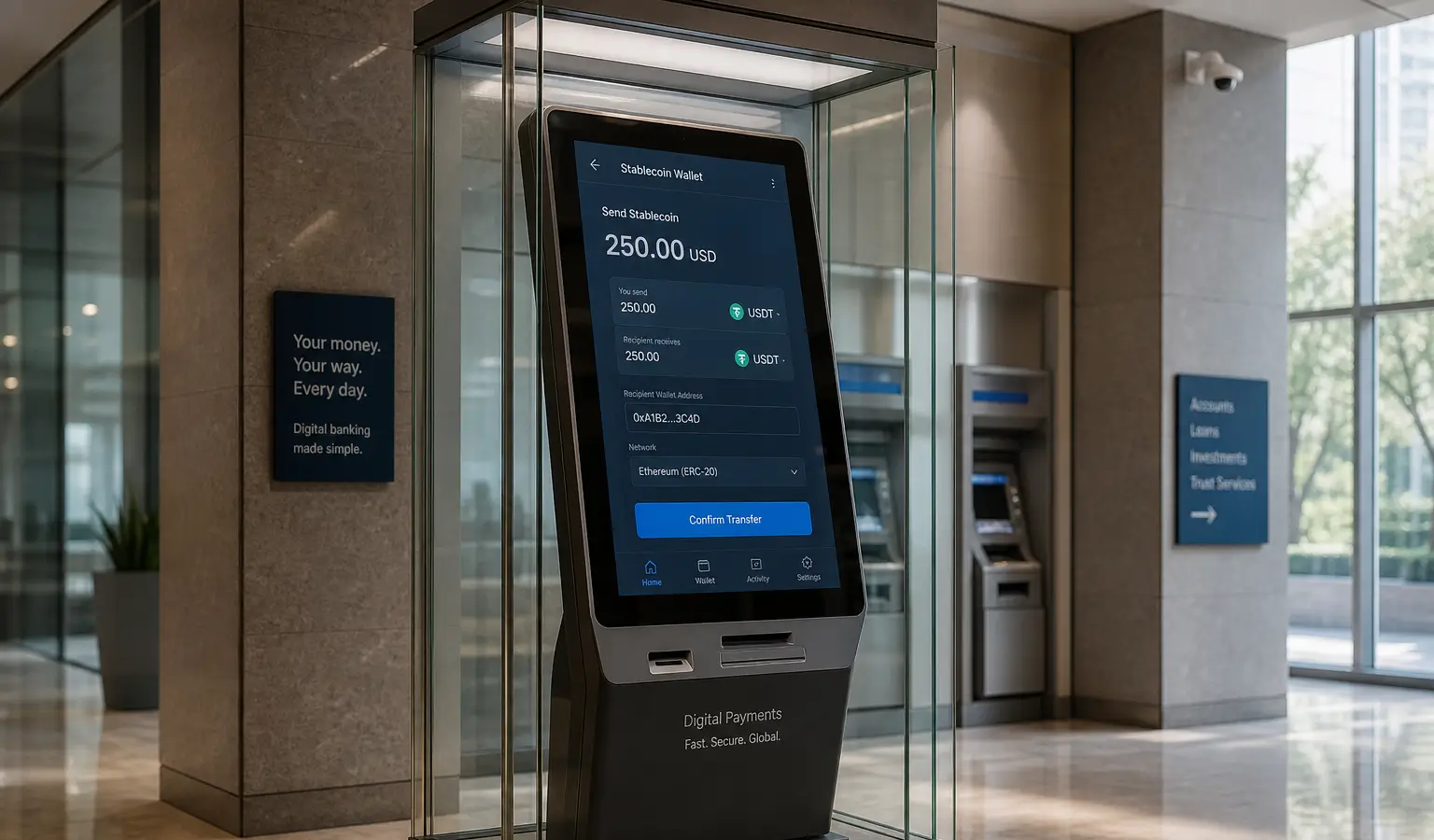
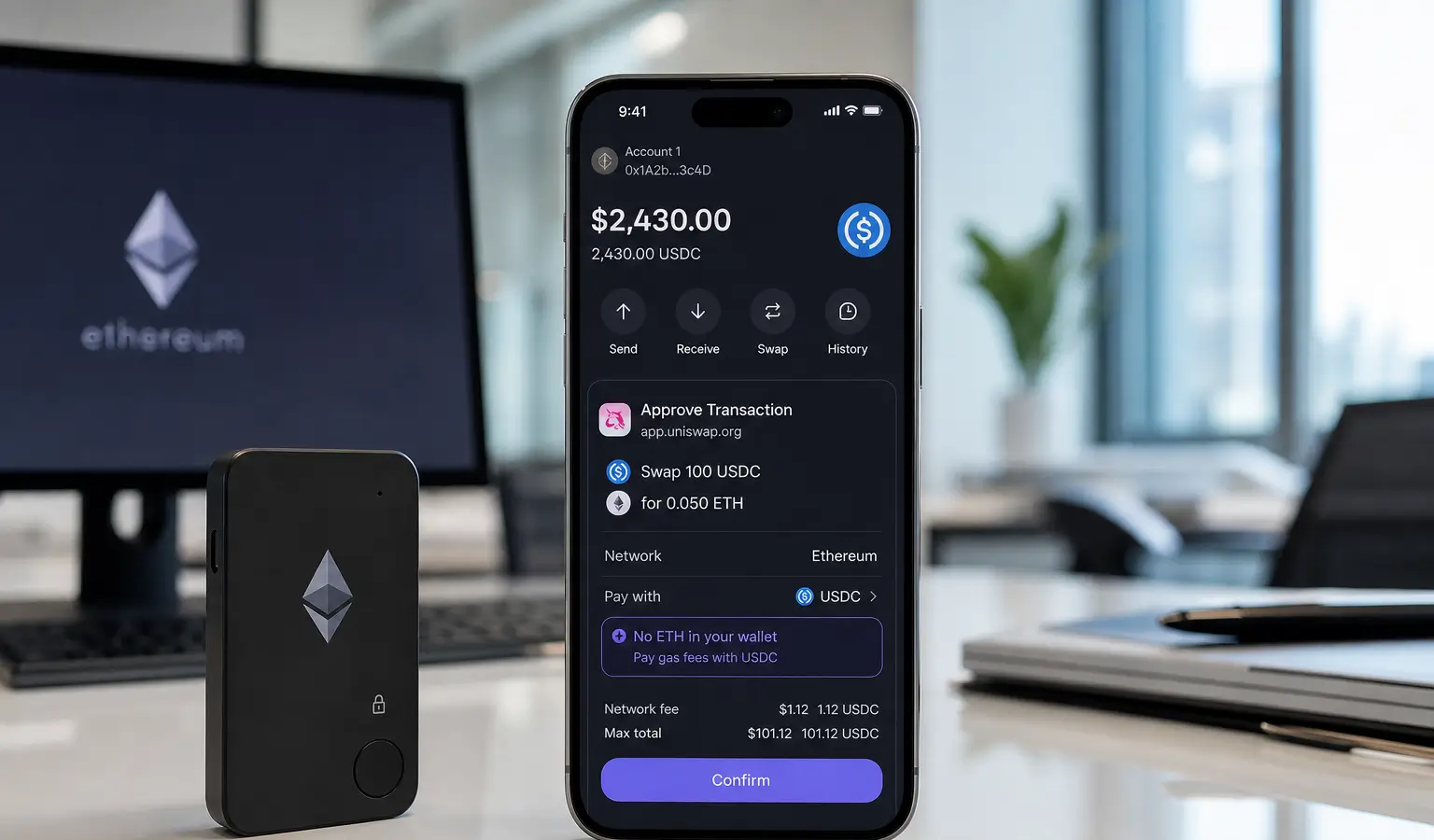
Circle Acquires Tazapay to Strengthen USDC in Asia
Tazapay already handles a lot of stablecoin traffic and gives Circle an extra payment rail in Asia-Pacific. The acquisition still needs approval from the Monetary Authority of Singapore.
Key Takeaways
- Circle is acquiring Singapore-based payment platform Tazapay to strengthen USDC’s position in cross-border business payments.
- Tazapay processes more than $25 billion a year, works with more than 60 partners, and has payout rails in more than 100 markets.
- The acquisition still needs approval from the Monetary Authority of Singapore and is expected to close in 2027.
Circle has agreed to acquire Singapore-based payment platform Tazapay. The company processes more than $25 billion (€21.5 billion) in transactions each year and is expected to give USDC a stronger role in cross-border business payments. The financial terms were not disclosed, and it is still unclear how big the practical impact on USDC’s position will ultimately be.
Tazapay as a Payment Rail
Tazapay works with more than 60 banking and fintech partners and has local payout rails in more than 100 markets. According to the announcement, that should help Circle route payments to and from Asia-Pacific and emerging markets more efficiently. That matters because traditional banking infrastructure is often slow and fragmented there.
What stands out is that about 60% of Tazapay’s transaction volume already runs through stablecoins. Since 2025, Tazapay has also been a design partner for the Circle Payments Network, the system Circle uses to connect banks and fintechs for USDC settlement. Circle says Tazapay customers should not expect any disruption to services, APIs, pricing, or support.
License in Singapore
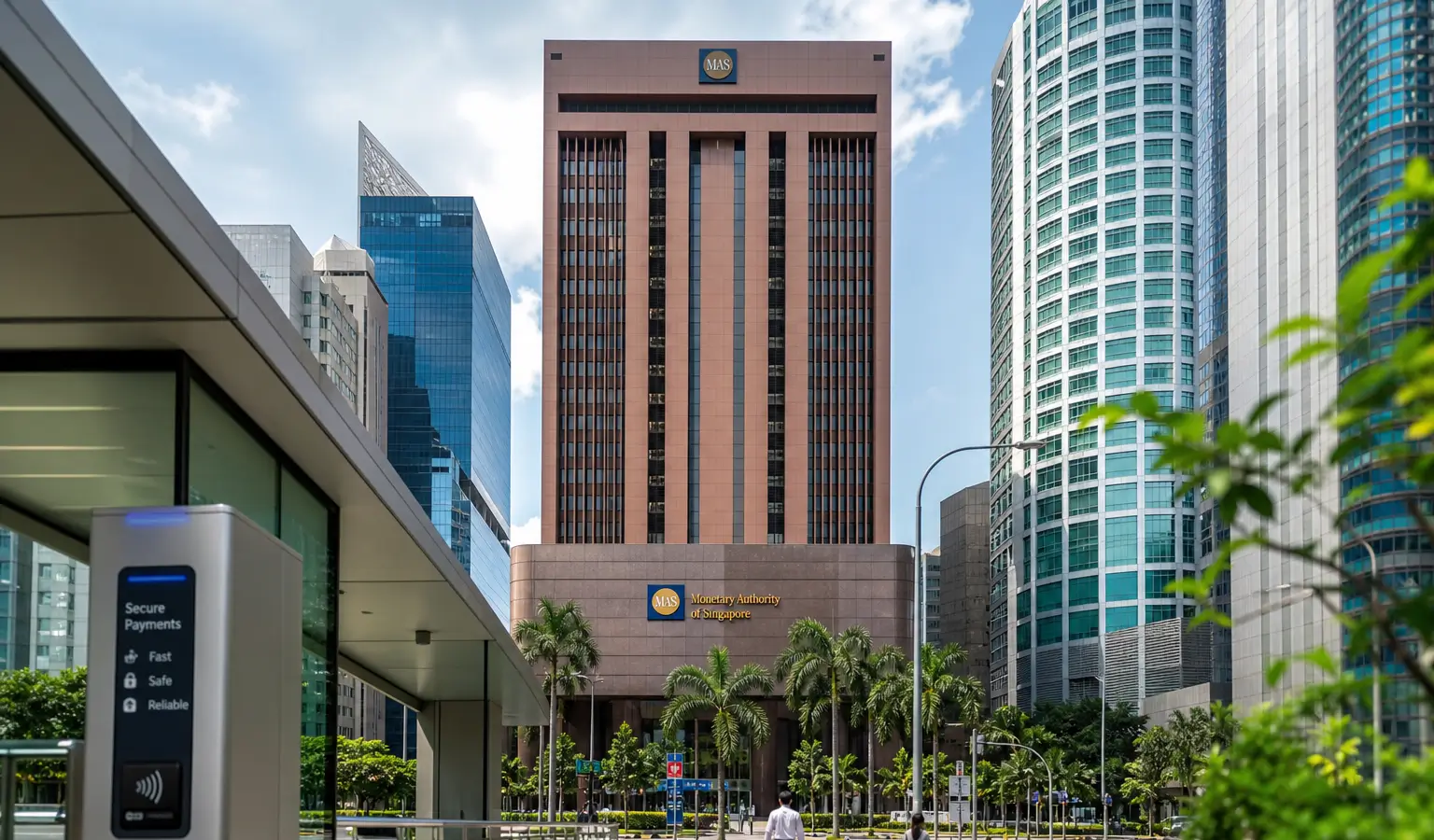
The deal was announced on Tuesday and still needs approval from the Monetary Authority of Singapore. Circle expects the transaction to close in 2027, subject to the usual closing conditions. The regulator plays a central role because Singapore is an important hub for payments and crypto activity in the region.
Singapore’s role lines up with Circle’s broader presence in Asia. The company received a Major Payment Institution License there in June 2023, which allows it to offer digital payment token services and cross-border and domestic money transfers. For Circle, Tazapay fits into an existing regional strategy rather than being a standalone move.
What This Means for USDC
For European crypto readers, the big takeaway is that stablecoins are increasingly being used as practical payment infrastructure, not just as a trading tool on crypto exchanges. If Circle can process more business payments through Tazapay, that could make USDC more visible in international trade and treasury operations. At the same time, it remains unclear how quickly companies will actually use that infrastructure at scale.
That fits into a broader trend where major financial players are taking stablecoin rails more seriously for payments and settlement. Banks and payment companies are also working on their own applications around a joint stablecoin venture, which shows the market is moving further toward institutional use.