Clarity Act Aims to Set U.S. Crypto Rules
Thanedar wants the Senate to quickly bring clarity to oversight between the SEC and CFTC. The bill also includes rules for DeFi and is meant to keep trading and innovation in the U.S. from being pushed offshore.
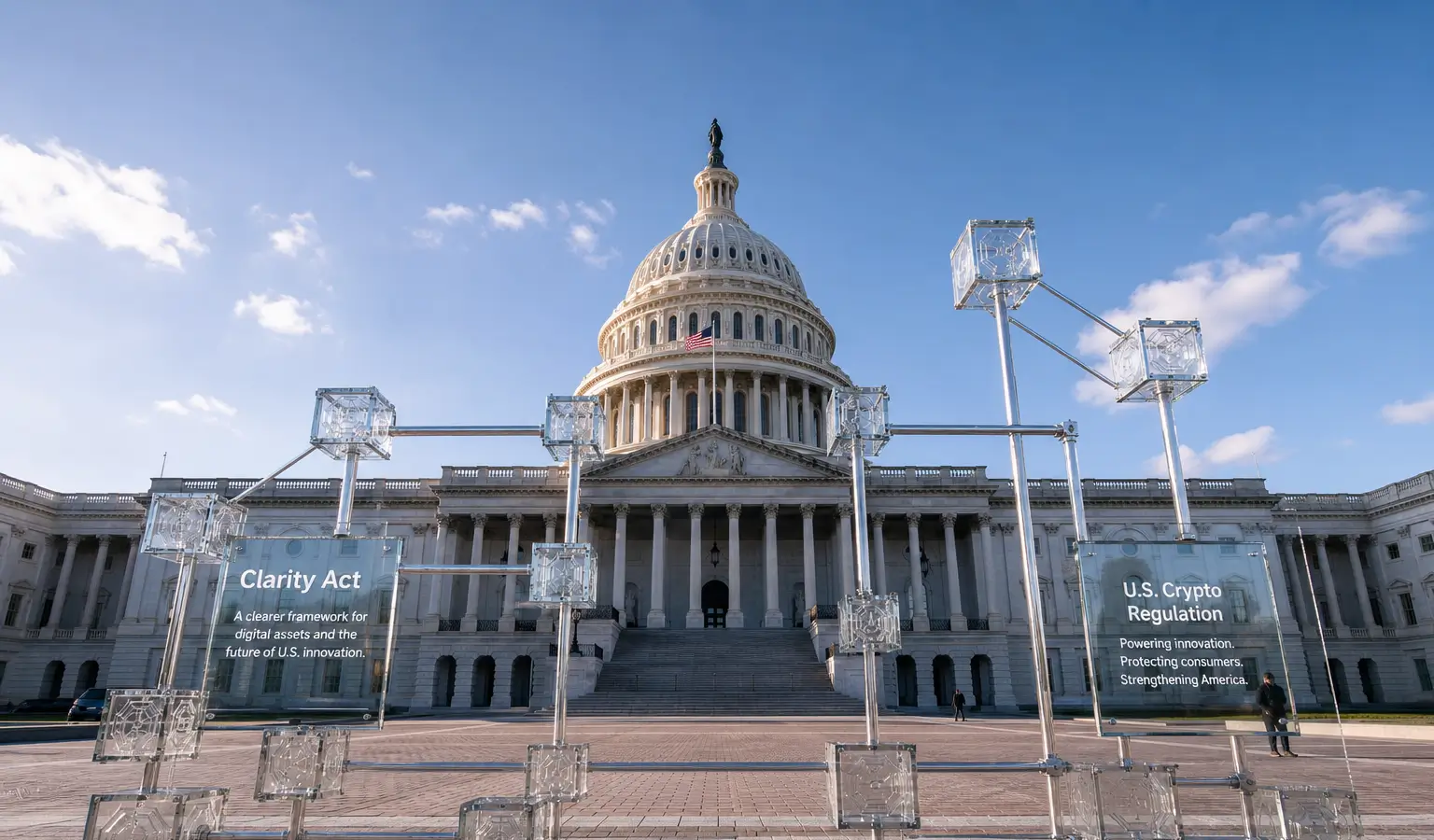
Key Takeaways
- Rep. Shri Thanedar wants the Senate to quickly take up the Clarity Act to establish clear U.S. crypto rules.
- According to him, uncertainty is slowing innovation and a lot of crypto trading is still moving to offshore markets.
- The bill is meant to clarify oversight between the SEC and CFTC and better anchor consumer protection, enforcement, and innovation.
Rep. Shri Thanedar is urging the U.S. Senate to move quickly on the Clarity Act. According to him, the crypto sector in the U.S. urgently needs clear rules, because the current uncertainty is slowing innovation and a lot of trading is still taking place offshore.
Why the Bill Matters Now
Thanedar ties the debate to broader problems in the financial system. In his district in Detroit, he says a quarter of residents are unbanked or underbanked, which shows that many Americans still have poor access to traditional financial services. He points to blockchain as a technology that can bring more competition and new solutions.
According to him, the Clarity Act should create a transparent, pro-innovation framework for digital assets. If at least 60 senators agree, the bill could move to debate and amendments in the Senate next week. The House of Representatives already approved a version of the bill earlier by a vote of 294 to 134.
Fight Over Oversight
One major issue in the debate is how oversight is split between the SEC and the CFTC. The bill is supposed to reduce that uncertainty while also better anchoring consumer protection and enforcement. That matters now that the CFTC has lost a quarter of its staff since Donald Trump took office, according to Thanedar, making a Congress-written framework even more important.
The bill has already gone through several changes. Those included ethical rules for possible conflicts of interest involving public officials and specific rules for DeFi protocols. The text also gained bipartisan support after the Senate Banking Committee approved the bill in May 2026 and the House had already backed a similar version in July 2025.
What It Means for Crypto Companies
For European crypto followers, this debate shows how big the gap still is between markets with clear rules and markets where regulators and politicians are still looking for a steady line. If the U.S. sets a clearer framework, that could matter for crypto companies that now have to decide where to base their products, staff, and trading. Thanedar says the bill can give the sector more stable rules that last longer than the current political cycle.