U.S. House Takes First Step on Crypto Tax Bill
The Digital Asset Tax Certainty Act is meant to bring clarity to staking, mining, wash sales, and small transactions. The committee will discuss the proposal on Wednesday, but legislation this year looks unlikely.
Key Takeaways
- A committee in the U.S. House published a 114-page bill on new crypto tax rules.
- The proposal removes taxes on small transaction fees under $10, with an exception for users with more than 5,000 transfers per year.
- The markup is set for Wednesday, but because of the recess and the elections, it is unlikely the proposal will become law this year.
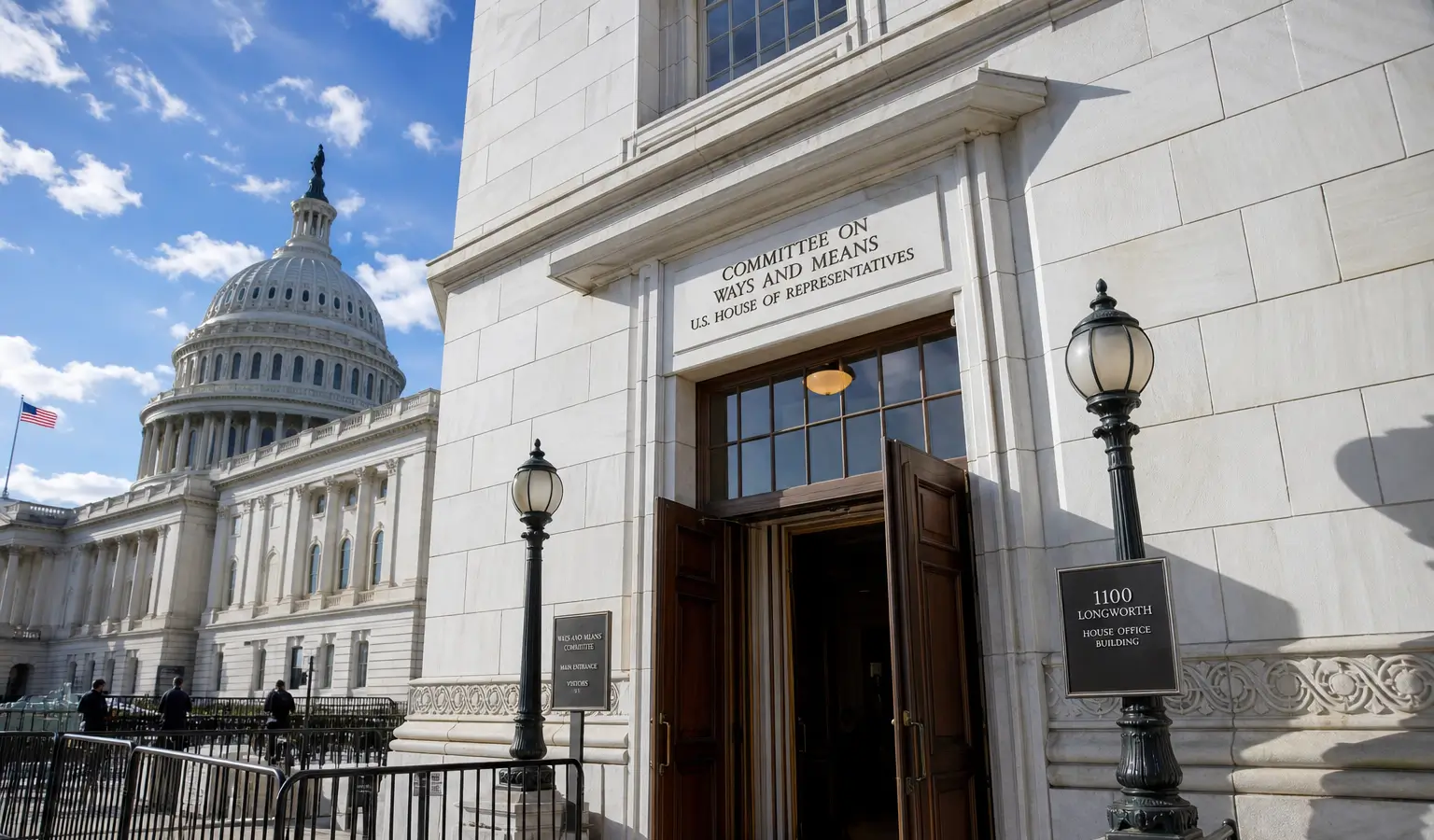
A committee in the U.S. House of Representatives is taking an important step toward new crypto tax rules this week. The House Ways and Means Committee released a 114-page bill late Monday, which will be discussed Wednesday in a markup hearing and could be sent forward for further consideration.
What the Bill Covers
The proposal is called the Digital Asset Tax Certainty Act and touches on several areas the industry has wanted clarity on for a while. It covers de minimis transactions, gain and loss reporting, transfers, wash sale rules, mining, staking, and broker requirements.
One notable part is that small network or transaction fees under $10 (€8.66) would no longer be taxed. There is an exception for anyone who made more than 5,000 transfers in the previous year. Under current rules, users also have to report capital gains or losses on digital asset transactions, even for small amounts.
The text also includes a lot of provisions around tokenized assets and tries to make it clearer how ownership should be handled when digital assets are disposed of. The Treasury secretary and the IRS are being tasked with drafting and publishing new rules where needed.
Political Timing in Washington
With this move, the committee is following earlier efforts by Representatives Steven Horsford and Max Miller, who already introduced several versions of crypto tax legislation over the past year. The current version could be the first serious move on crypto taxes in the U.S. Congress, although it is unlikely the proposal will become law this year.
That mainly has to do with the political calendar. The House of Representatives is going into recess later this week until after the November elections, which leaves little time for debate and a vote. If progress does happen in 2026, it could carry the work into 2027 when the new Congress takes over.
Why This Matters
For European crypto watchers, this matters mainly because the U.S. still plays a huge role in how crypto tax rules are discussed worldwide. A clearer framework for staking, mining, and small payments could also help shape the debate over how digital assets should be taxed. The broader wave of legislation in Washington also shows that crypto taxes are no longer a side issue, but are increasingly becoming part of mainstream policy. The broader debate over tokenized assets and blockchain registration also shows how lawmakers and regulators are trying to fit digital ownership into existing rules more cleanly.